In brief
- Pigmentation spots are caused by an overproduction of melanin, especially through UV radiation; hormones and skin irritation can also contribute.
- Winter is considered a favourable time for peels, microneedling and lasers, as the skin needs protection from UV radiation afterwards.
- Depending on the type of pigmentation, lasers, chemical peels, microneedling or diamond abrasion may be considered for treatment.
- After treatment, recovery, mild care and light sun protection, even in winter, are recommended.
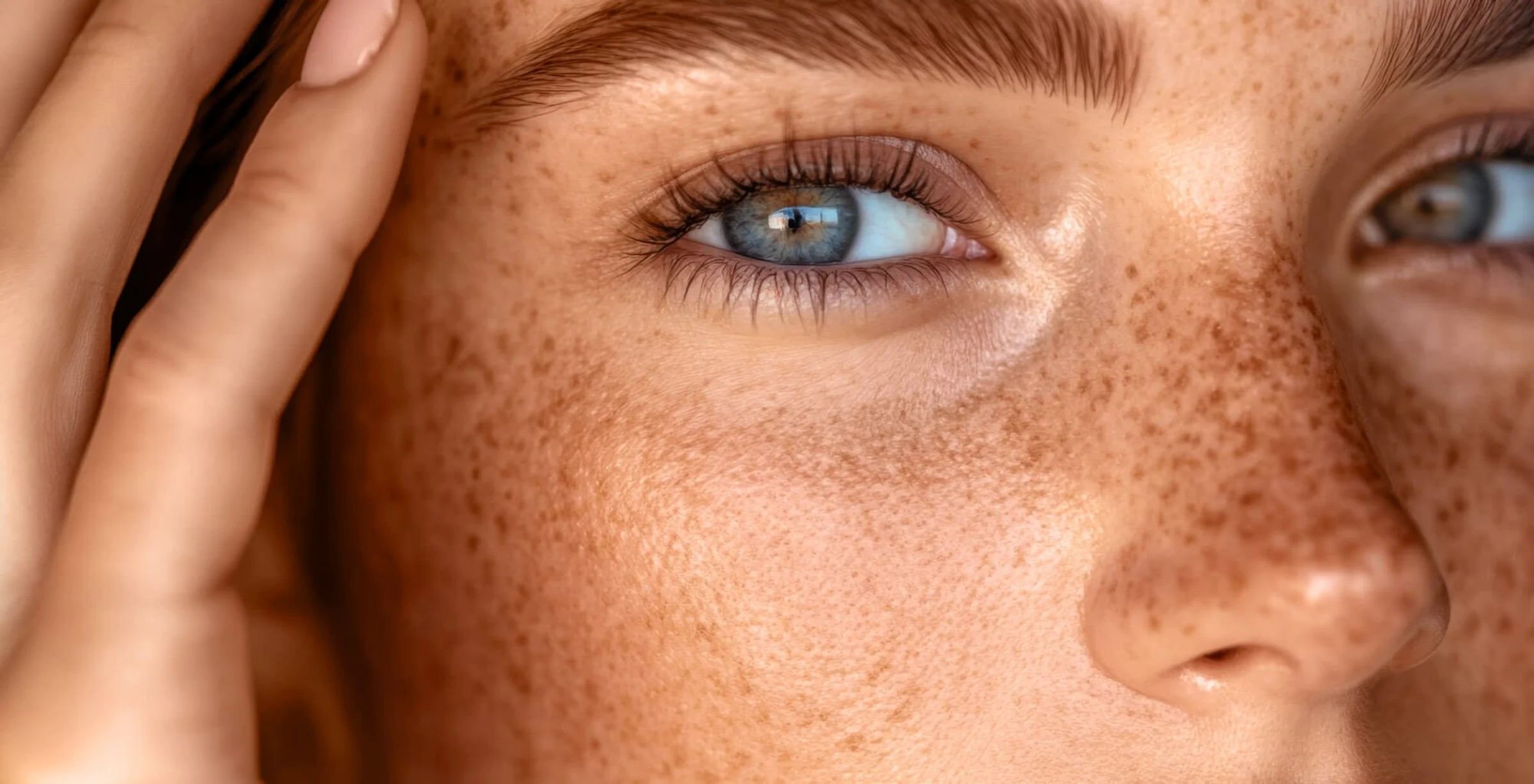
Summer is over, and with it the long days full of sunlight. What remains are often visible traces: new freckles, dark patches on the cheeks or small shadowy areas on the forehead and décolletage. Many people know this phenomenon and now wonder how to get rid of such pigmentation spots.
The winter months practically invite you to do something good for your skin and gently correct the traces of summer. And who wouldn’t want to start the holidays with a fresher complexion?
How do pigmentation spots develop?
Pigmentation spots appear due to an overproduction of melanin, the pigment of our skin. UV radiation in particular causes melanin formation to become irregular.
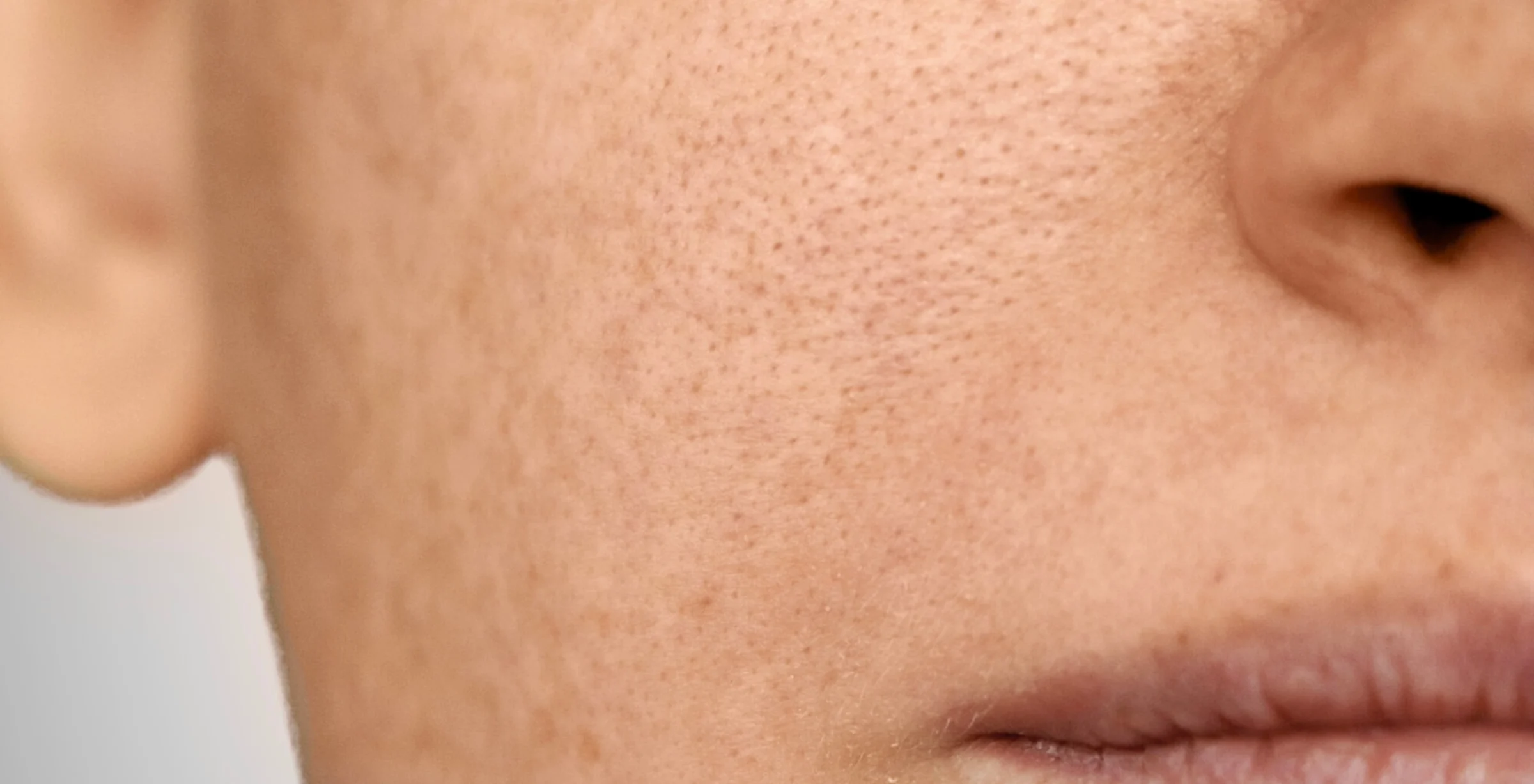
This is how classic freckles, more intense sun spots or even deeper pigmentation arise, which hardly fade without support. Hormones, genetic factors or skin irritation can reinforce these effects further.
Why winter is ideal for treatment
To get rid of pigmentation spots, winter is perfectly suited, as many skin renewal treatments, including:
- peels,
- microneedling therapies
- and laser treatments
make the skin sensitive to sunlight. In other words, after a treatment the skin needs rest and protection from UV radiation, and the dark winter days offer the best conditions for this. The skin can regenerate without being stressed again by sunlight.
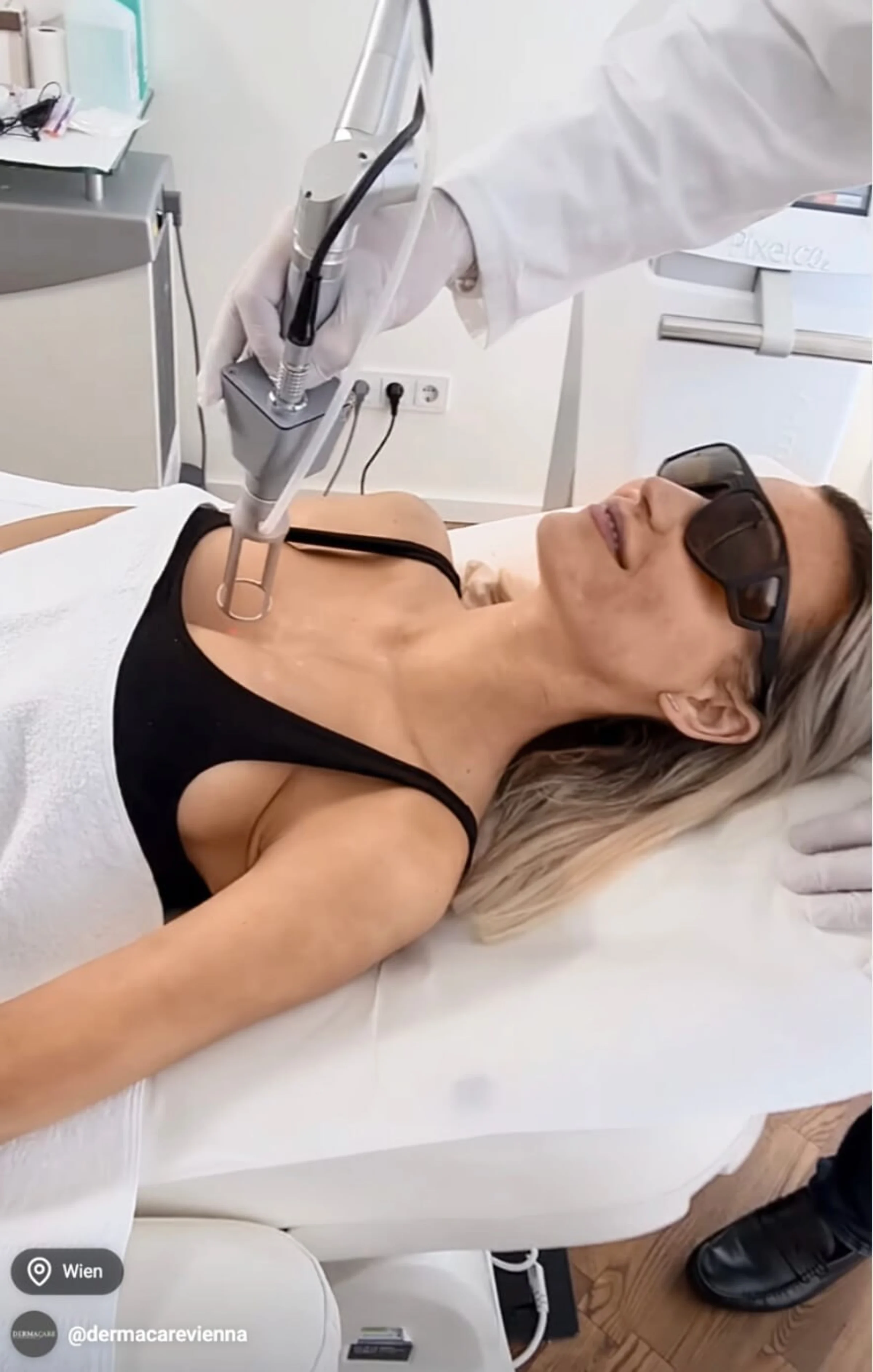
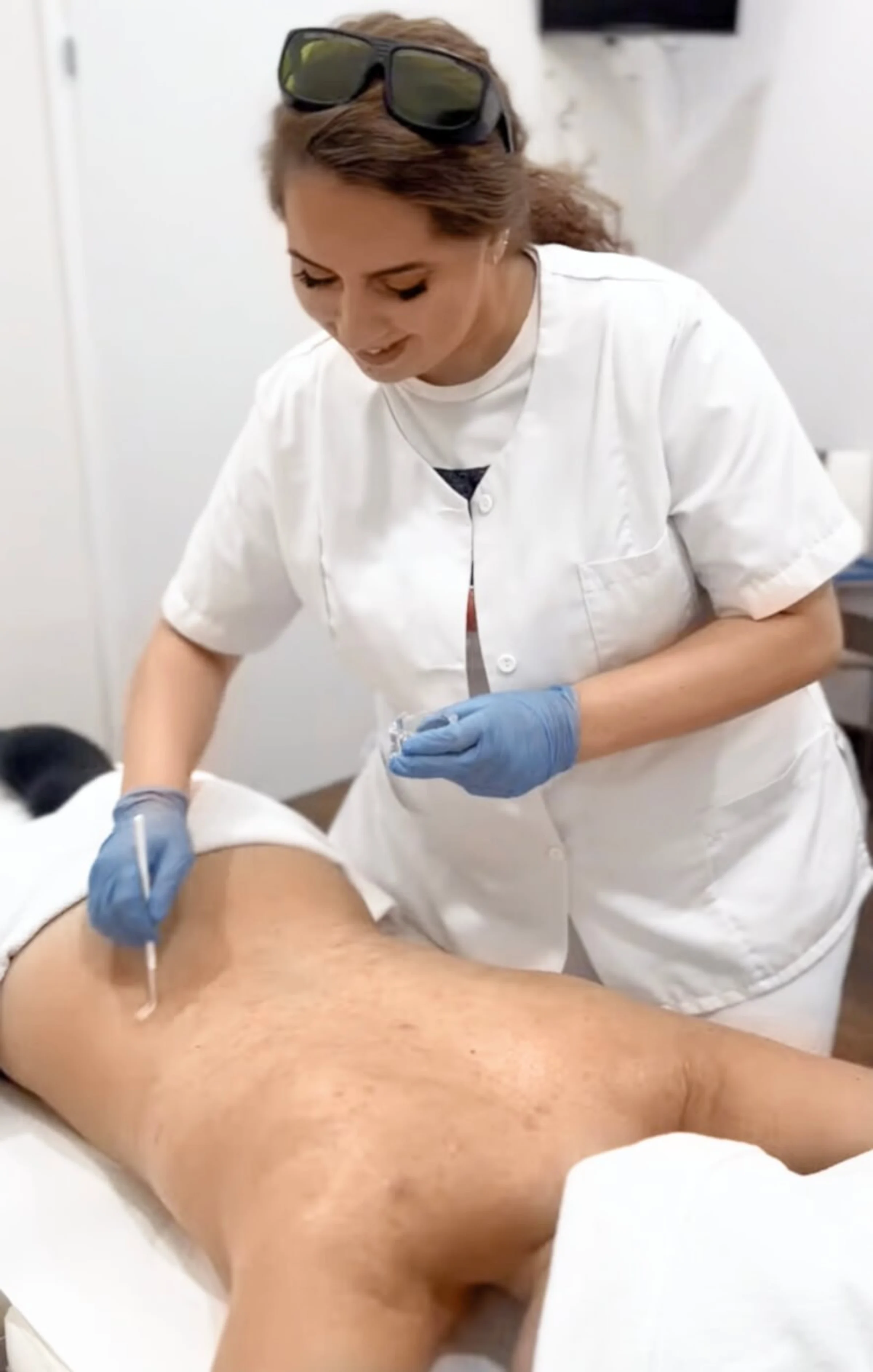
Dermacare treatments for pigmentation spots
Winter is therefore the perfect time to prepare the skin for the festive season and the start of the new year.
Getting rid of pigmentation spots with laser
Laser treatment is one of the most effective methods against pigmentation spots. With state-of-the-art technology, as we use at Dermacare Vienna, accumulations of pigment in the skin are broken up in a targeted way. The surrounding tissue remains untouched.
The dissolved pigments are carried away by the body’s immune system. At the same time, the skin is stimulated to form fresh tissue. Many patients see a clear improvement after the first treatment.
Laser treatment is particularly suitable for age spots, sun spots and stubborn pigmentation that cannot be lightened sufficiently with creams or home remedies.
Chemical peels – gentle renewal for an even complexion
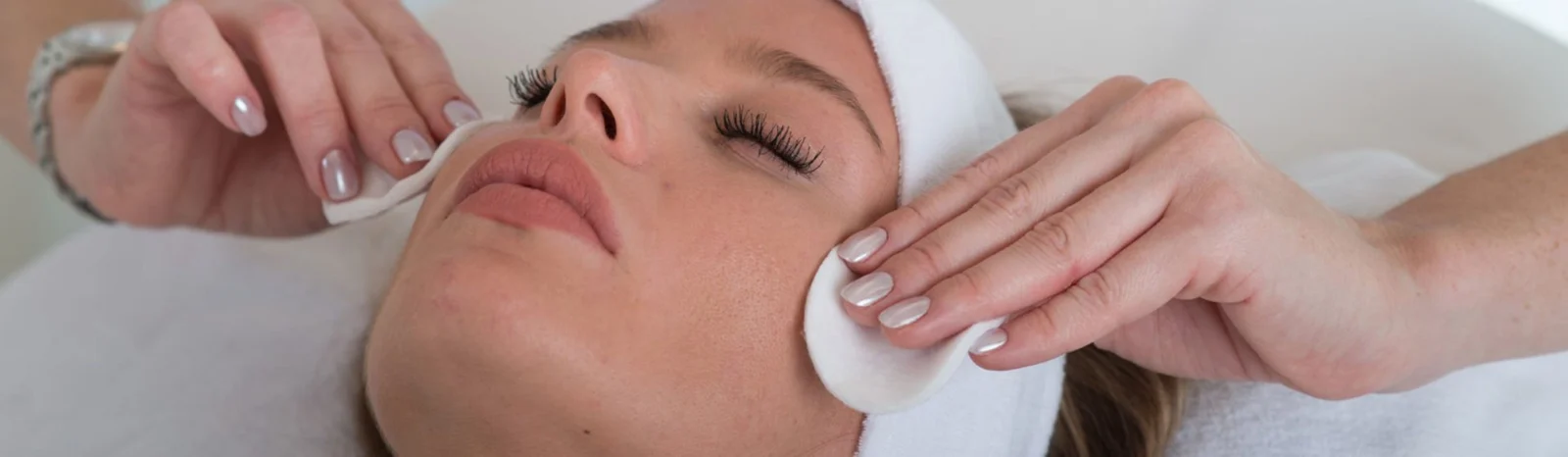
A chemical peel can be a very good alternative to laser if the pigmentation is rather superficial or if you prefer a non-invasive method. Fruit or lactic acids dissolve the top layer of skin in a controlled way.
Depending on the intensity, from superficial to deep, mild to more pronounced discolouration can be reduced. Your skin looks more even, fresher and finer. At Dermacare, it is always determined in advance which peel is suitable for your skin type and which pre- and aftercare is necessary to achieve optimal results.
Microneedling – breaking down pigmentation disorders
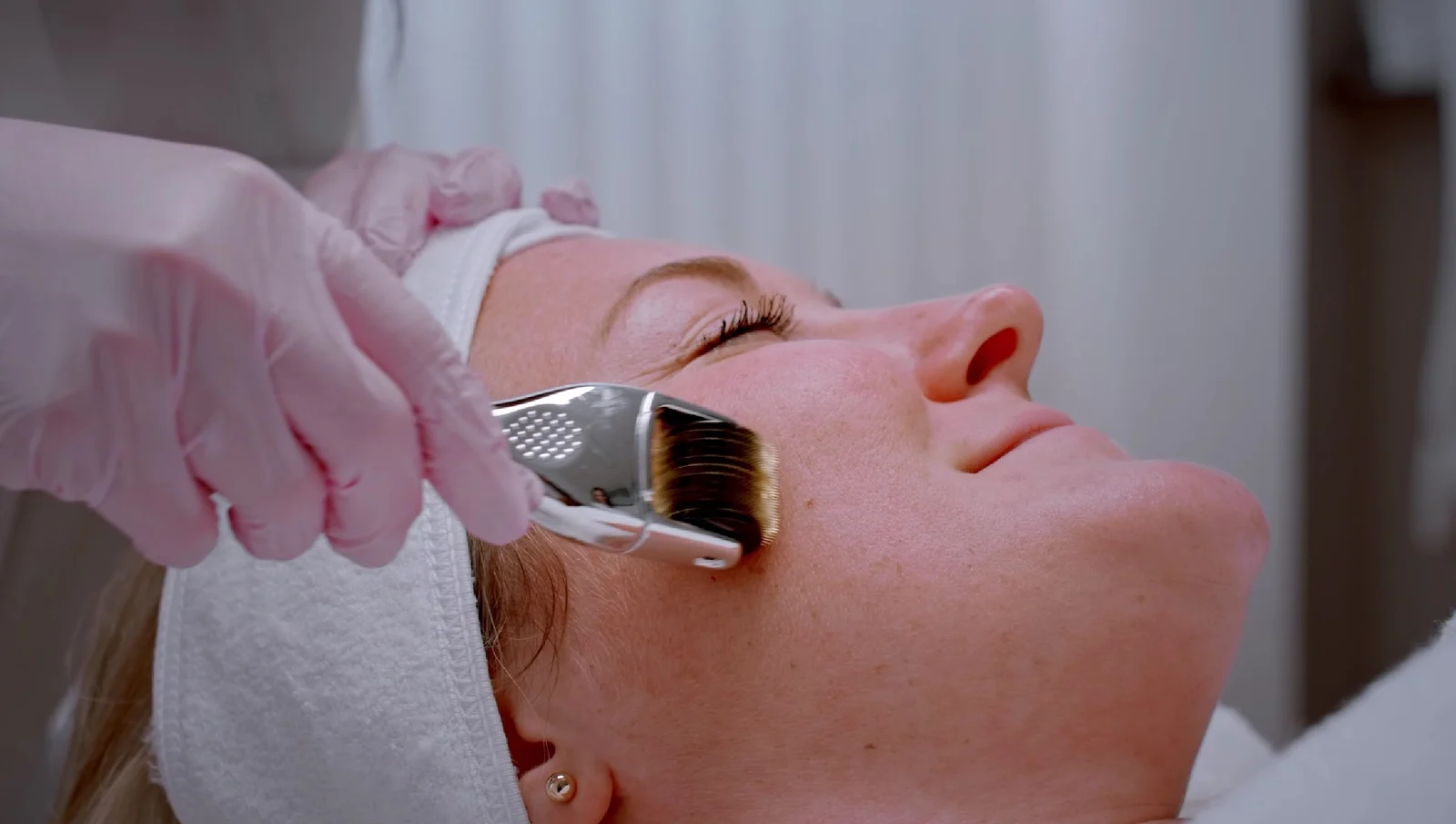
Microneedling uses ultra-fine needles to create microscopically small stimuli in the skin. This effect stimulates collagen production and at the same time supports the breakdown of pigmentation disorders. The method is particularly helpful for pigmentation left behind after inflammation, such as with acne scars.
Combined with medical active ingredients that reach deep into the skin during microneedling, the treatment can work even more efficiently.
Diamond abrasion – mechanical peel with an instant effect
Diamond abrasion is a mechanical form of peeling in which the top layer of skin is removed with fine crystals. The method is excellent for superficial pigmentation and an overall finer complexion.
It is often combined with a gentler peel to achieve a particularly even result.
Aftercare – especially in winter
In winter, too, the skin needs time to recover after a treatment. Although UV exposure is lower, light sun protection is still recommended, especially on sunny winter days or with snow reflection.
Mild care products and plenty of moisture support healing and ensure that your skin stays fresh, radiant and even after laser, peel or microneedling. This keeps the result visible in the long term without putting unnecessary strain on your skin.
Conclusion: winter as a chance for skin renewal
If you want to get rid of pigmentation spots, whether freckles, sun spots or deeper discolouration, now is the optimal time. Winter offers ideal conditions for safe and effective treatment.
At Dermacare Vienna, experienced dermatologists and medical professionals guide you through the entire process: from the professional skin analysis to the suitable treatment method and the right aftercare. The result is one that stays with you in the long term: clearer, fresher and more radiant skin.
For more information, feel free to ask us – we look forward to seeing you.
Frequently asked questions
The fruit acid peel has antibacterial, sebum-regulating and regenerating effects. It loosens old layers of dead skin, supports the healing of inflammation and provides a smoother, more even complexion – without irritating the skin unnecessarily.