

In brief
- In winter, the skin barrier loses lipids and moisture and becomes more sensitive as a result, which can trigger itching.
- Scratching usually brings only short-term relief and further weakens the skin barrier.
- Cooling, gentle fragrance-free care, short lukewarm showers and a balanced indoor climate can help.
- If the itching lasts longer or keeps coming back, the cause should be assessed professionally.
Suddenly it’s there. That unpleasant prickling sensation on the skin. It feels tight and dry and starts to itch – sometimes only slightly, sometimes so intensely that you would love to give in to the relief of scratching straight away. Itchy skin is a common issue, especially in January. Many people are unsettled by it, because their skin was unremarkable for months and now seems to react without warning.
Winter presents our skin with particular challenges. Cold temperatures outside, dry, heated air indoors, frequent showering and less moisture upset the delicate balance of the skin. But what helps with itchy skin, and why does the skin suddenly react so sensitively?
Itchy skin in winter – a warning signal from the skin
Itching is not a disease but a signal. The skin is pointing out that something has been thrown out of balance. In winter in particular, the natural skin barrier suffers. It loses lipids and moisture, becomes more permeable and reacts more sensitively to external influences.
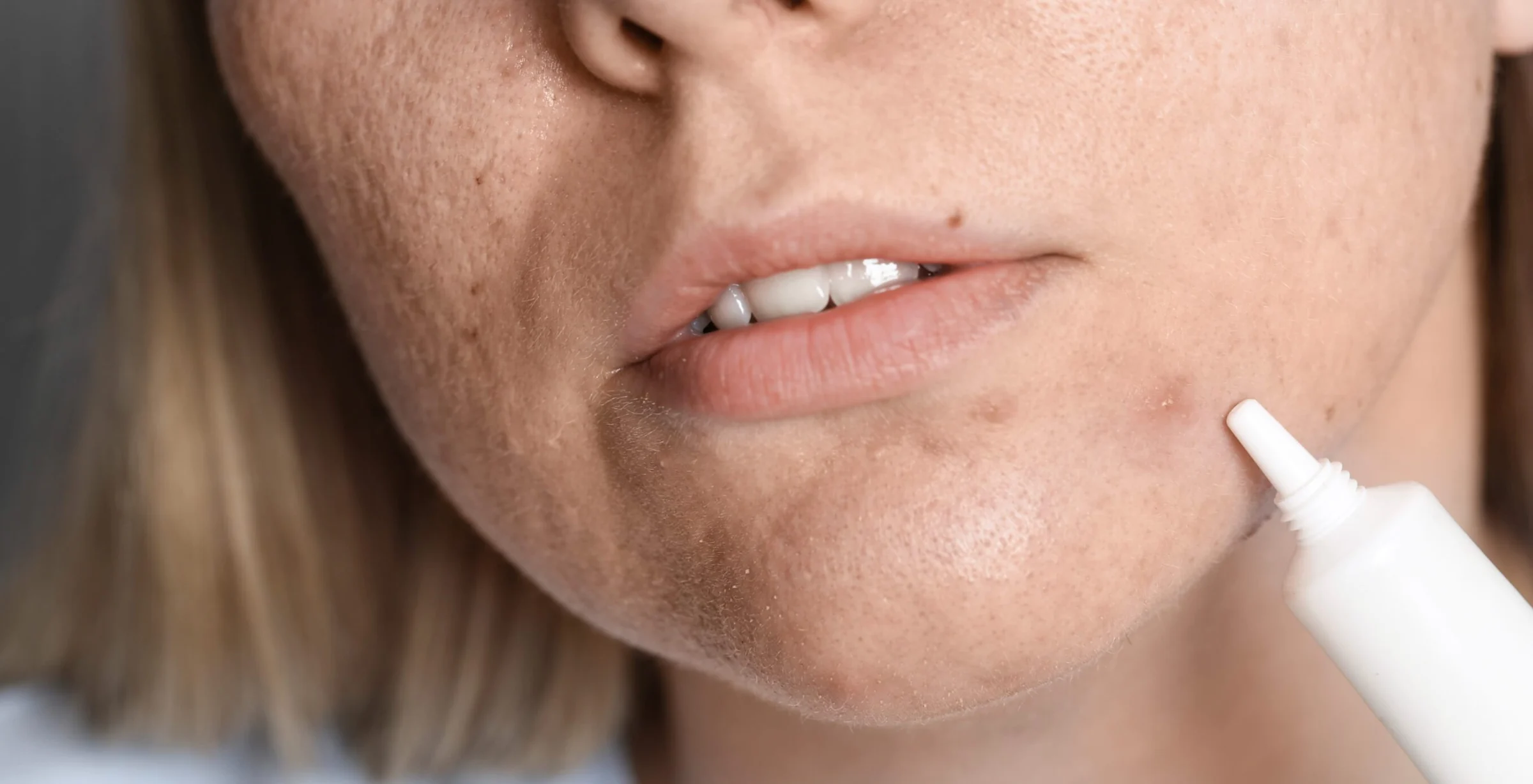
The result is often itchy skin in winter, even without visible skin changes. Typical accompanying symptoms are a feeling of tightness, flaking or a burning sensation after moisturising. Legs, arms, back and face are particularly affected. Many people also report that the itching gets worse in the evening or at night – just when the skin should be settling down.
Why scratching is not a solution
As understandable as the impulse is: scratching usually brings only short-term relief. In the long run it makes the situation worse. The skin becomes further irritated, small injuries occur and the skin barrier is weakened even more. A cycle of itching and scratching develops that makes the skin ever more sensitive.
That is precisely why it is important not to ignore itchy skin, but to soothe it in a targeted way and stabilise the skin again.
What helps with itchy skin?
With acute itching, most people want one thing above all: quick relief. There are simple measures you can take straight away at home that help your skin get back into balance.
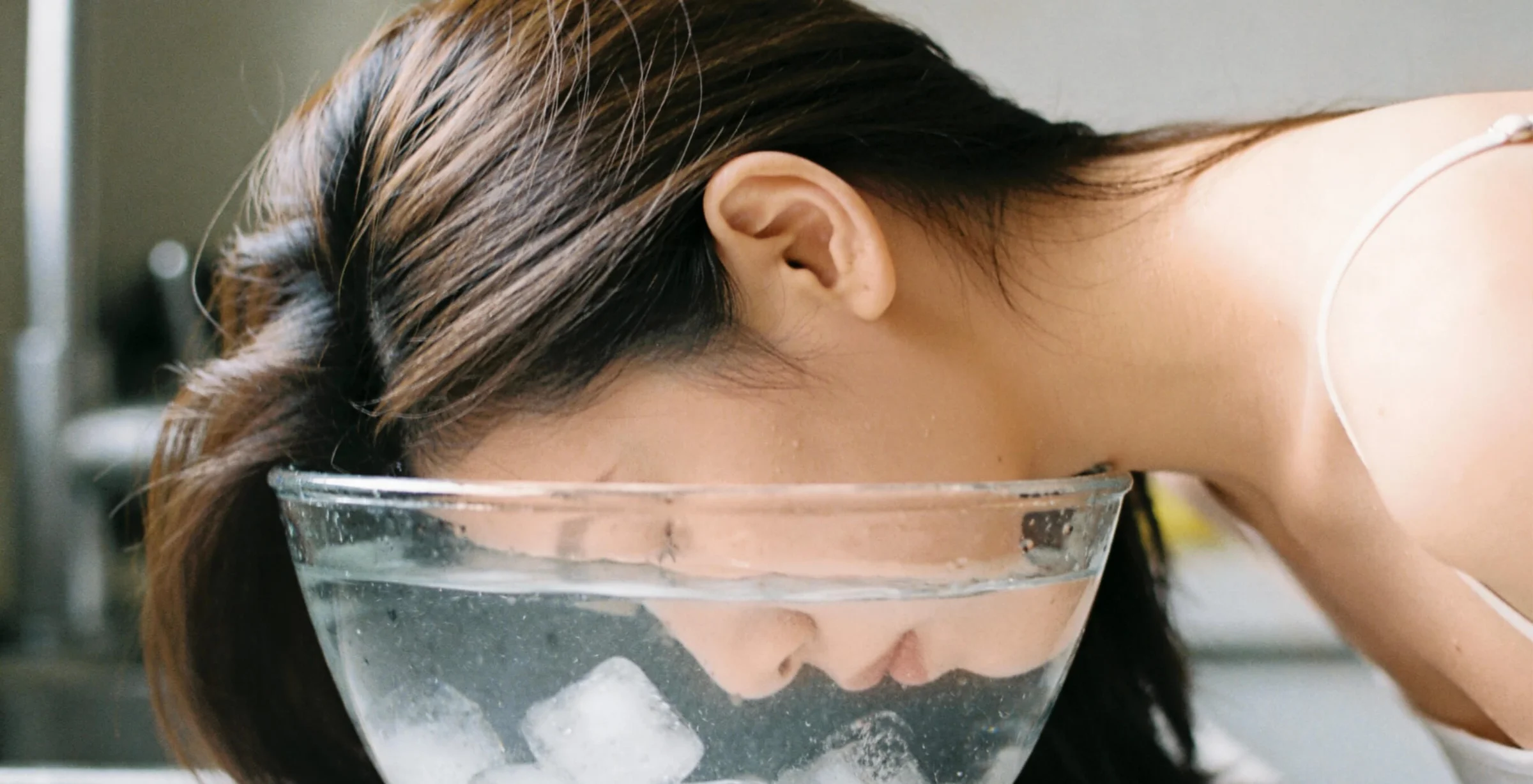
1. Instant relief: cooling
Cooling compresses or gentle cold stimuli can calm irritated nerve fibres and noticeably relieve the itching. It is important always to wrap cooling pads or ice in a cloth to protect the skin from cold damage. The cold signals to the nerves that the stimulus is easing, and can thus specifically interrupt the itch cycle.
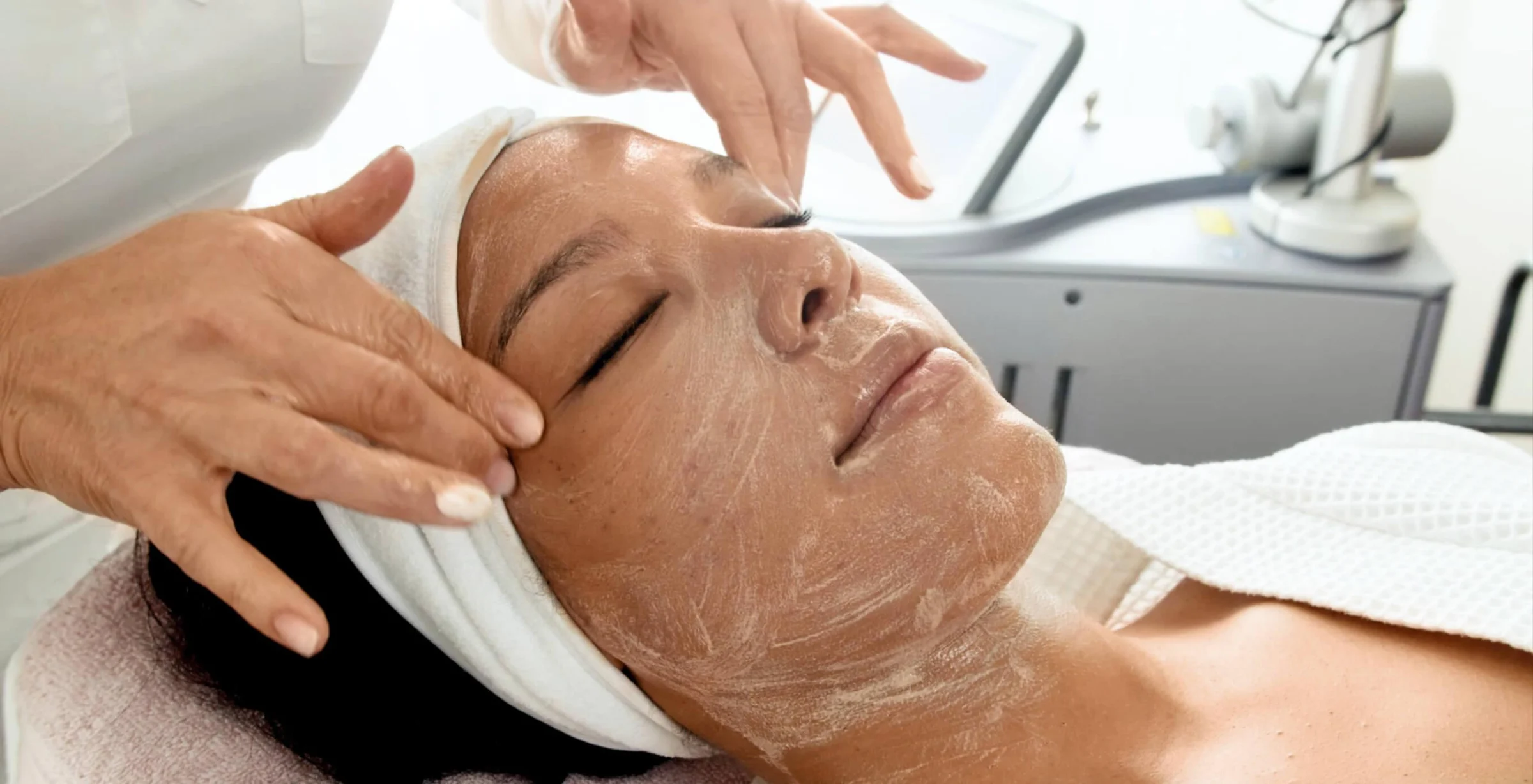
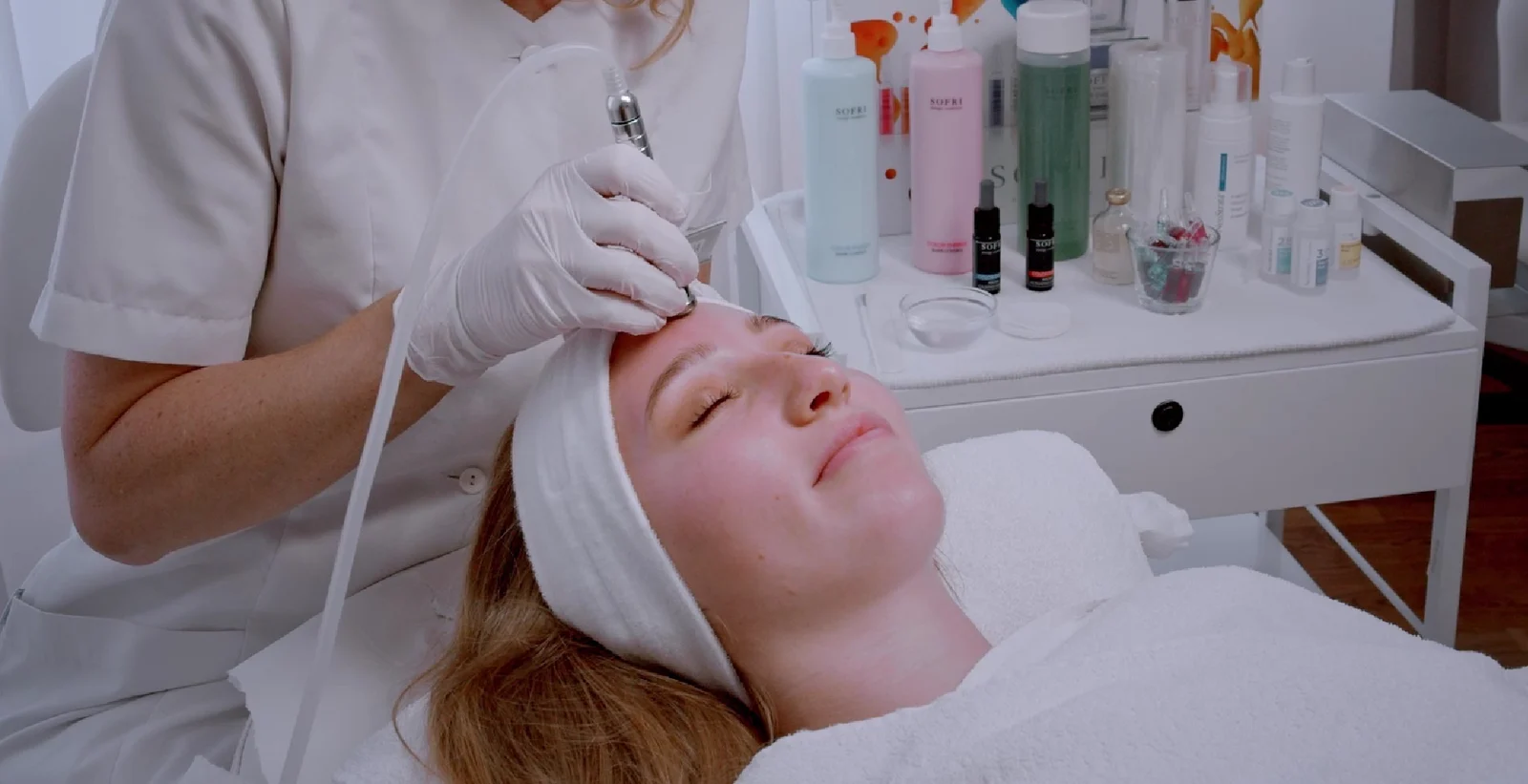
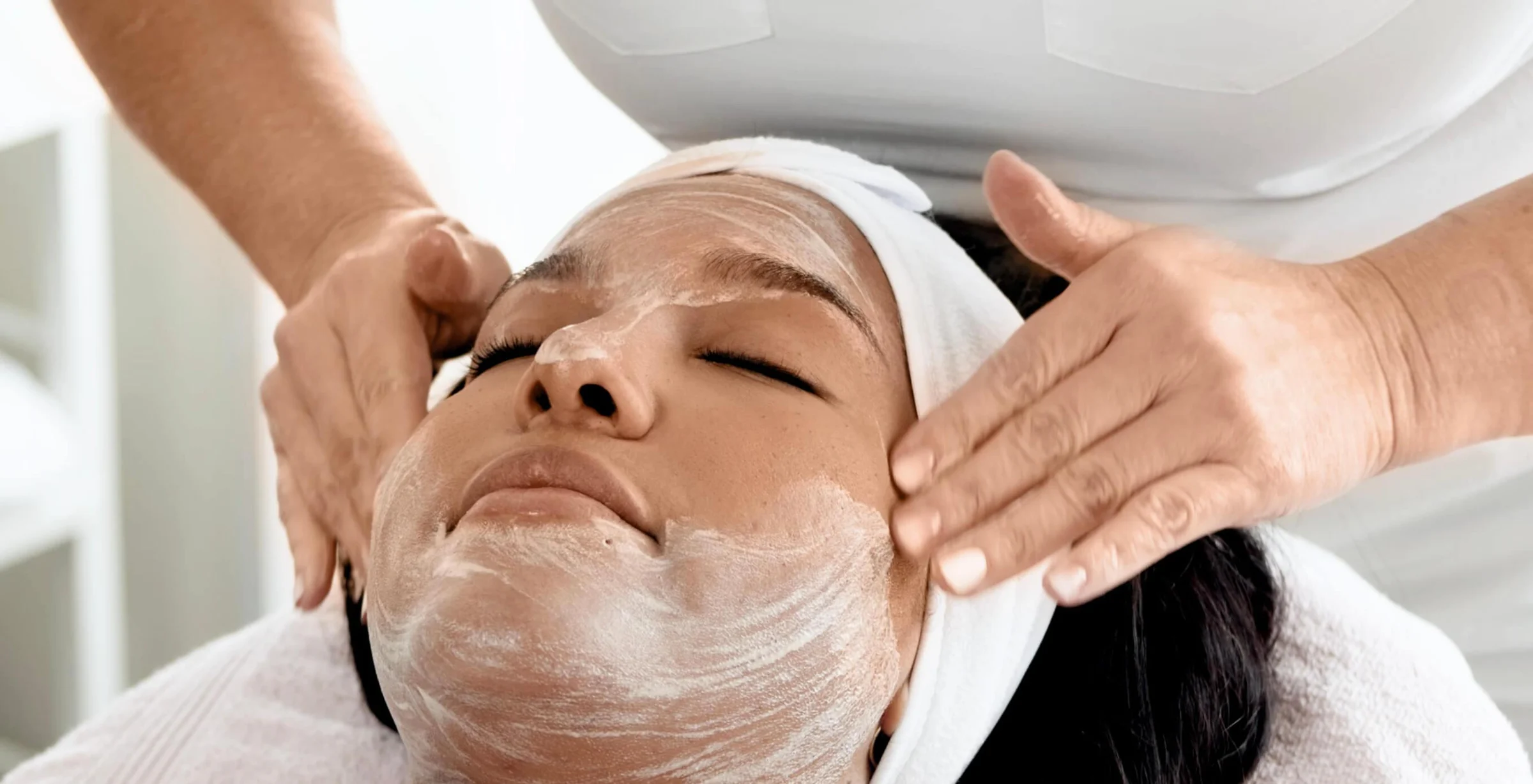
Relaxing and nourishing facial treatments at Dermacare
2. Gentle skincare
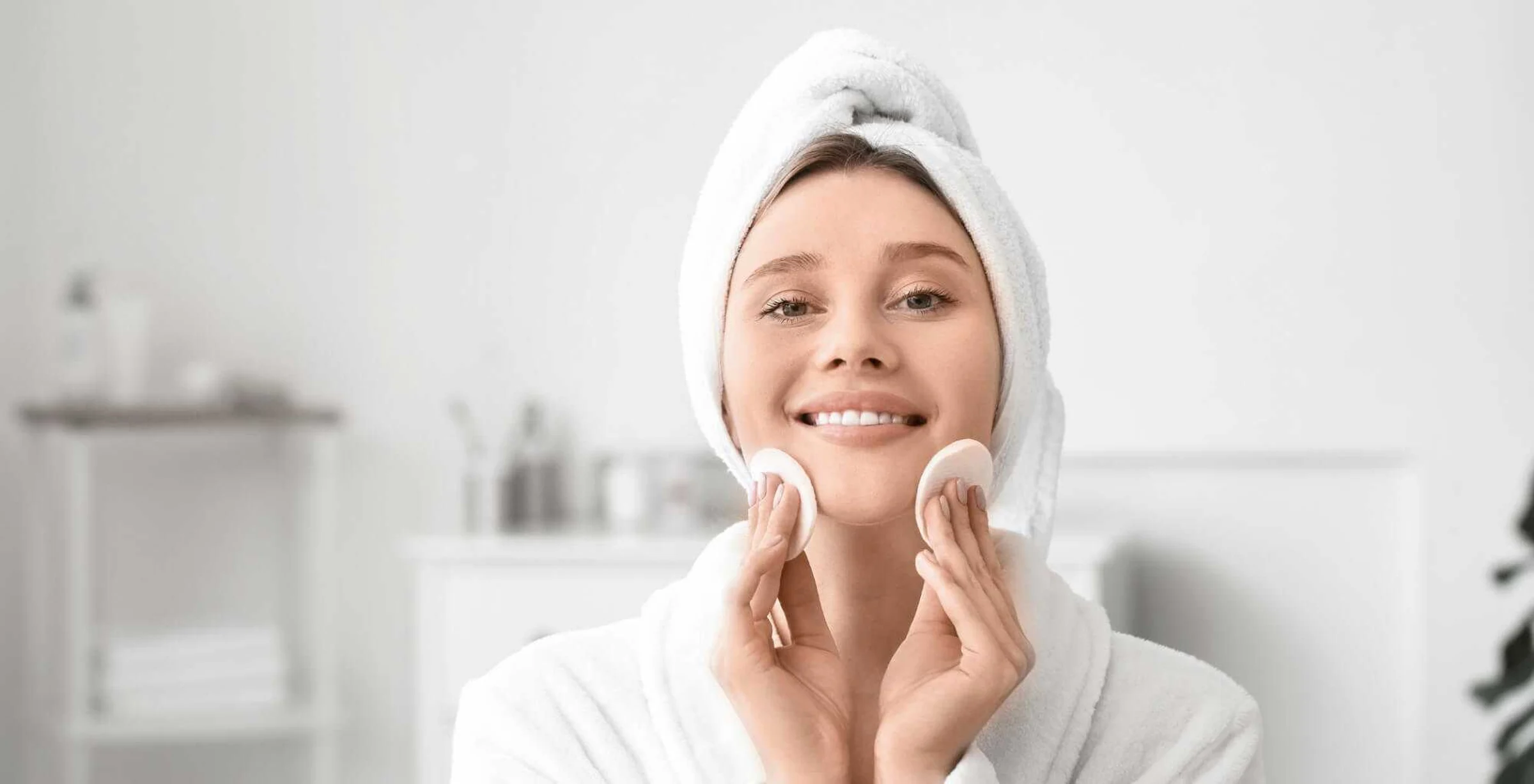
Gentle skincare is essential to soothe itchy skin in the long term. After showering or washing, the skin should only be gently patted dry and not rubbed. Rich, fragrance-free care products support the skin barrier and help retain moisture in the skin.
Aggressive ingredients or washing too often should be avoided, as they dry out the skin and make the itching worse. An intact skin barrier protects the skin from external irritants and ensures a more balanced skin feel.

3. Optimal indoor climate
Dry heated air draws moisture from the skin and is a common trigger of itching, especially in the winter months. A balanced indoor climate can be achieved through regular ventilation, the use of humidifiers and mindful heating.
A sufficiently humid environment relieves the skin, reduces the feeling of tightness and helps the skin feel more comfortable overall.
4. Gentle everyday habits
- Clothing made of soft cotton, not too tight-fitting.
- Reduce stress, as it can make itching worse.
- Prefer short, lukewarm showers so as not to dry out the skin further.
With these simple measures, itchy skin can often be calmed considerably, but if it keeps coming back or is very severe, it is worth having the cause assessed professionally.
Home remedies for itchy skin – gentle support
Many people also turn to tried-and-tested home remedies that soothe the skin further:
- Aloe vera: Stored cool, it provides moisture, soothes the skin and relieves itching.
- Black tea compresses: The tannins can reduce inflammation and relax the skin.
- Replenishing oils: For example almond or jojoba oil – they relieve the feeling of tightness in dry skin.
- Important: Home remedies support skincare but do not replace targeted, individually tailored care or professional advice.
When itchy skin doesn’t go away on its own
Not all itchy skin is caused solely by winter. If the itching lasts longer, keeps coming back or affects larger areas of skin, another cause may be behind it. Stress, hormonal changes or a permanently weakened skin barrier often play a role here.
Stress in particular affects the skin more than many people suspect. It influences the skin barrier, promotes dryness and can make itching worse. It is all the more important not to look at the skin in isolation, but to understand it holistically.
When should you have your skin looked at by a doctor?
If itchy skin does not improve despite care, if it keeps coming back or if you feel that your skin is permanently out of balance, a professional assessment can make sense.
At Dermacare Vienna, the focus is not on a quick fix but on the aim of calming and strengthening your skin sustainably. An individual skin analysis helps to identify the causes and to find a care and treatment path that brings your skin back into balance in the long term.
Because healthy, soft skin is no coincidence – it begins with the right understanding and professional support.
Frequently asked questions
At the specialist centre of Dermacare Vienna, experienced dermatologists offer specialised acne therapies. In addition to classic dermatological treatment, modern laser and device-based procedures are used. The combination of medical diagnostics and targeted aesthetic treatments enables lasting improvements in acne and rosacea.
You can get a comprehensive skin analysis at Dermacare Vienna at our beauty institute in Vienna. Before every aesthetic treatment, your skin is analysed in a structured way to determine your skin type, moisture status, pigmentation and individual needs precisely. This results in a tailor-made treatment plan.
Aquafacial and HydraFacial essentially describe the same treatment concept of water-based deep cleansing. The difference usually lies in the device designation or the manufacturer's name. At Dermacare, the Aquafacial is combined with individually tailored active ingredients, modern technology and optional additional treatments to achieve maximum results for your skin.
The cost of an Aquafacial in Vienna depends on the chosen treatment variant and the intensity of the deep cleansing. At Dermacare, an Aquafacial costs roughly between €190 and €700, depending on the type of treatment. The exact price depends on whether the deep cleansing is carried out on its own or in combination with fruit acid, microneedling or radiofrequency.