


In brief
- Ingrown hairs occur when hairs do not grow out of the skin after hair removal but curl back and penetrate it.
- Causes include hair removal techniques, curly hair, clogged hair follicles and friction from tight clothing.
- Regular exfoliation, the right shaving technique and moisturiser reduce the risk.
- If there is inflammation or an abscess, medical advice is advisable; Dermacare offers laser hair removal and electrolysis.
Dermacare experts share tips for preventing ingrown hairs
Ingrown hairs are a common and often annoying problem that affects many people. Especially after shaving or other hair removal methods, hairs can fail to grow out of the skin properly and instead curl up and penetrate the skin. This leads to inflammation, redness and sometimes painful pustules. Particularly in sensitive areas such as the bikini area, the legs or the face, ingrown hairs can become a recurring nuisance. But why do they occur in the first place, and what can you do about them?
Have you ever wondered why some people get ingrown hairs more often than others? Read on to understand the causes and discover helpful tips for preventing them.
What are ingrown hairs?
Ingrown hairs occur when, after shaving or other hair removal methods, hairs do not grow out of the skin properly but curl back and penetrate the skin. This happens particularly often in areas that are frequently shaved, epilated or waxed. People with curly or coarse hair are especially susceptible, as this hair structure is more prone to bending and growing under the skin.
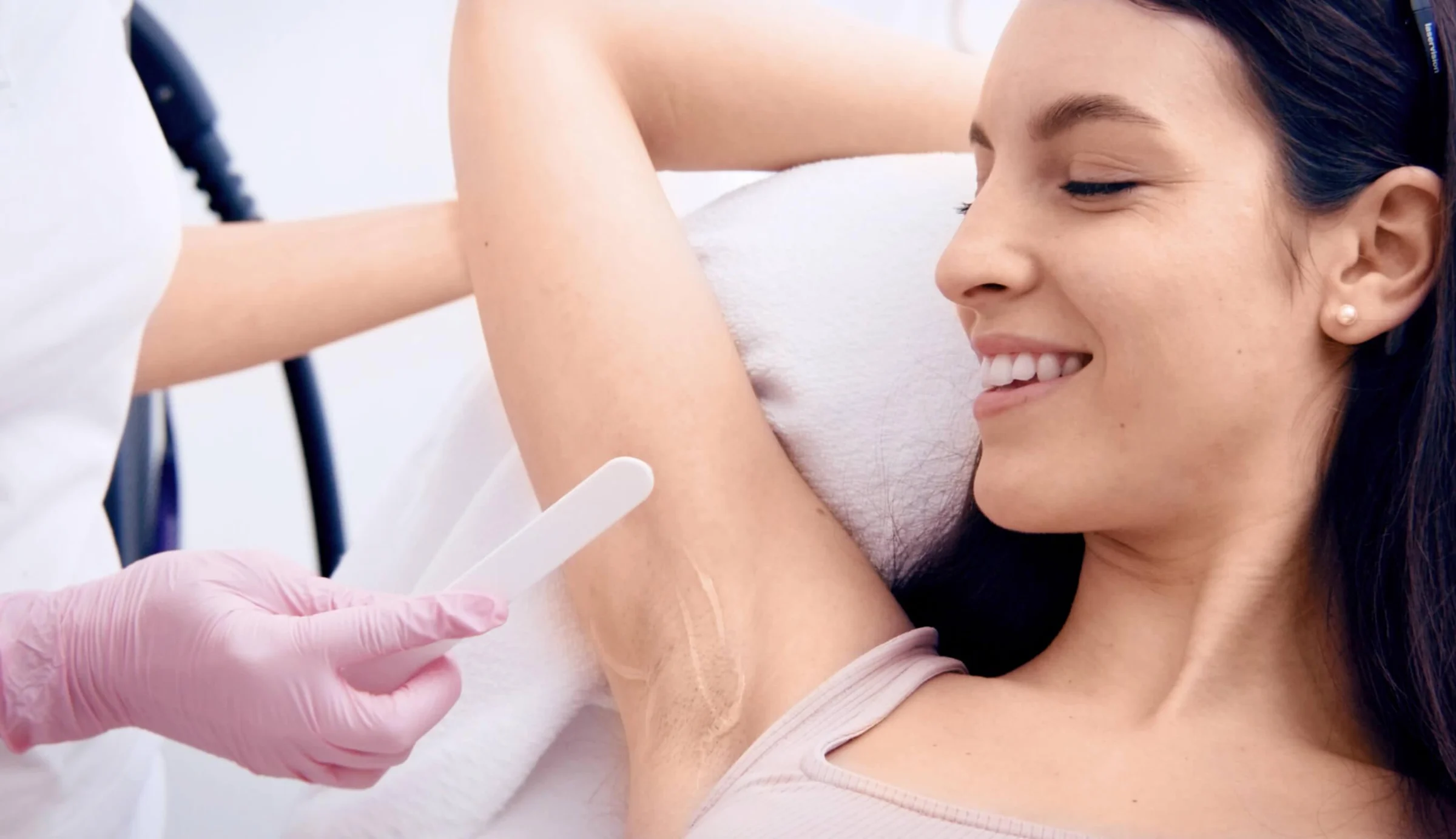
A characteristic sign of ingrown hairs is small red bumps or pustules, which sometimes become inflamed and painful. In more severe cases, an infection can even occur. Areas such as the legs, armpits, the bikini area and, for men, the beard area are particularly affected.
Causes of ingrown hairs
There are various causes for the development of ingrown hairs. The most common factors include:
- Hair removal techniques: Shaving, waxing or epilation can cut the hair in such a way that it easily grows under the skin. When shaving, for example, the hair is sometimes cut sharply, which can cause it to grow in the wrong direction.
- Hair structure: People with curly or coarse hair are more prone to ingrown hairs, as the hair curls more easily.
- Clogged hair follicles: Dead skin cells can block the hair follicles and prevent the hairs from growing out normally.
- Friction from tight clothing: Especially in the bikini area or underarm area, tight clothing can irritate the skin and encourage hairs to grow in.
How do I get rid of ingrown hairs?
The good news is that there are ways to reduce the risk of ingrown hairs. Here are some basic measures that can help:
1. Regular exfoliation
To remove dead skin cells and keep the pores open, it is advisable to exfoliate the skin regularly. This prevents the hair follicles from becoming clogged and the hairs from growing sideways under the skin.
2. The right shaving technique
Use sharp razor blades and shave in the direction of hair growth to reduce the risk of skin irritation. Do not shave too close to the skin, as this increases the likelihood of the hair growing under the skin.
3. Moisturiser
Dry skin can encourage ingrown hairs. Make sure to moisturise your skin well after hair removal to keep it supple and healthy.
These measures are simple but effective ways to reduce the risk of ingrown hairs.
If you would like even more tips against ingrown hairs, sign up for our freebie, which contains 6 more useful tips from the Dermacare experts.
Permanent laser hair removal against ingrown hairs
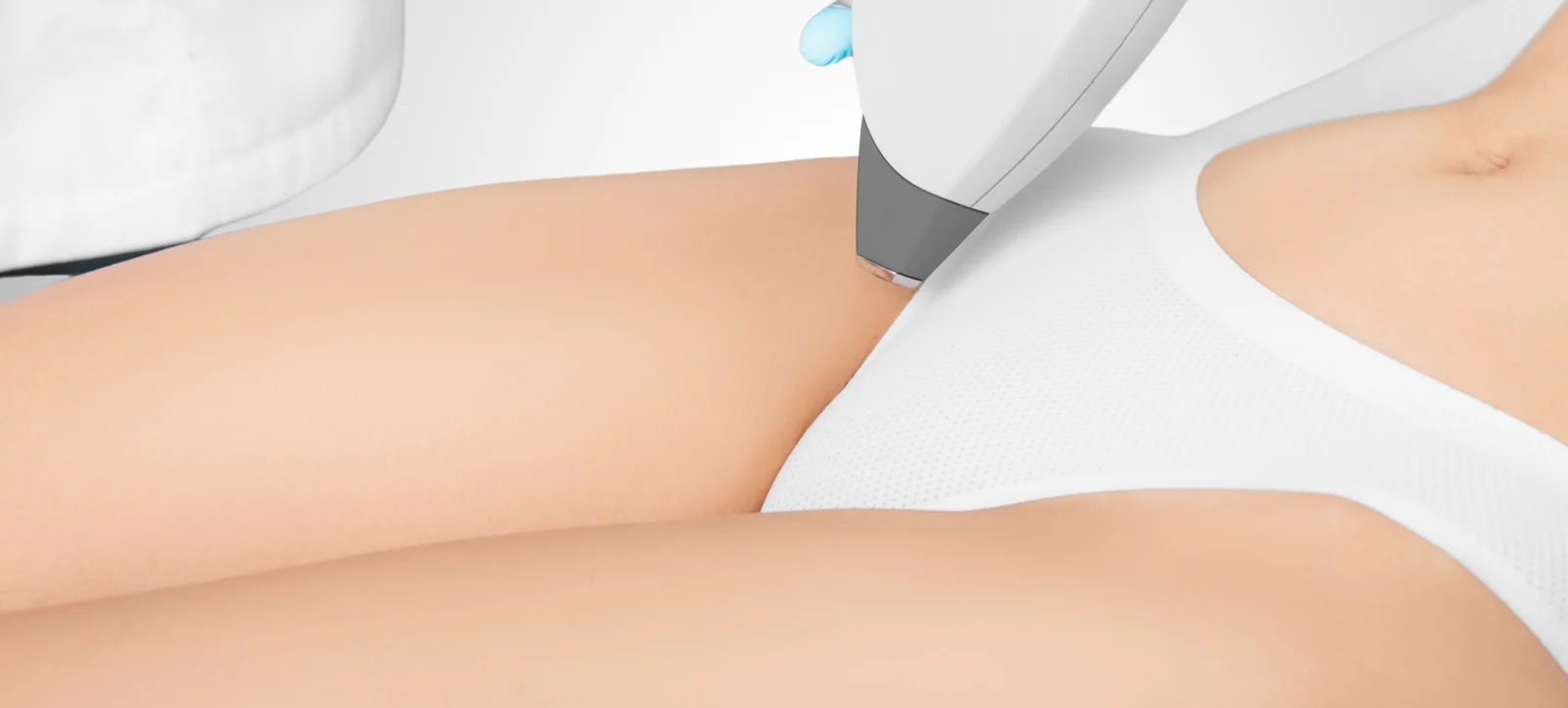
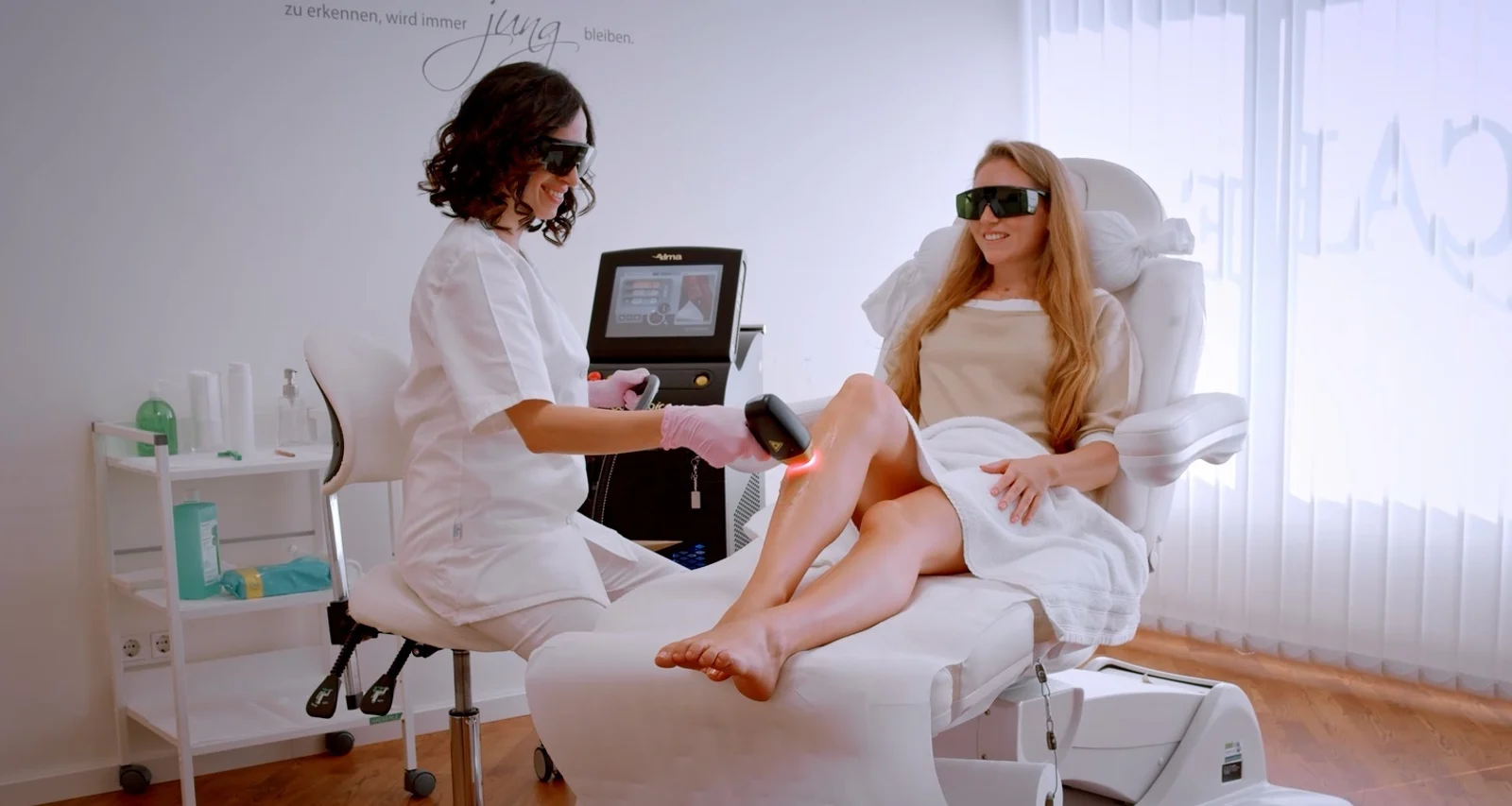
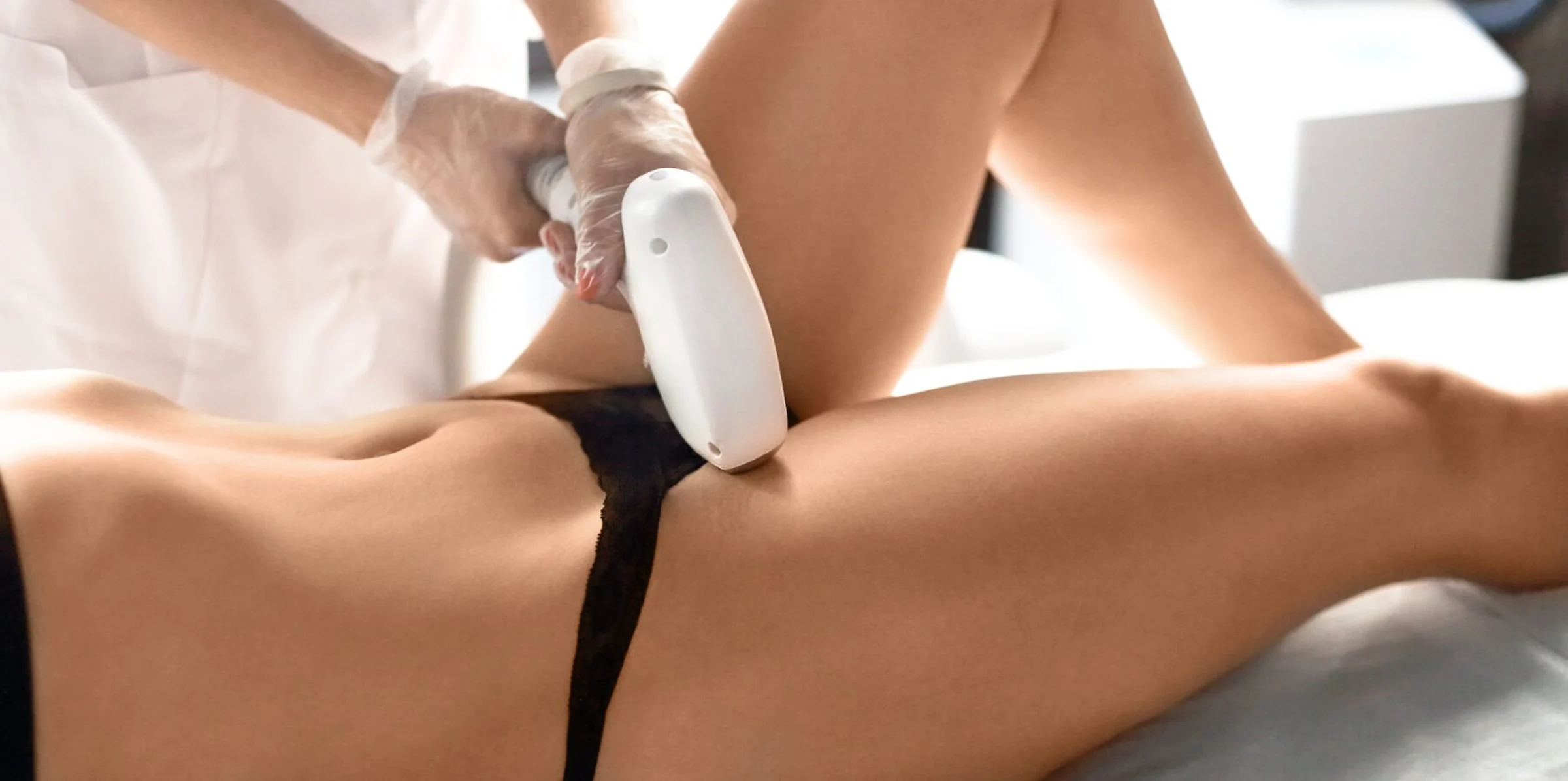
If you want to avoid ingrown hairs permanently, you can rely on modern laser hair removal. At Dermacare in Vienna, we offer state-of-the-art technologies to effectively prevent ingrown hairs and keep your skin smooth and healthy in the long term.
Our Inwave 4 laser technology is one of the most advanced methods of permanent hair removal. By combining four different wavelengths, it is suitable for all skin and hair types and is particularly effective in treating stubborn, ingrown hairs. This advanced technique not only reduces the risk of ingrown hairs but also minimises skin irritation.
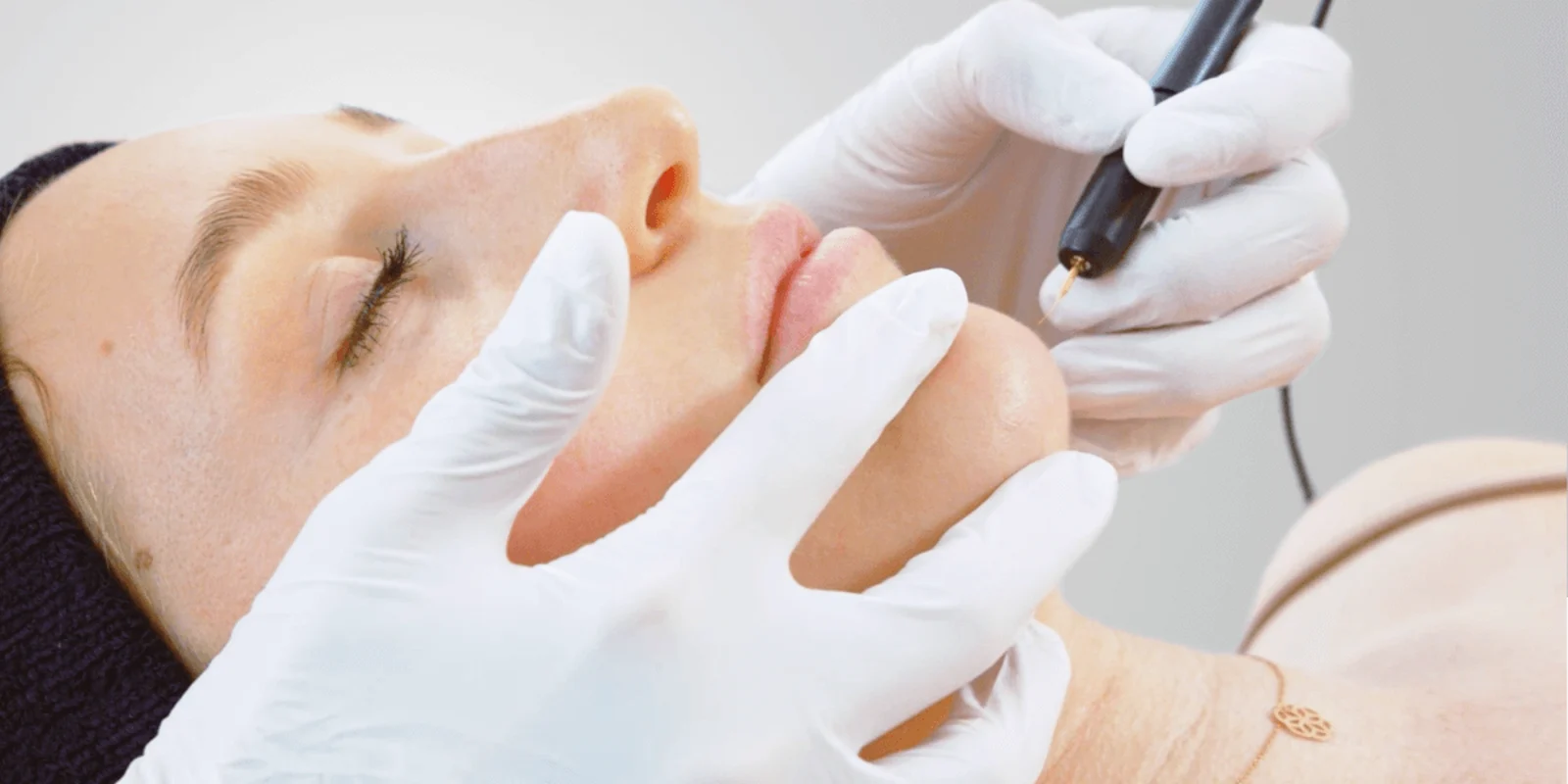
For very stubborn or isolated hairs, such as those that often appear on the chin or in other sensitive areas, Dermacare also offers electrolysis. This method is excellent for removing particularly fine or resistant hairs that might escape the laser.
If you want to get rid of ingrown hairs once and for all, conveniently and effectively, you can get advice from Dermacare. Our experienced team of experts develops tailored treatment plans to improve your skin's appearance and solve the problem of ingrown hairs permanently. Feel free to arrange a consultation and find out more about our innovative solutions for permanent hair removal.
What to do if you already have ingrown hairs?
Even though ingrown hairs often resolve by themselves, there are some steps you can take to speed up the healing process and reduce inflammation. Here are a few tips:
- Warm exfoliation: A warm bath or shower can soften the skin and open the pores, making it easier to free ingrown hairs. A gentle exfoliation can help bring the hair to the surface.
- Use a sterile needle or tweezers: If the hair is already close to the skin surface, you can carefully pull it out with sterilised tweezers or a needle. However, do not press too hard, to avoid scarring or infection.
- Antiseptic treatment: Clean the affected area thoroughly with an antiseptic to relieve inflammation and keep bacteria away.
If the ingrown hair becomes inflamed or an abscess forms, it is advisable to see a doctor. In some cases, medical treatment may be necessary to treat the infection.
Ingrown hairs are an annoying but treatable problem. With the right care, such as regular exfoliation and gentle shaving techniques, you can do a lot to prevent them. Interested in more helpful tips?
Book a consultation with Dermacare now or, if you do not yet have our freebie "The 6 best tips against ingrown hairs from Dermacare's experts", download it now.
Frequently asked questions
The term permanent hair removal is defined by the FDA (Food and Drug Administration USA) as a significant reduction of hair for a period longer than the hair cycle in the region. The oldest method by which permanent hair removal can be achieved is needle epilation. For some years now, however, laser and IPL epilation have been used for permanent hair removal with increasing success. The SHR method with 3 wavelengths is the state of the art in laser technology for permanent hair removal.
Long-term studies over several years have proven that the effect of professionally performed hair removal is of long-term duration: once hair follicles have been destroyed, they will no longer produce hair.