
In brief
- Spots and blackheads should not be squeezed, as this can make scarring worse.
- There are atrophic (sunken) and hypertrophic (raised) acne scars.
- Treatment methods include chemical peels, freezing, dermabrasion and laser therapy, which has proved particularly effective.
- At Dermacare a fractional CO2 laser is used; around three to five treatments at intervals of four to six weeks are needed.
Acne as a skin condition
Around 70 to 95% of all teenagers are affected by acne (acne vulgaris, "common acne"). Around 85% of the population suffer from acne at least once in their lives. This makes it the most common skin condition worldwide. Boys and young men are affected somewhat more often. The cause of acne is a hormonal change that leads to increased production of androgens. On the one hand, these cause increased sebum production in the sebaceous gland follicles; on the other, they lead to stronger keratinisation. This blocks the opening of the gland. The sebum can no longer drain away and builds up in the gland, which becomes ever wider as a result. Since the pressure cannot escape and bacteria also multiply in the gland, inflammation and pus formation occur. The result is spots, blackheads, papules and pustules.
How do acne scars develop?
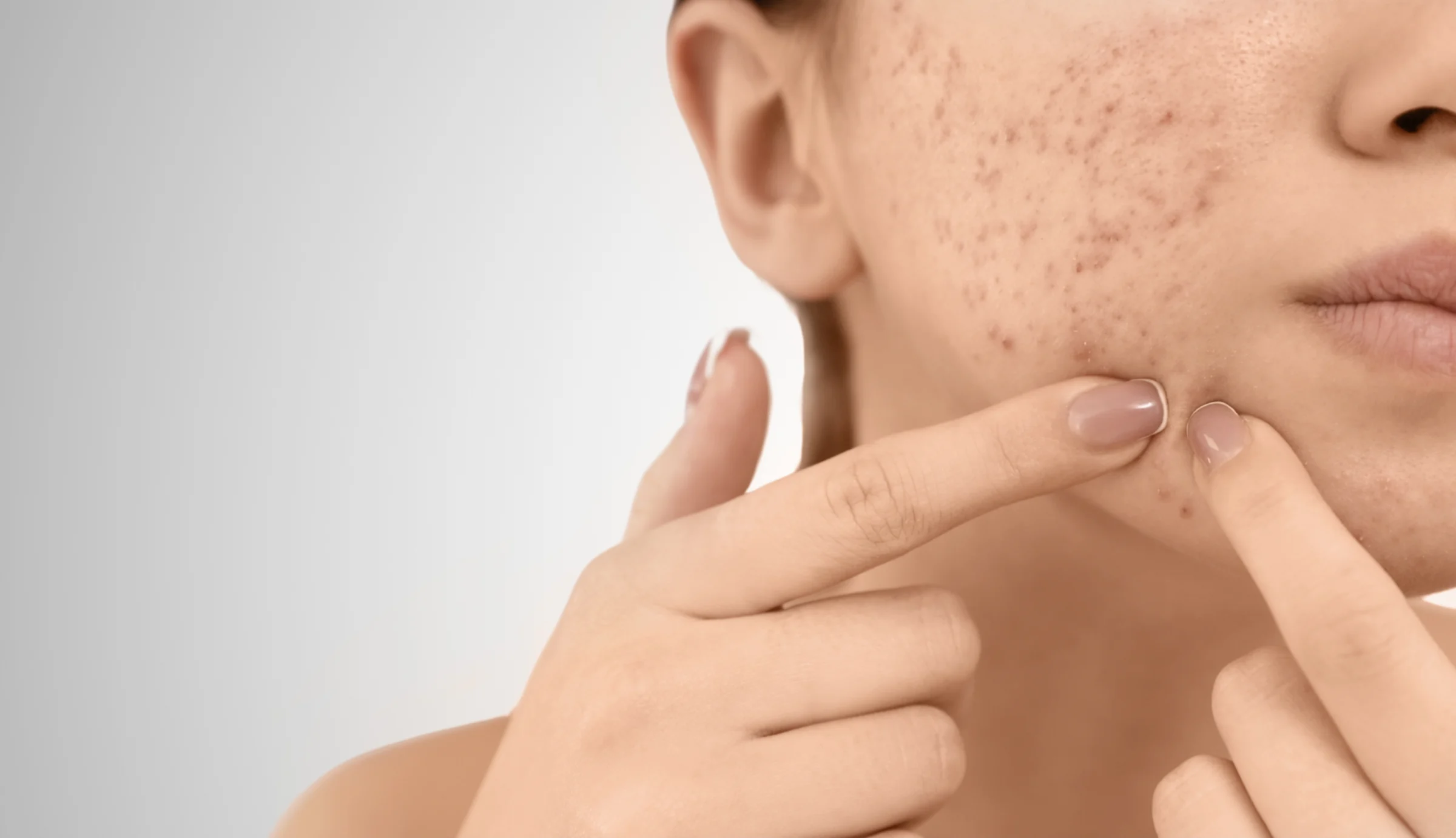
The good news: in most people, acne eases with increasing age and often disappears entirely after puberty. Nevertheless, unsightly acne scars remain in some of those affected. This happens above all when the acne was a very severe form, or when it was inadequately or amateurishly treated. For example, squeezing spots can make scarring even worse, as bacteria get into the wound and the connective tissue in this area is also destroyed. There are two forms of acne scars:
- atrophic acne scars
- hypertrophic acne scars
Atrophic acne scars are scars that lie deeper (that is, below normal skin level). Here, not enough new connective tissue was formed, which creates the typical acne "craters". With hypertrophic acne scars, the opposite is the case. Here, too much new connective tissue has formed as part of the skin's repair mechanism. This leads to visible thickening of the skin.
How can acne scars be treated?
The most effective remedy for acne scars is prevention. That means: spots and blackheads should never be squeezed! In many cases, acne disappears by itself thanks to the skin's self-healing powers. If it is a very severe form of the skin condition, however, medical help should be sought from a dermatologist as early as possible. This too can reduce the later effects and thus the acne scars.
For many people, however, this advice comes too late. But even though scars are generally not easy to remove, there are now many different, more or less effective methods with which acne scars can be treated. These include chemical peels, freezing treatments and dermabrasion. Laser therapy has proved particularly effective in the treatment of acne scars.
What are the advantages of laser treatment for acne scars?
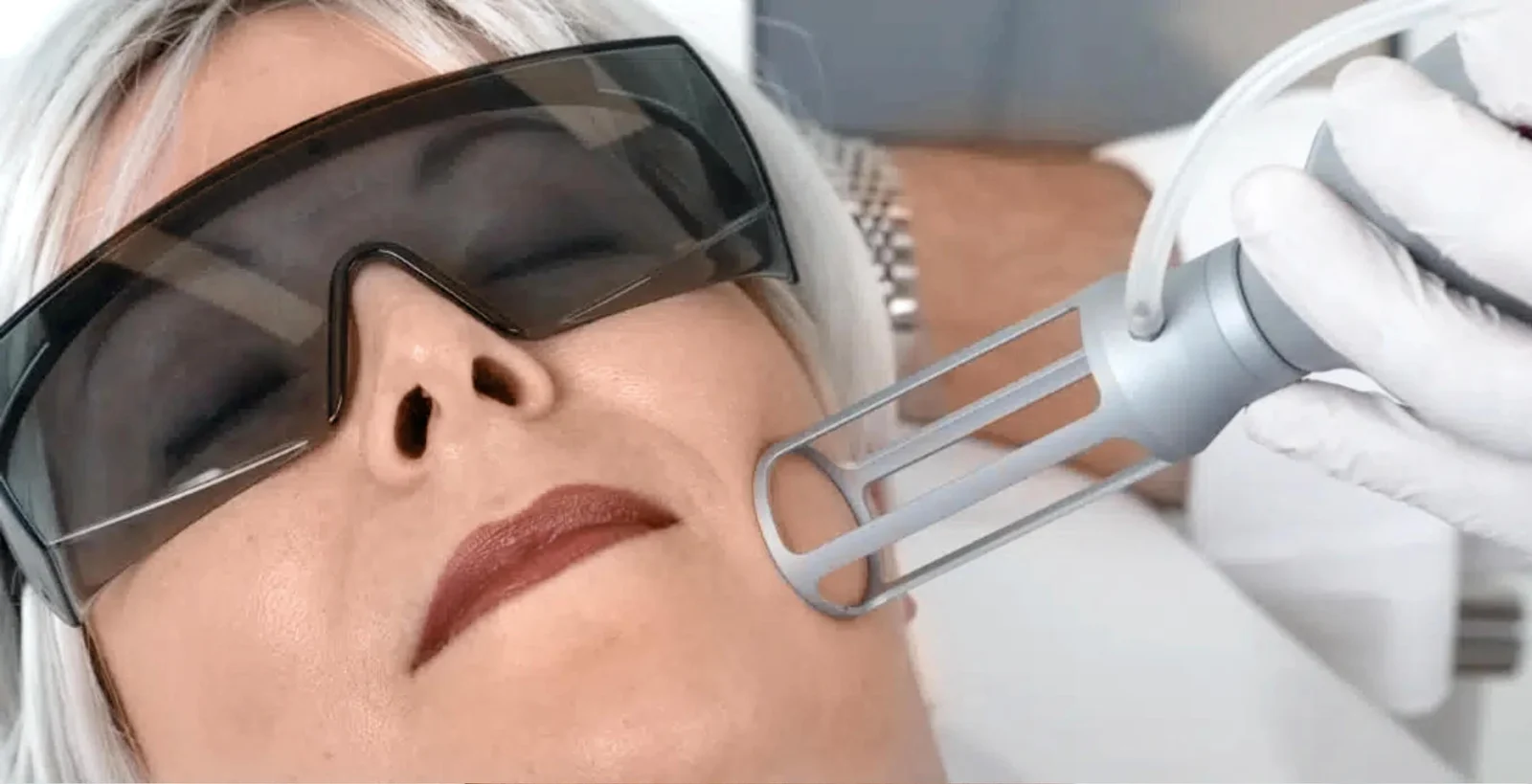
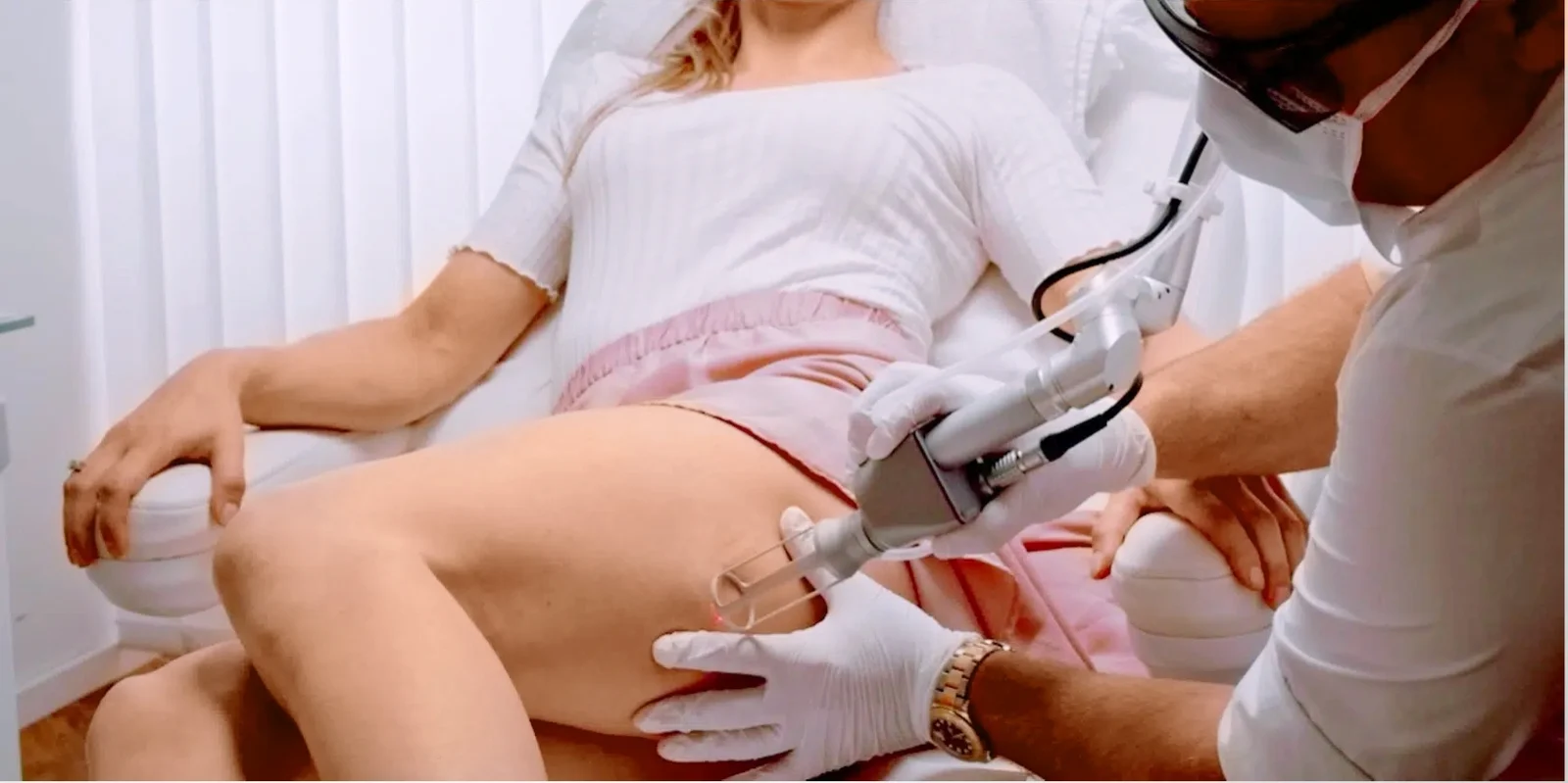
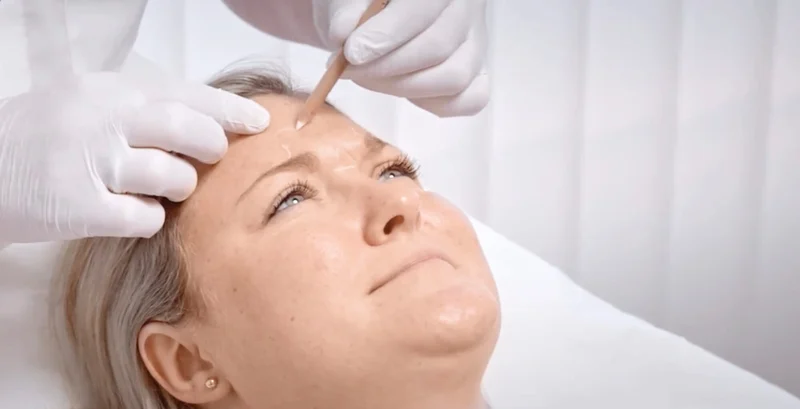
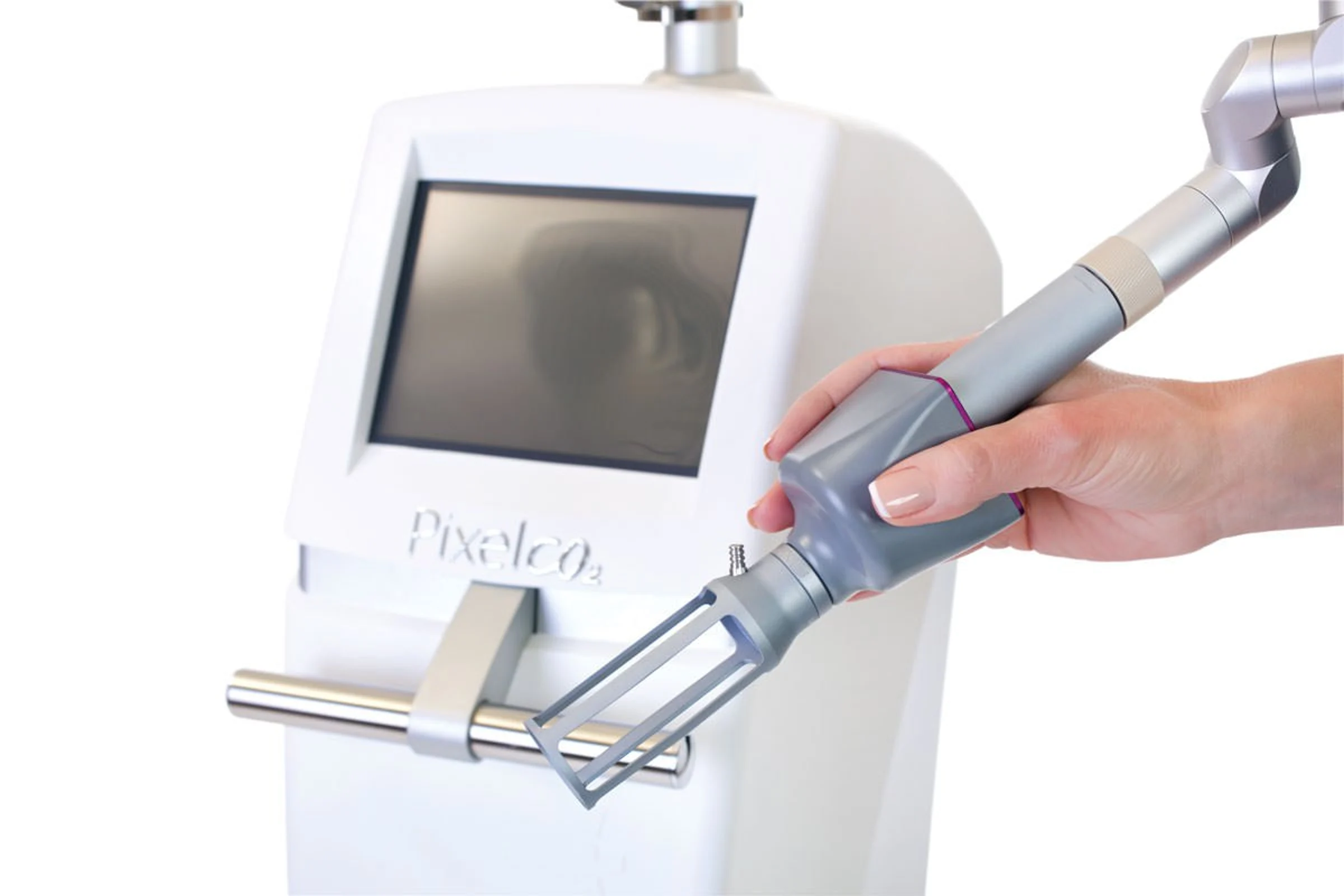
A major advantage of laser therapy is that both hypertrophic and atrophic acne scars can be treated with it. At Dermacare in Vienna, we rely on a fractional CO2 laser to treat acne scars. This type of laser removes the acne scars by lasering tiny holes into the skin. The body's own regeneration mechanisms then close these small injuries with new tissue. Since parts of the skin surface remain untouched during treatment with the CO2 laser, the skin's healing process takes only about three to five days. For an optimal result, around three to five treatments are necessary. These are scheduled at intervals of four to six weeks to give the skin the time it needs to regenerate. In addition, use of the CO2 laser stimulates collagen production in the deeper layers of the skin.
You can find more information about removing and treating acne scars at Dermacare here.
Call us on 01/532 03 34, email us at info@dermacare.at or use our contact form to arrange a consultation or treatment appointment for laser treatment of acne scars!
Frequently asked questions
Yes, deeper acne scars can also be significantly improved with the CO2 laser. The laser penetrates the skin in a targeted way, stimulates collagen production and supports the regeneration of scar tissue. In this way, sunken or deeply marked scars are visibly smoothed. Depending on the depth of the scars, several sessions are often needed to achieve an optimal result, but today the treatment offers one of the most effective methods to permanently reduce acne scars and significantly improve the appearance of the skin.
The fruit acid peel has antibacterial, sebum-regulating and regenerating effects. It loosens old layers of dead skin, supports the healing of inflammation and provides a smoother, more even complexion – without irritating the skin unnecessarily.
Yes. The laser works extremely precisely and protects the surrounding tissue while the age spots are lasered away. At Dermacare, every treatment is carried out by experienced specialist doctors.
If you have questions about safety or your skin type, you can contact us at any time.