

In brief
- Below 8 degrees Celsius, the sebaceous glands slow down their activity, and the skin’s protective lipid film becomes thinner and more permeable.
- Dry, heated indoor air draws additional moisture from the skin; an indoor humidity of around 50 to 60 per cent is recommended.
- Replenishing creams, for example with urea or glycerin, short lukewarm showers and gentle patting dry support the skin barrier.
- For very sensitive skin, professional support can help rebuild the skin barrier in a targeted way.
When the days get shorter and temperatures drop, the season of tight skin, chapped lips and dry hands begins for many people. The cold outside and the warm, dry air from heating indoors quickly upset the skin’s natural balance. And of course all this begins just when we want smooth, radiant skin.
But why does our skin react so sensitively in winter? And how can you prevent it from looking dull, flaky or irritated? Dermacare’s dermatologist Dr. Ruxandra Ciovica explains.
Why does my skin get so dry in winter?
In a healthy state, our skin is a strong protective layer; among other things, it keeps pathogens out, protects against environmental influences and retains moisture inside. But as soon as temperatures fall below 8 degrees Celsius, the activity of our sebaceous glands slows down. The protective lipid film, which normally lies on the skin like a delicate coat, becomes thinner and more permeable.
At the same time, the air in winter, both outdoors and in heated rooms, is much drier. The moisture in the upper layers of the skin evaporates faster and the skin loses elasticity. The face, lips and hands are particularly affected, as they are constantly exposed to cold air. A feeling of tightness, itching and small dehydration lines are the result.
Gentle care for dry skin in winter
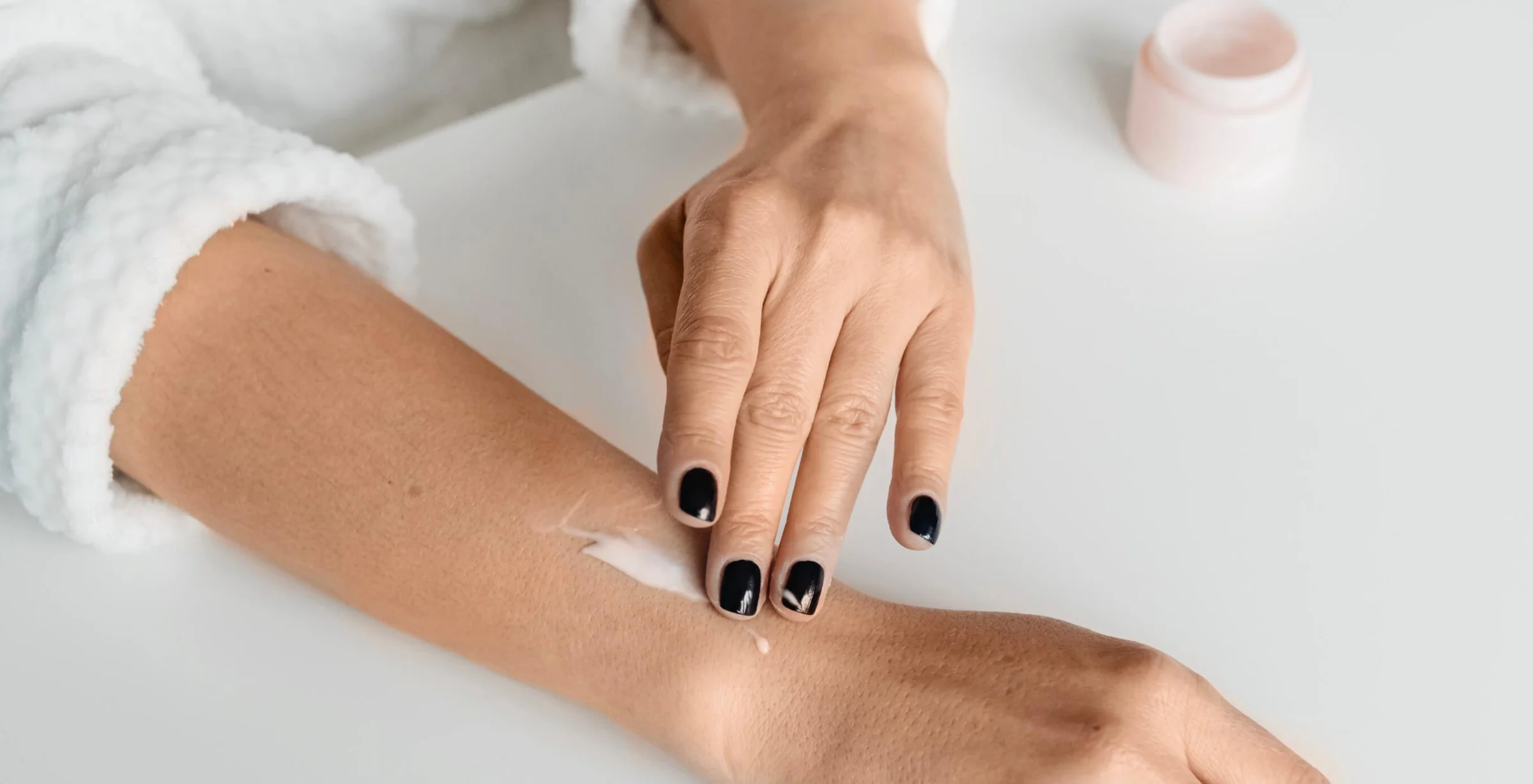
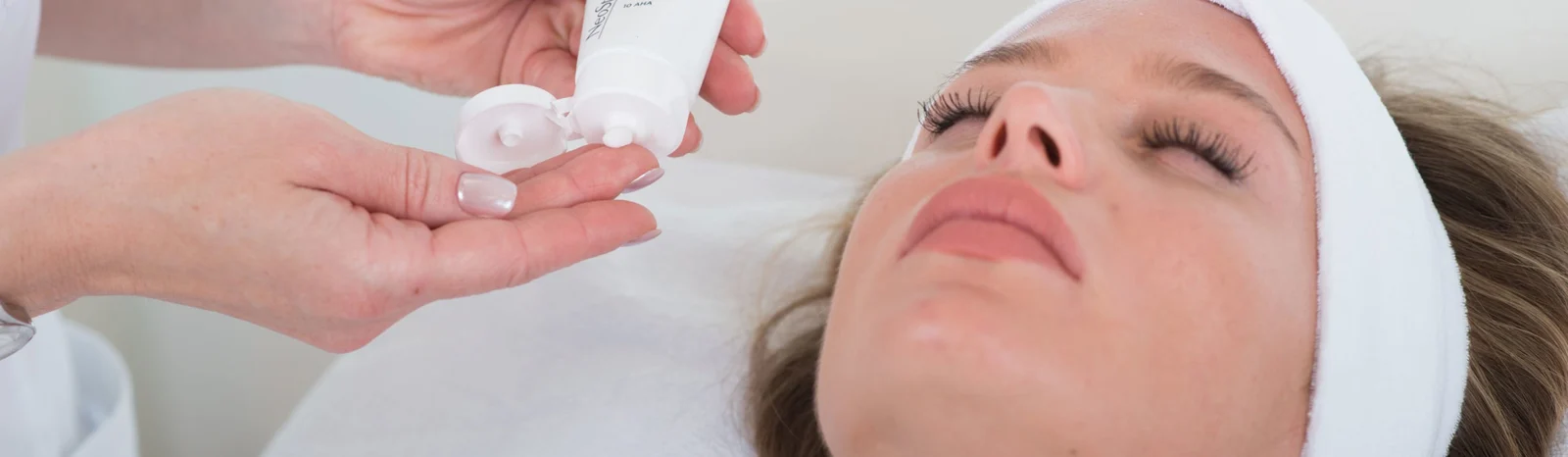
In winter, the skin needs above all one thing: consistent, rich care. Oil- and moisture-replenishing creams help stabilise the skin barrier and retain moisture. Products with urea, glycerin or plant oils such as almond, argan or evening primrose oil are particularly recommended.
These ingredients work twice over. They bind water in the skin and at the same time support the natural protective film. It is important to moisturise regularly, especially after showering, when the skin is still slightly damp. This allows the active ingredients to penetrate better and take effect. If you are unsure which care suits your skin, you are welcome to consult us.
Hot or long showers are also taboo in winter. Short, lukewarm showers with mild, replenishing products are better. After washing, the skin should be patted gently dry, not rubbed dry.
Why does heating air dry out the skin?
Heating air is a double burden: it draws moisture from the ambient air and at the same time accelerates the evaporation of water from the skin. This leads to an unpleasant feeling of tightness, especially on the cheeks and forehead.
A simple tip: ensure an indoor humidity of around 50 to 60 per cent. You can achieve this through regular short bursts of ventilation or small evaporators on the radiator. Houseplants can also help improve the indoor climate.
When dry skin is more than a cosmetic problem
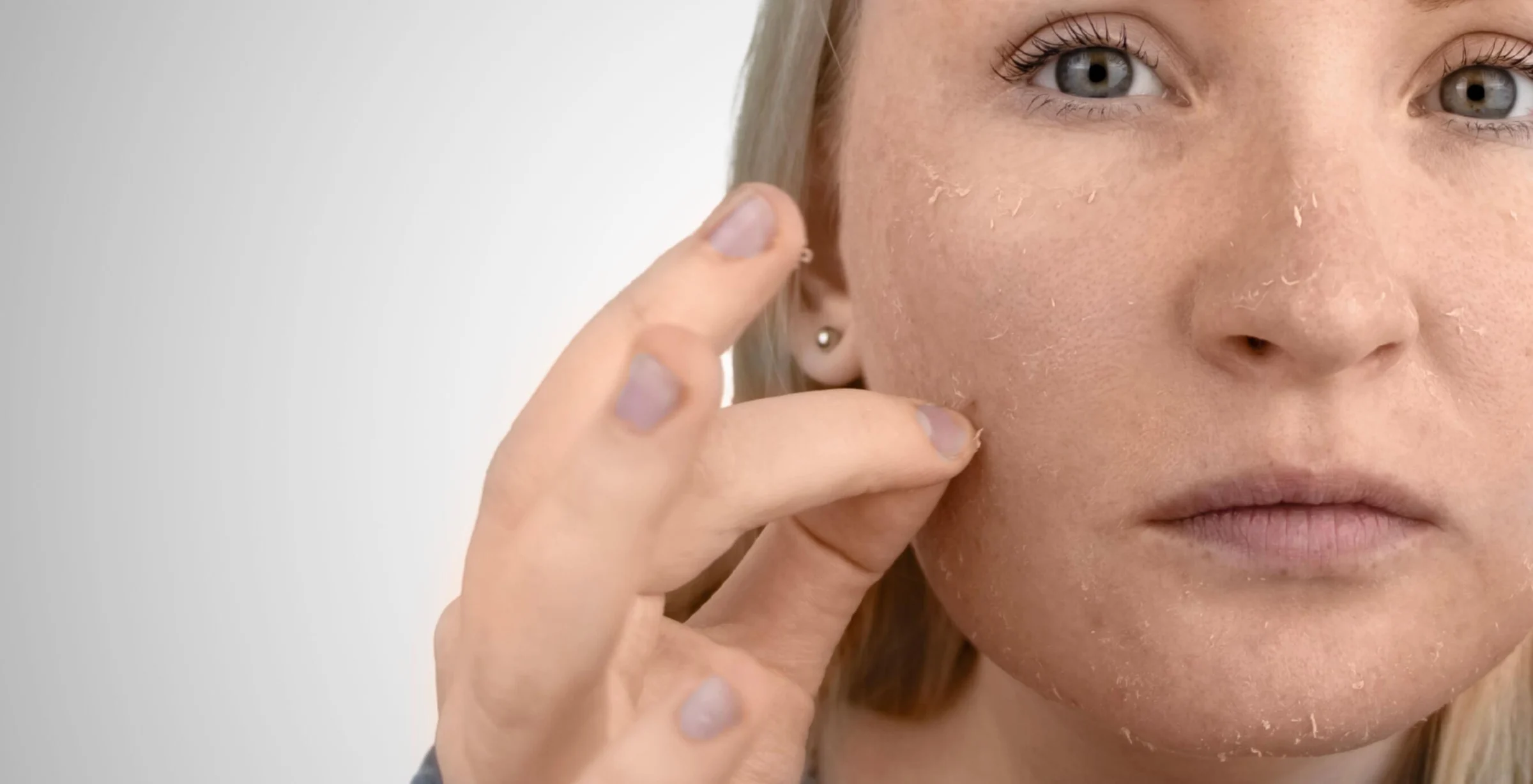
A water content of the skin of less than ten per cent leads to tightness, burning and redness. If the skin becomes even drier, small flakes and fine lines form. This not only looks tired but can also encourage inflammation or skin irritation.
On the face in particular, the skin is more sensitive than elsewhere on the body. If you also suffer from sensitive skin or skin prone to eczema, you feel the winter strain especially strongly. In these cases, conventional care is often no longer enough; professional support can help rebuild the skin barrier in a targeted way.
Dermatological support at Dermacare Vienna
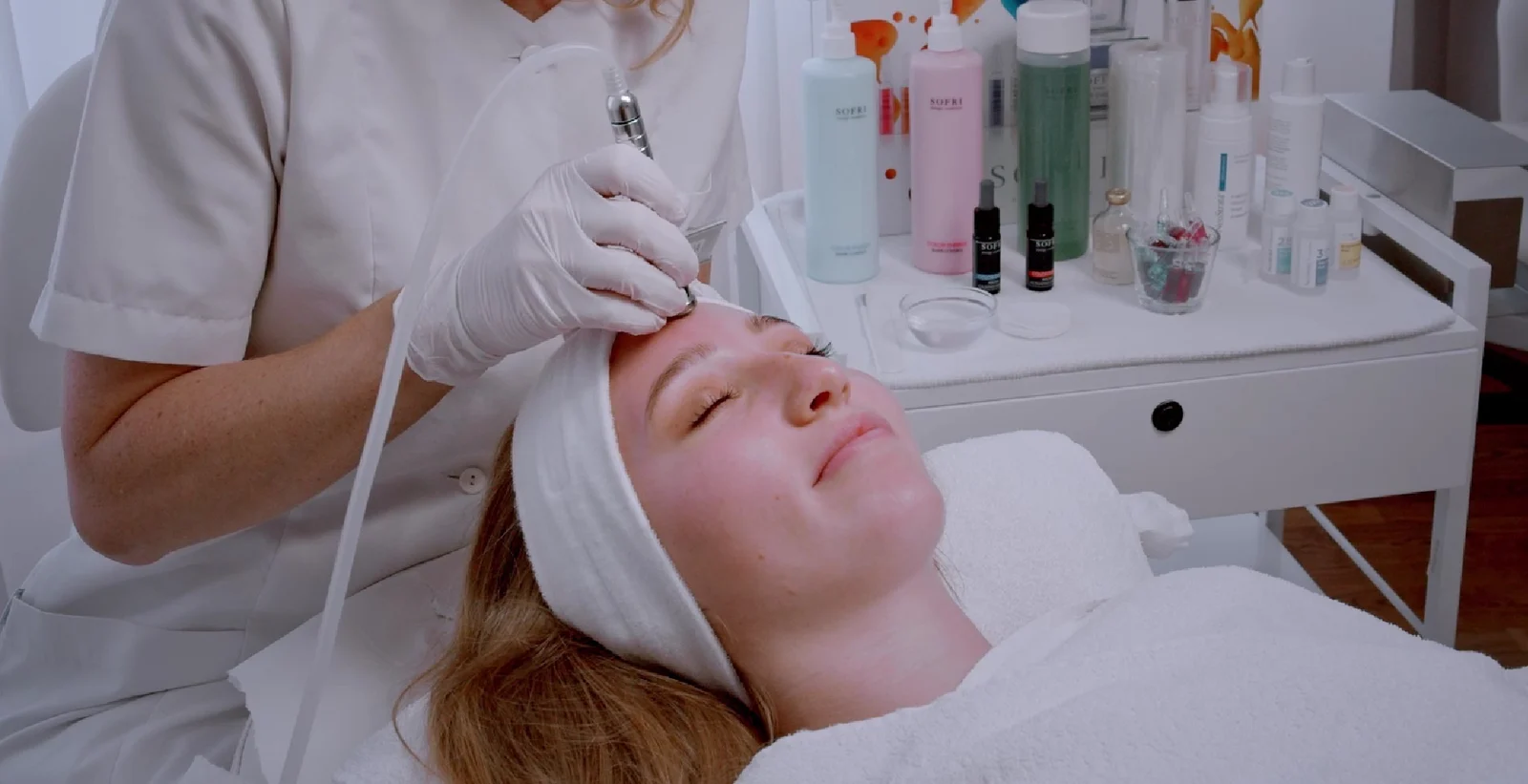
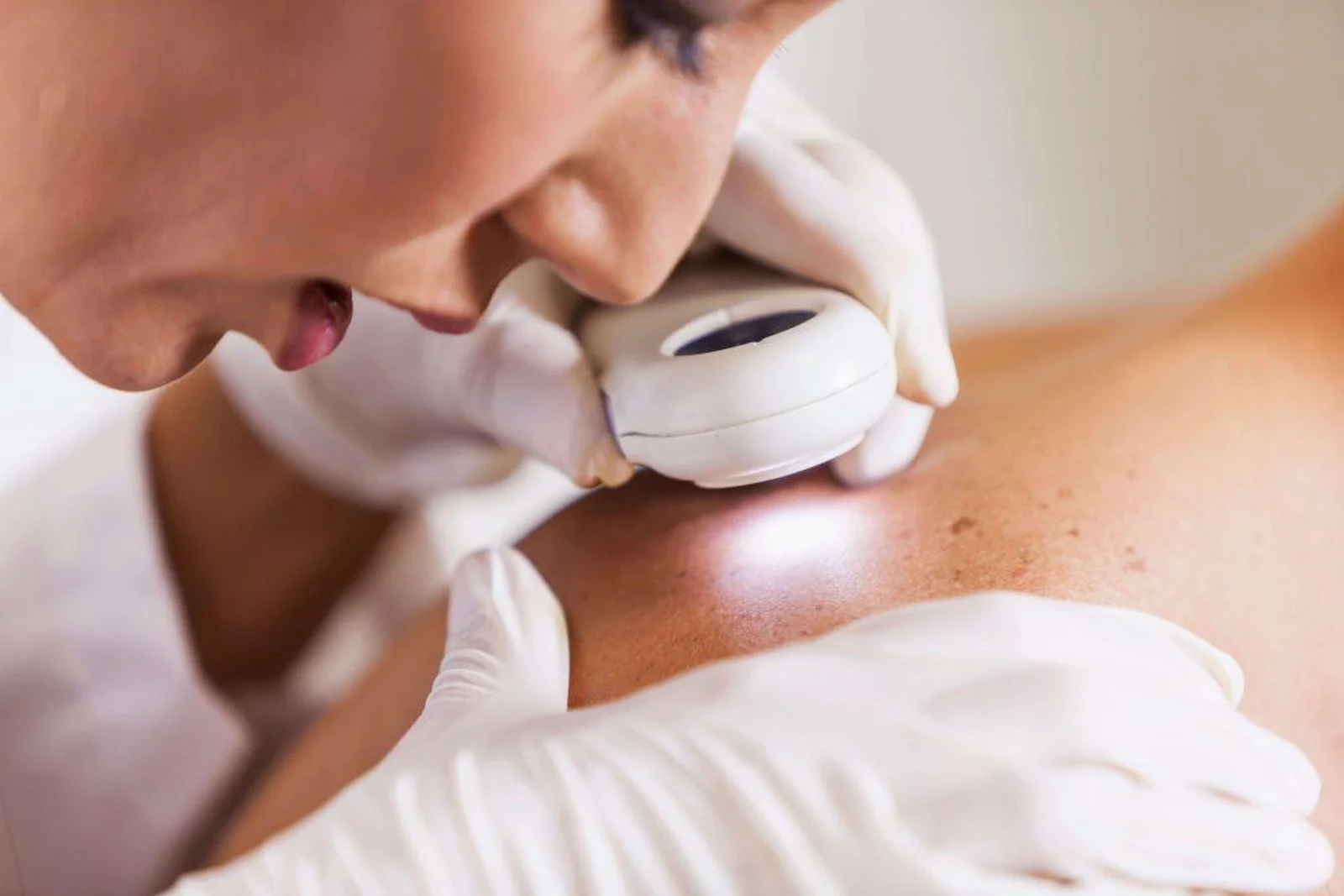
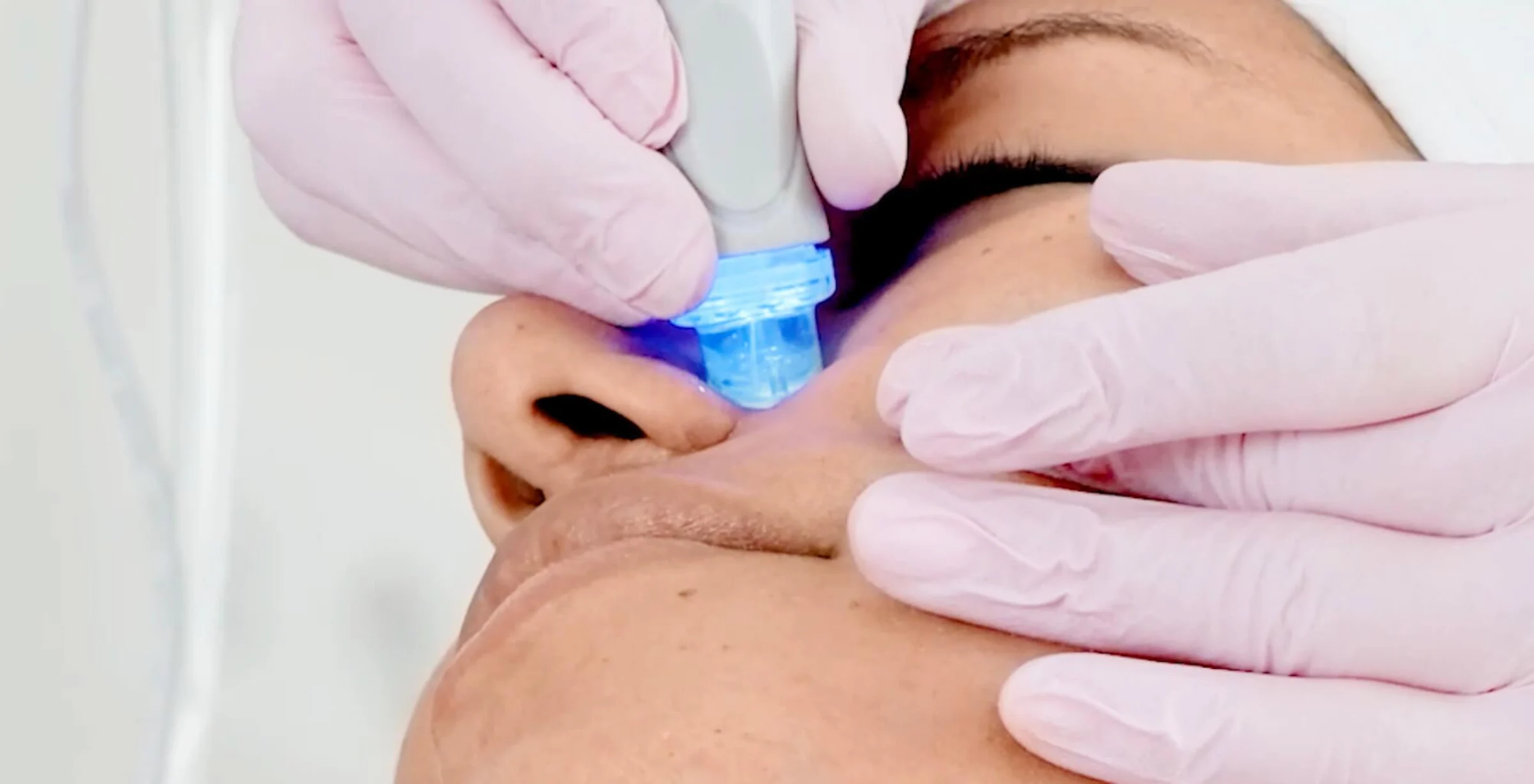
At Dermacare Vienna, experienced dermatologists, like me, combine medical expertise with state-of-the-art technology to treat dry skin holistically. After a detailed skin analysis, individually suitable therapies are recommended, from Aquafacial treatments and hyaluronic acid infusions to medical peels that gently remove dead skin cells and stimulate skin renewal.
These treatments provide deep-acting moisture, strengthen the skin barrier and make the complexion look fresh, smooth and vital again, without heavy creams or irritation.
Conclusion: care that goes deeper
Dry skin in winter is not an unavoidable fate but a signal that your skin needs more attention. With the right care, mindful habits and, where necessary, professional support, it can recover quickly.
For healthy and supple skin, even in winter, you are welcome to get personal advice at Dermacare Vienna.
Frequently asked questions
Typical signs are a feeling of tightness, itching, fine flakes or a dull complexion. Some people also feel a slight burning sensation after washing. The skin generally looks less elastic and reacts more sensitively to cold or skincare products.
Creams with replenishing and moisturising ingredients are ideal, for example urea, glycerine, squalane or plant oils. These active ingredients strengthen the skin barrier and help it retain moisture for longer. Light summer creams are usually not sufficient in the cold season.
Below about 8 degrees Celsius, the sebaceous glands produce fewer lipids. This means the skin's natural protective film becomes thinner. At the same time, winter air is usually drier, so water evaporates from the skin more quickly. The skin loses moisture and feels rough and sensitive.
Drinking enough water is important, but it does not replace external skincare. In winter, the skin needs extra support from the outside to maintain its protective barrier. Drinking and caring for your skin complement each other.
If your skin is red, burning, itchy or flaky despite rich skincare, it may be a sign of an impaired skin barrier or a skin condition such as eczema or atopic dermatitis. In these cases, it makes sense to seek dermatological advice so that the skin can be specifically soothed and rebuilt.