
In brief
- A former patient had a faded tattoo, around 15 years old, removed by laser at Dermacare Vienna.
- A numbing cream was applied before the first session; according to the patient, the treatment itself took only a few minutes.
- Laser treatment takes place over several sessions with sufficient time between them, so that the lymphatic system can break down the colour pigments.
- Redness and swelling were possible after each session; aftercare and avoiding direct sun were important.
For many people, the turn of the year is a natural moment to pause and reflect on their lives. To question old habits, reset priorities and sometimes even get rid of an old tattoo. After all, not every tattoo still fits our current life situation, our job or our self-image.
That was also the case for Alexander, a former patient of Dermacare Vienna, who had been unhappy with his tattoo for years.
“I wanted to get rid of my tattoo – for my career and my wellbeing”
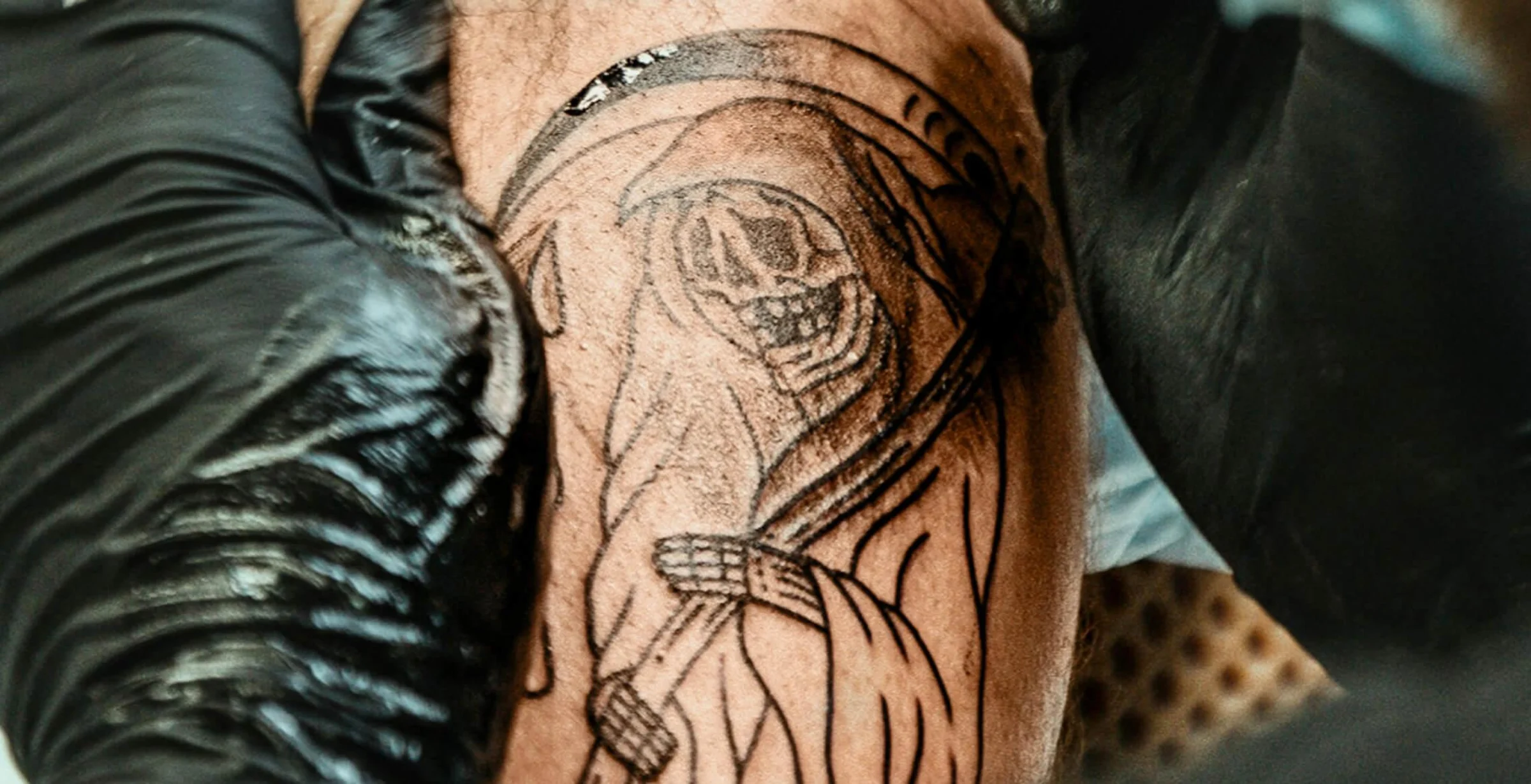
Alexander had his tattoo done about 15 years ago, when it was still fashionable and an expression of a personal trend. At first he was happy with it, but over the years the design faded considerably due to sun and time. Five years ago he tried a cover-up, which only made the situation worse: “From a distance the tattoo looked like a dark patch, and even the details could not rescue the aesthetic effect.”
The deciding factor was his job in the film industry. Alexander is often on camera only lightly dressed, and the tattoo spoiled the overall look considerably. “It kept distracting me unconsciously and I didn’t feel comfortable in my own skin,” he recalls.
Did the tattoo removal hurt?
At Dermacare Vienna, Alexander felt in good hands from the start. In the professional and friendly atmosphere, the treating doctor took the time for a comprehensive consultation, explained the treatment in detail and answered all questions honestly. That gave Alexander confidence straight away.
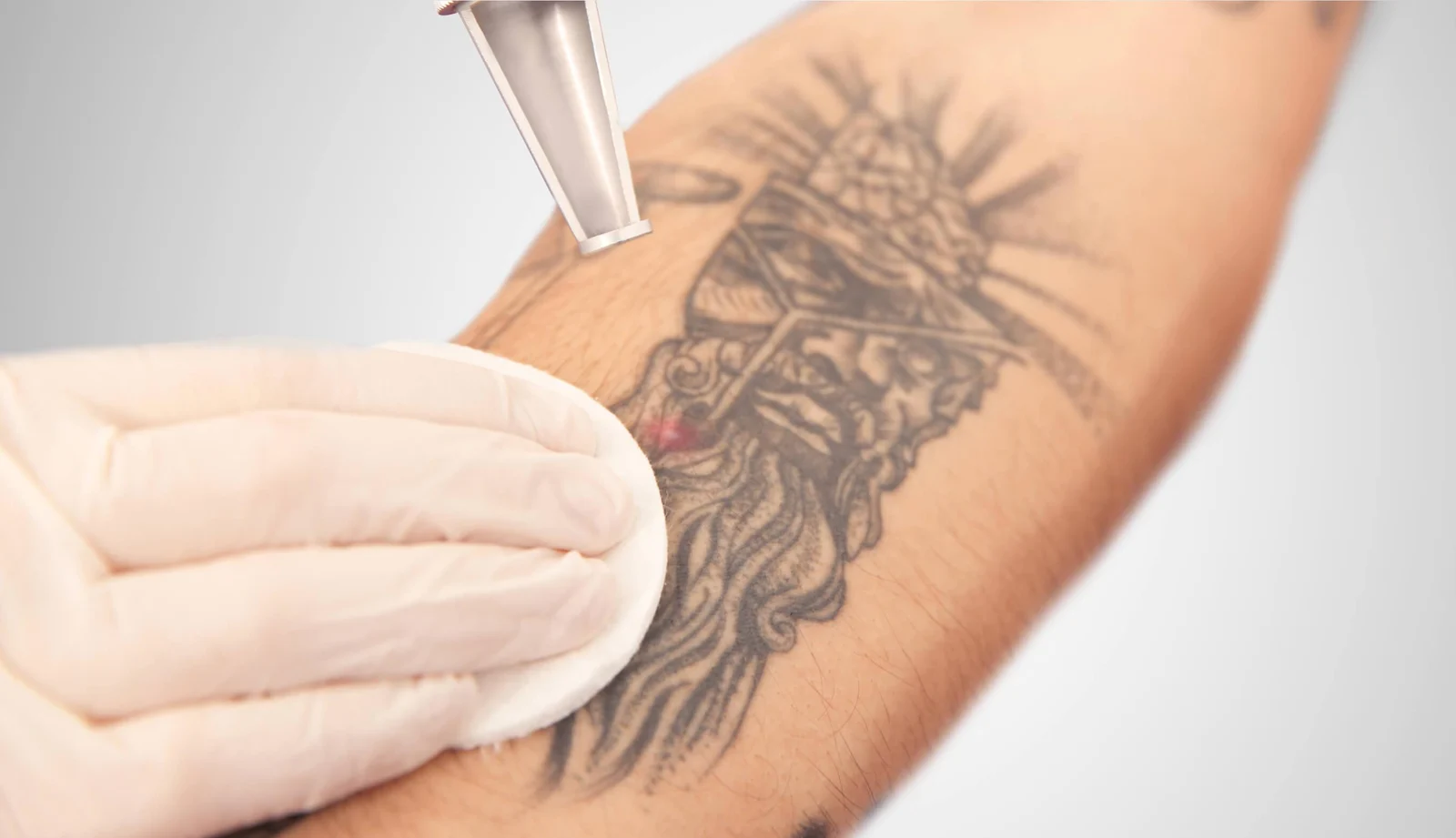
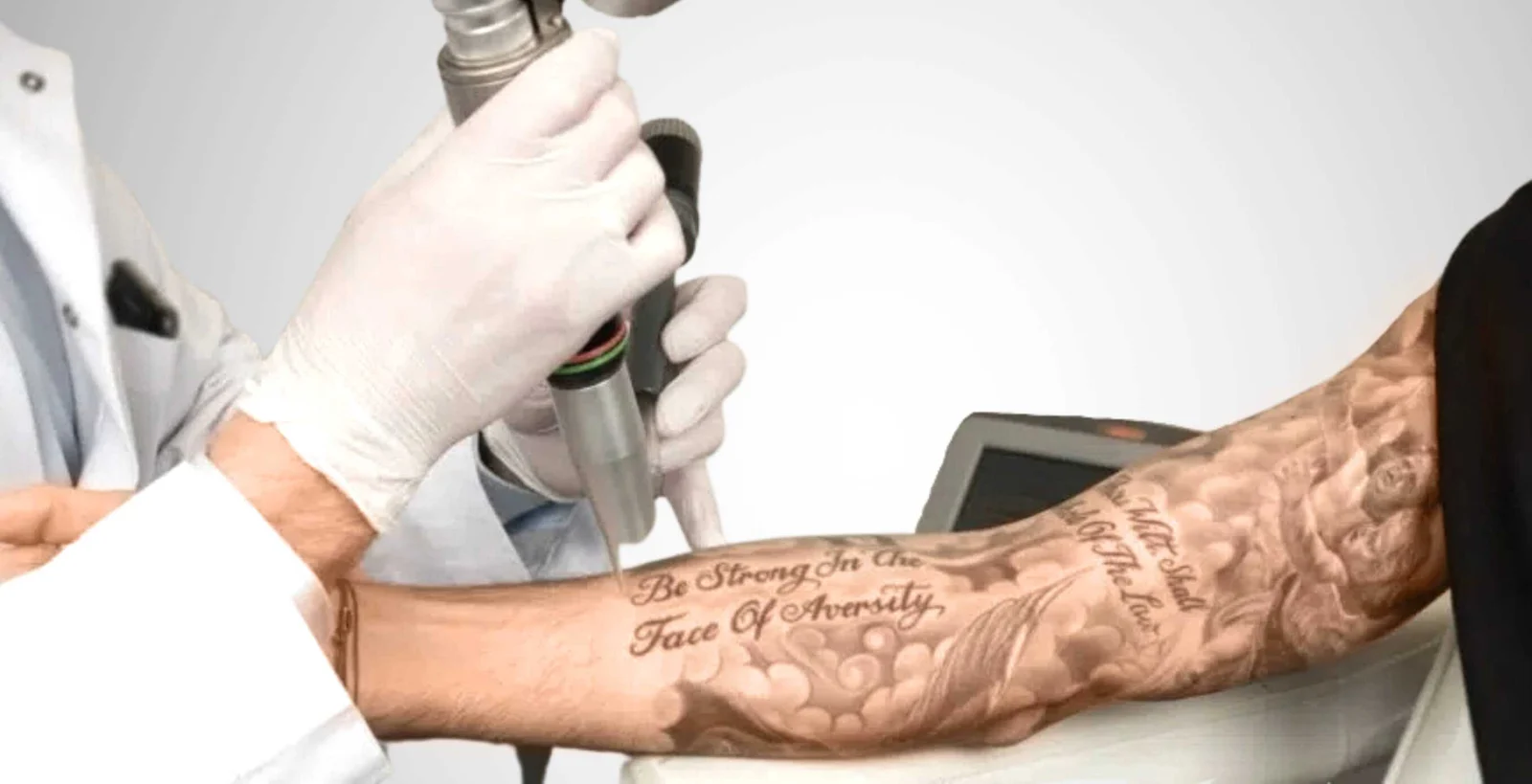
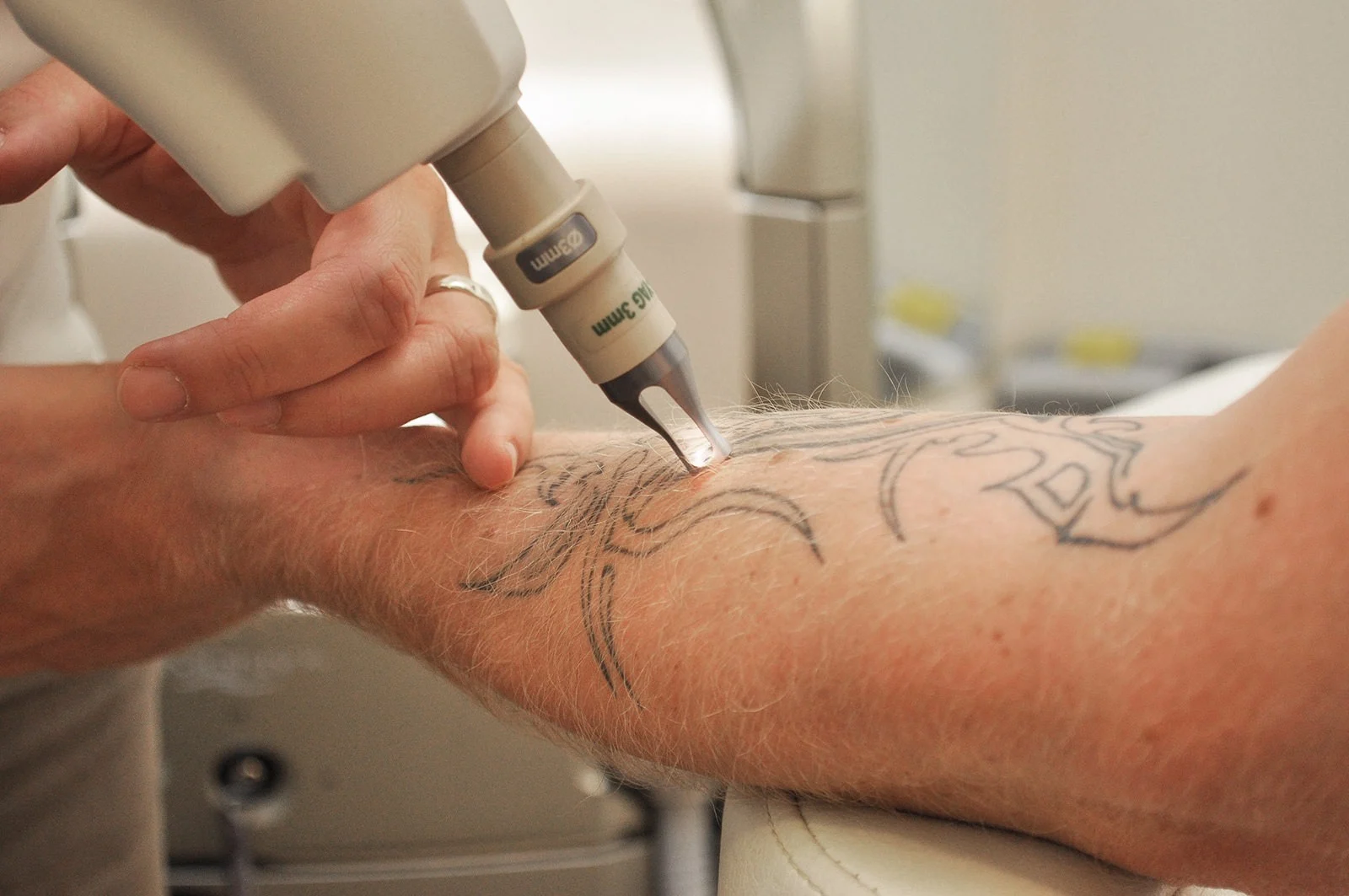
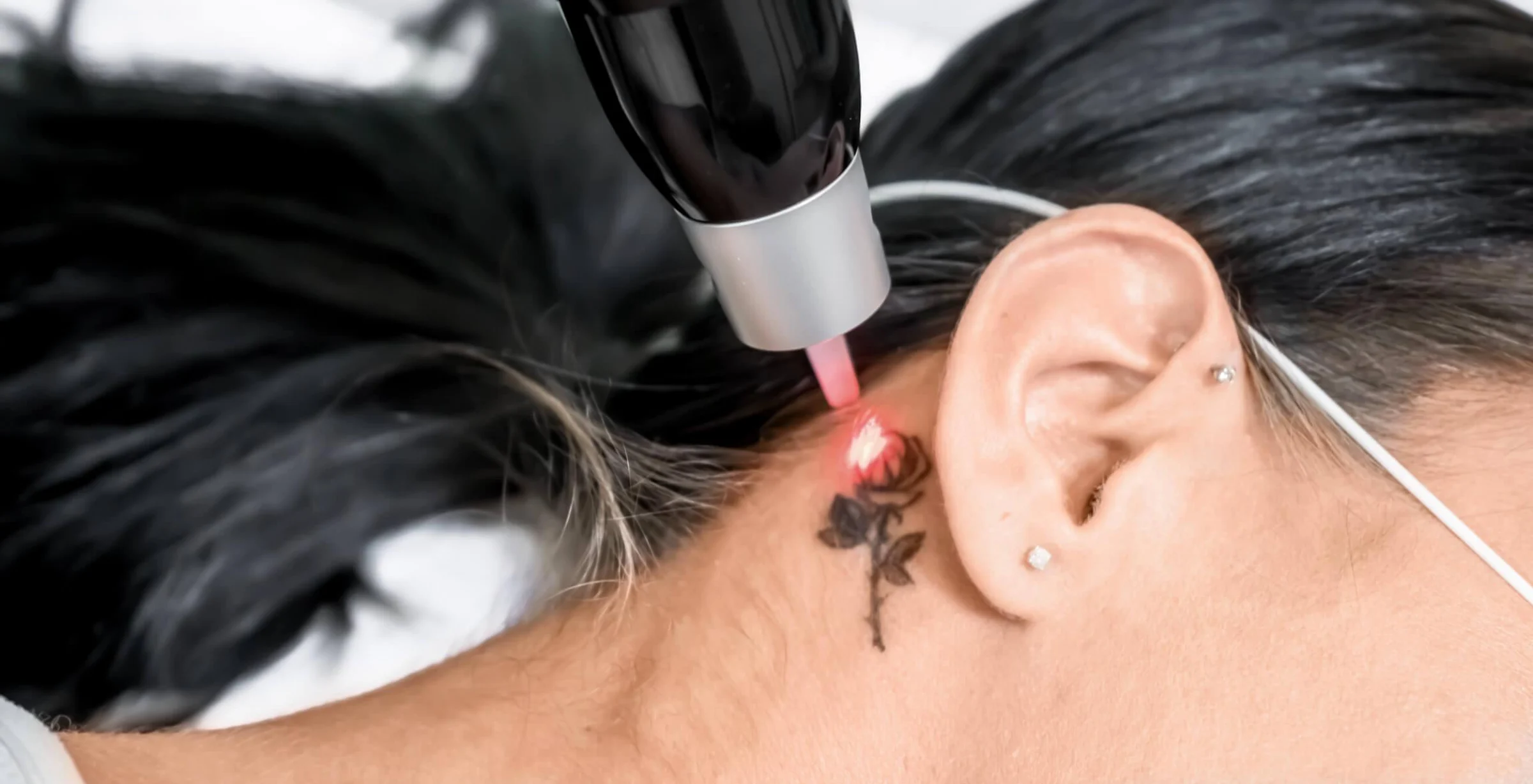
The treatment itself was straightforward: before the first session he applied a numbing cream. Wearing protective goggles, the doctor then began with the laser. “The treatment took only a few minutes, and the pain was much less than when getting tattooed and easy to bear,” Alexander says.
Step by step to success
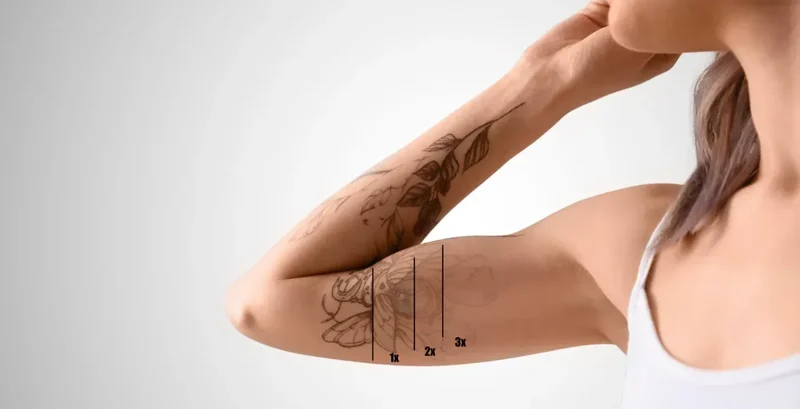
The laser treatments take place over several sessions, with sufficient time in between so that the lymphatic system can break down the colour pigments. After each session, Alexander’s skin was slightly red and swollen, but after a few days this had returned to normal. Regular care with antibiotic ointment and avoiding direct sun were important steps to achieve the best possible result.
After three sessions, Alexander could already see clear progress. Although his tattoo was large and contained a lot of black ink, the design faded noticeably. He was particularly impressed by the efficient, modern laser technology at Dermacare, which makes the process faster and less painful than many other laser devices.
A new outlook on life
For Alexander, tattoo removal was more than a purely aesthetic procedure. “It’s an incredible feeling to have got rid of my tattoo. I feel more confident and more carefree and can fully concentrate on my work again,” he says.
The decision to get rid of his tattoo has had a positive influence on his life, and not only visually but mentally too. His skin looks clearer, his self-confidence has grown, and the worry about the old cover-up is a thing of the past.
“Treatment at Dermacare is low-pain and efficient”
Alexander wholeheartedly recommends Dermacare: the consultation is honest and professional, the treatment low-pain and efficient, and the team responds specifically to patients’ needs without selling unnecessary sessions. Anyone who wants to get rid of a tattoo can rely on modern technology, experience and individual care – exactly what Alexander was looking for.
“I can only advise everyone: if you have been thinking about getting rid of a tattoo for a while, now is the right time. It is worth it for your skin, your self-confidence and for a new outlook on life.”
Frequently asked questions
The treatment can feel uncomfortable, similar to a brief, intense stinging sensation. However, many patients find it easy to bear. On request, a numbing cream can be used to make the treatment more comfortable.
The number of sessions depends on several factors, including the colour, depth, size and age of the tattoo. The aim is not always complete removal, but sufficient lightening. Often just a few sessions are enough to create an ideal basis for the cover-up tattoo.