In brief
- A cover-up conceals the old design, requires dark, strong colours and is usually two to three times as large as the old tattoo.
- With very dark or large tattoos, the old design may partly show through in a cover-up.
- The PicoPlus laser at Dermacare Vienna works with four wavelengths and can treat almost all colours, including green and blue.
- The old tattoo is often first lightened with the laser and then covered up; if you want tattoo-free skin, there is no way around the laser.
Have you been wishing for some time to see something new and fresh on your skin again? Perhaps an old design bothers you because it no longer suits you, or you simply dream of natural skin without colours and lines. In such moments many people face the question: remove the tattoo or have it covered up?
The comparison of laser vs. cover-up is decisive here. But which method really leads to the desired result – natural, tattoo-free skin or a work of art that makes you forget the old design? Or is a combination of both the ideal solution?
Why tattoos often become a burden
The reasons for wanting to get rid of a tattoo are varied:
- Spur-of-the-moment decisions – spontaneous tattoo sessions, perhaps even on holiday or under the influence of alcohol.
Relationship tattoos – a name that outlasts the relationship. - Outdated trends – tribal designs, lower-back tattoos or Chinese characters that used to be “in” and today tend to raise a smile.
- Professional hurdles – visible tattoos on the hands or neck can be an obstacle in formal jobs.
- Poorly executed work – messy lines, wrong translations or unflattering designs.
Whatever the reason behind it, the need is usually the same: you want to reclaim your skin or make room for a new, more fitting design.
Covering up a tattoo – opportunities and limits
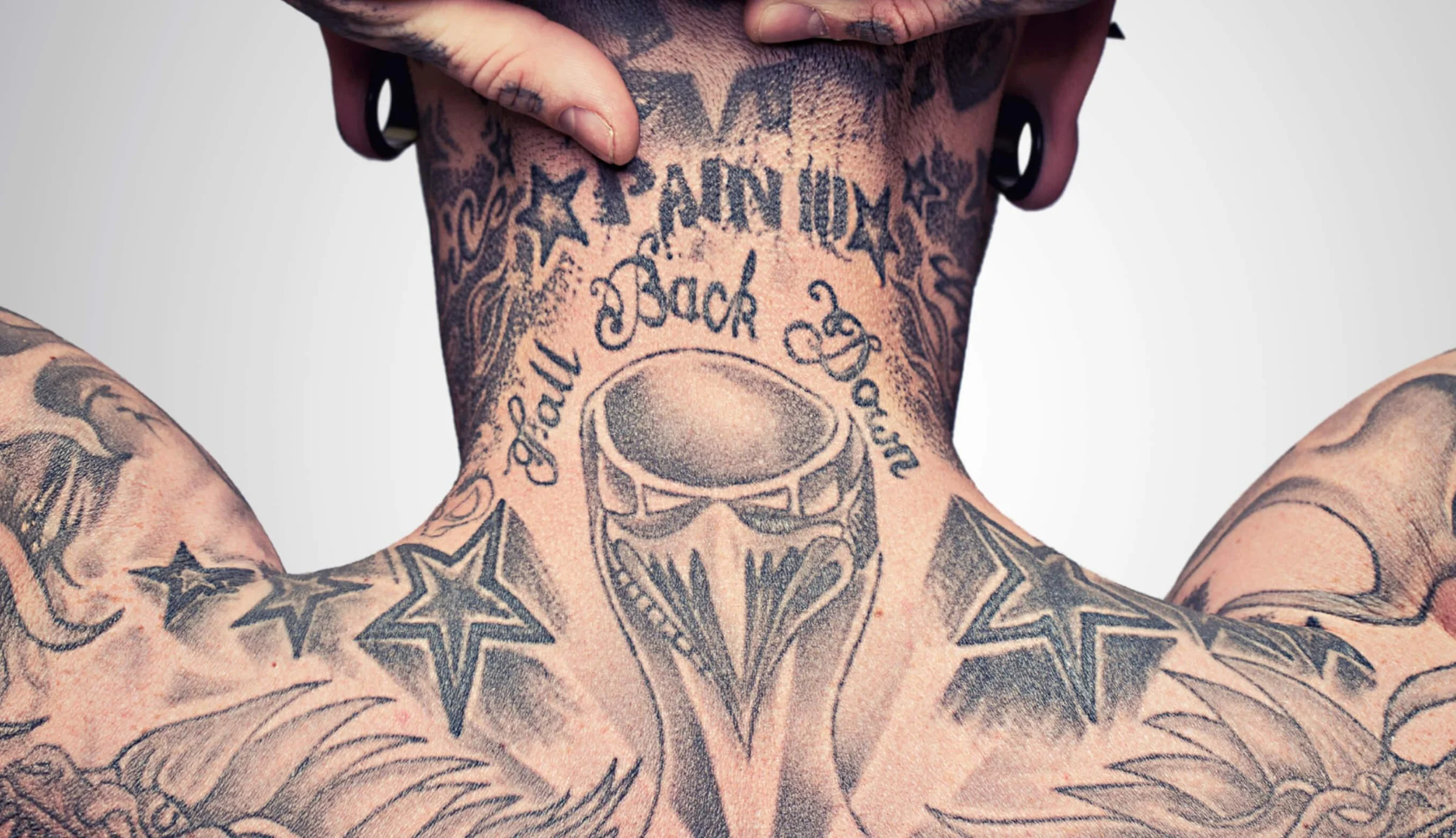
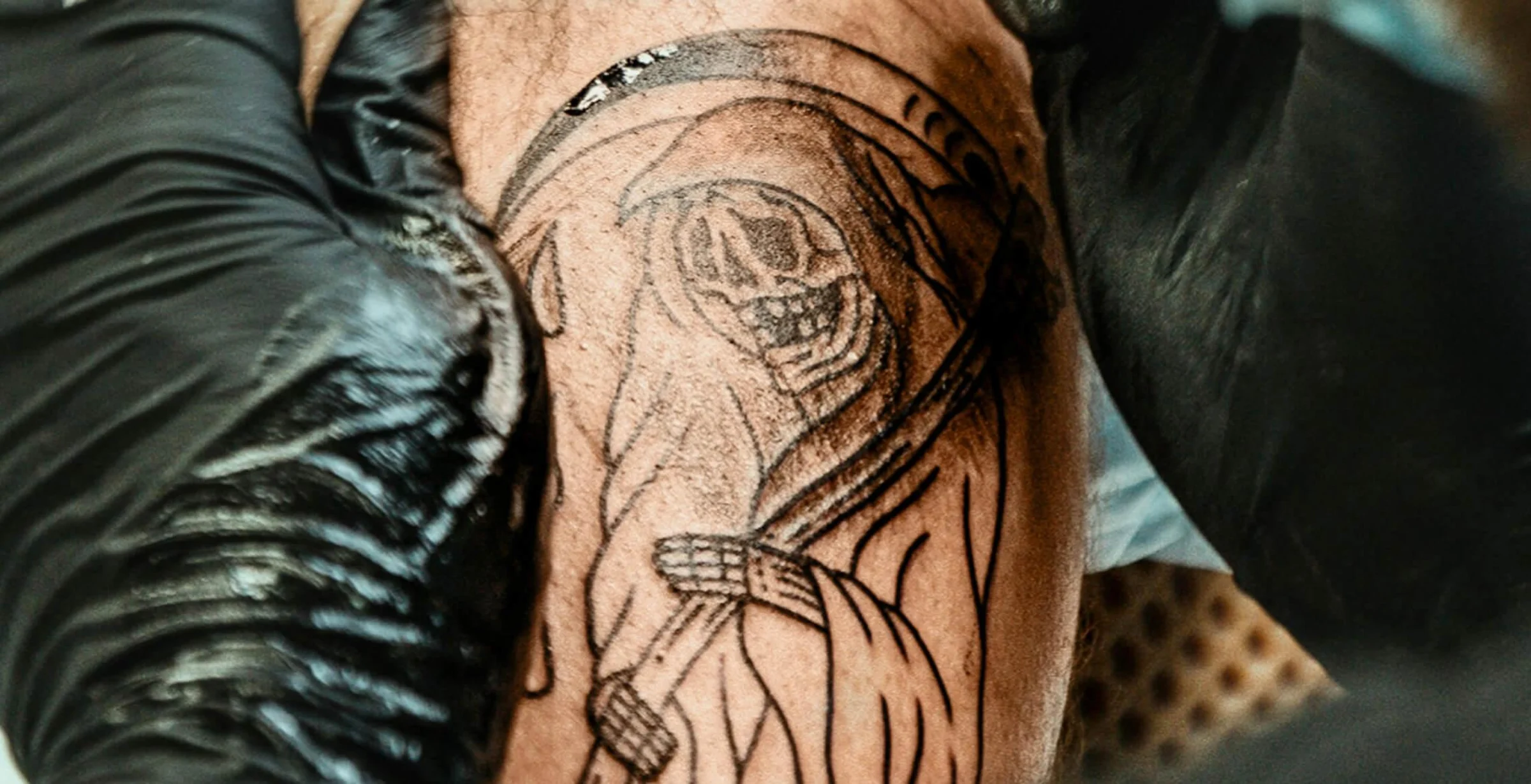
A cover-up means covering the old tattoo with a new design. The tattoo artist works the existing design into a larger, darker image. For many this initially sounds like a quick solution.
But cover-ups have their limits:
- Dark, strong colours needed: light and fine designs are hardly possible without tattoo lightening.
- Often significantly larger designs: the new tattoo is usually two to three times as large as the old one.
- Risk of show-through: with very dark or large tattoos, the old design remains partly visible.
Cover-ups can create great works of art, but they tie you permanently to a design once again. For anyone who longs for pure, natural skin in the long term, a cover-up is rarely the final solution.
Removing a tattoo with a laser – the path to natural skin
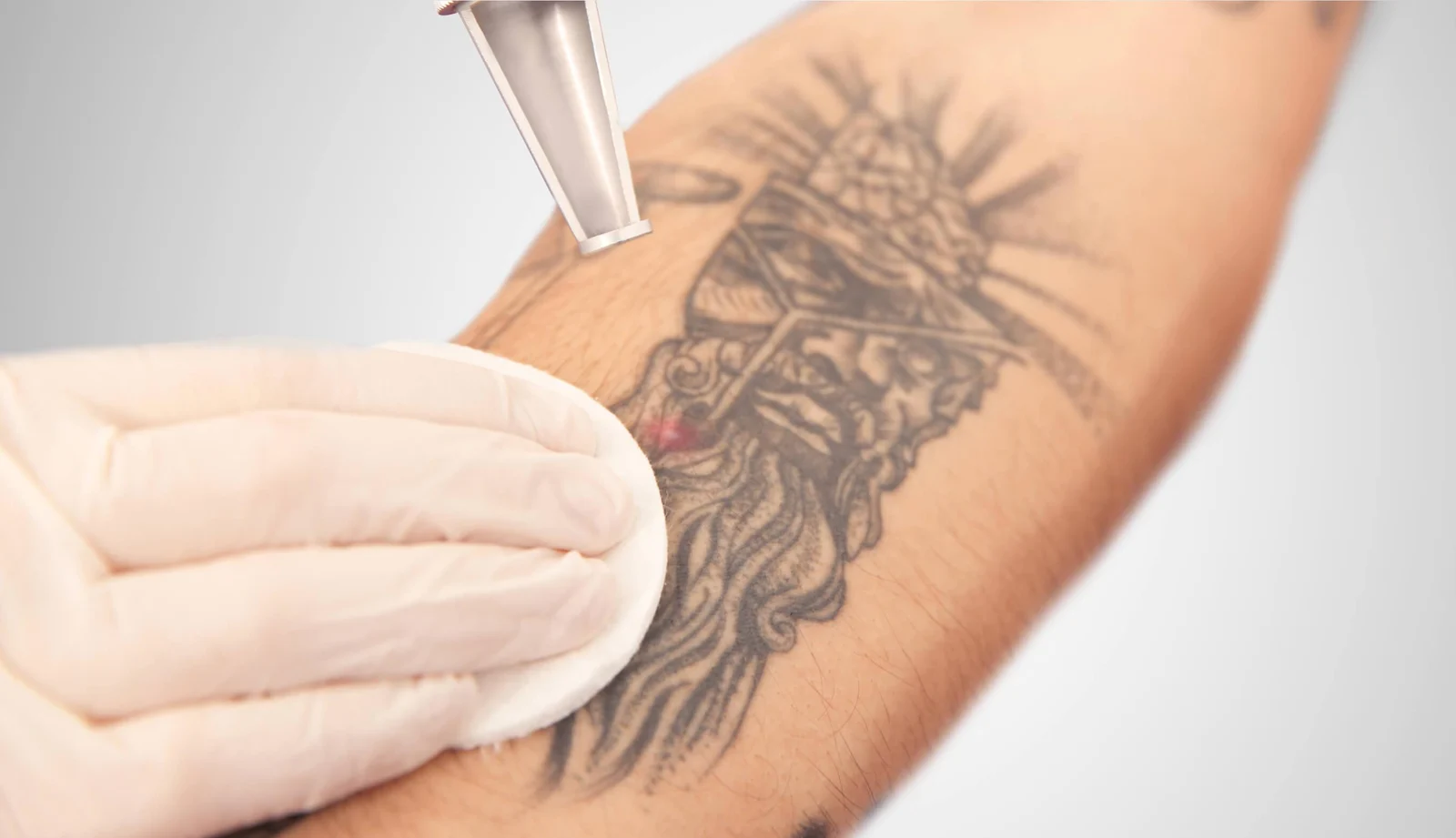
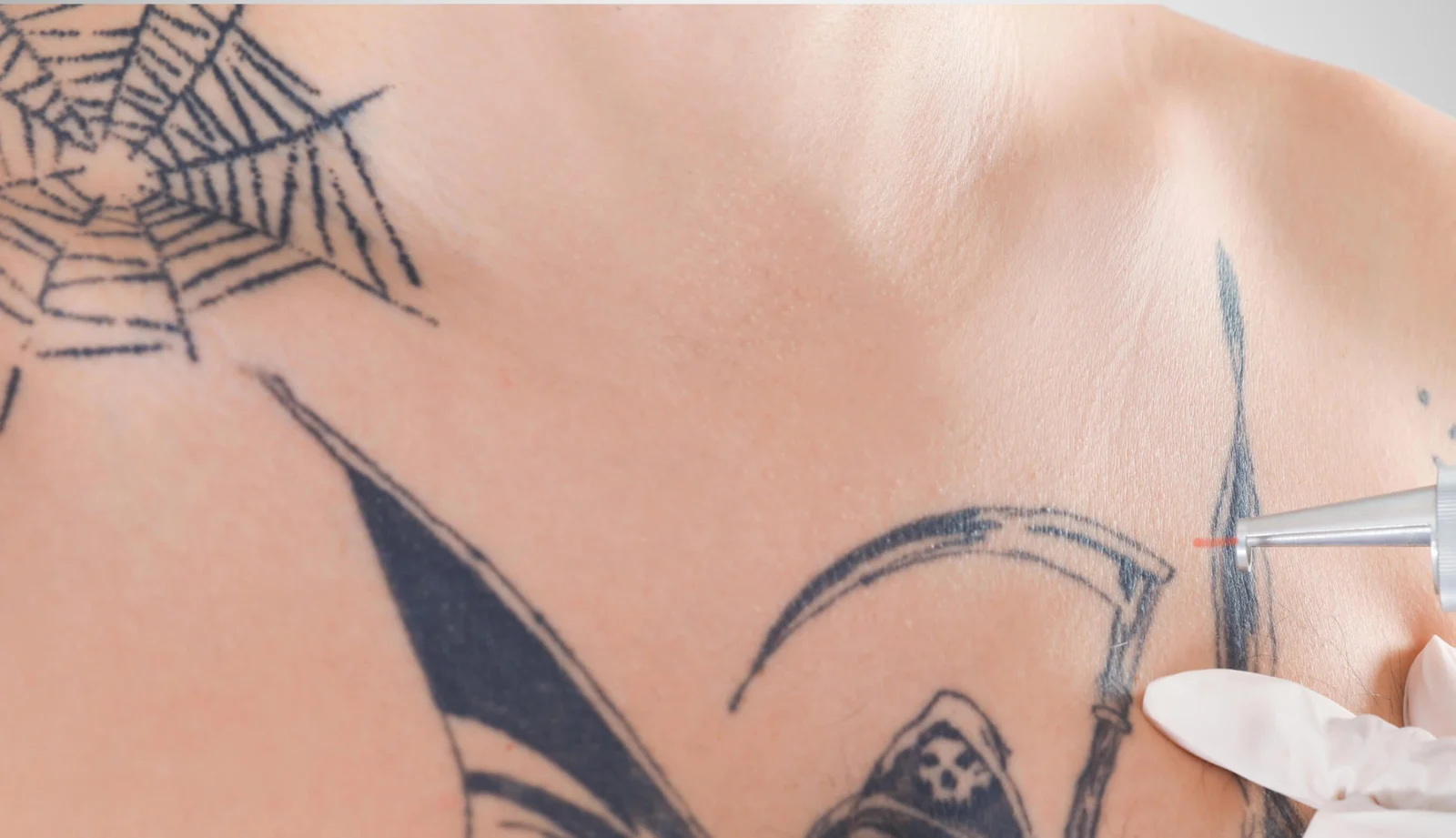
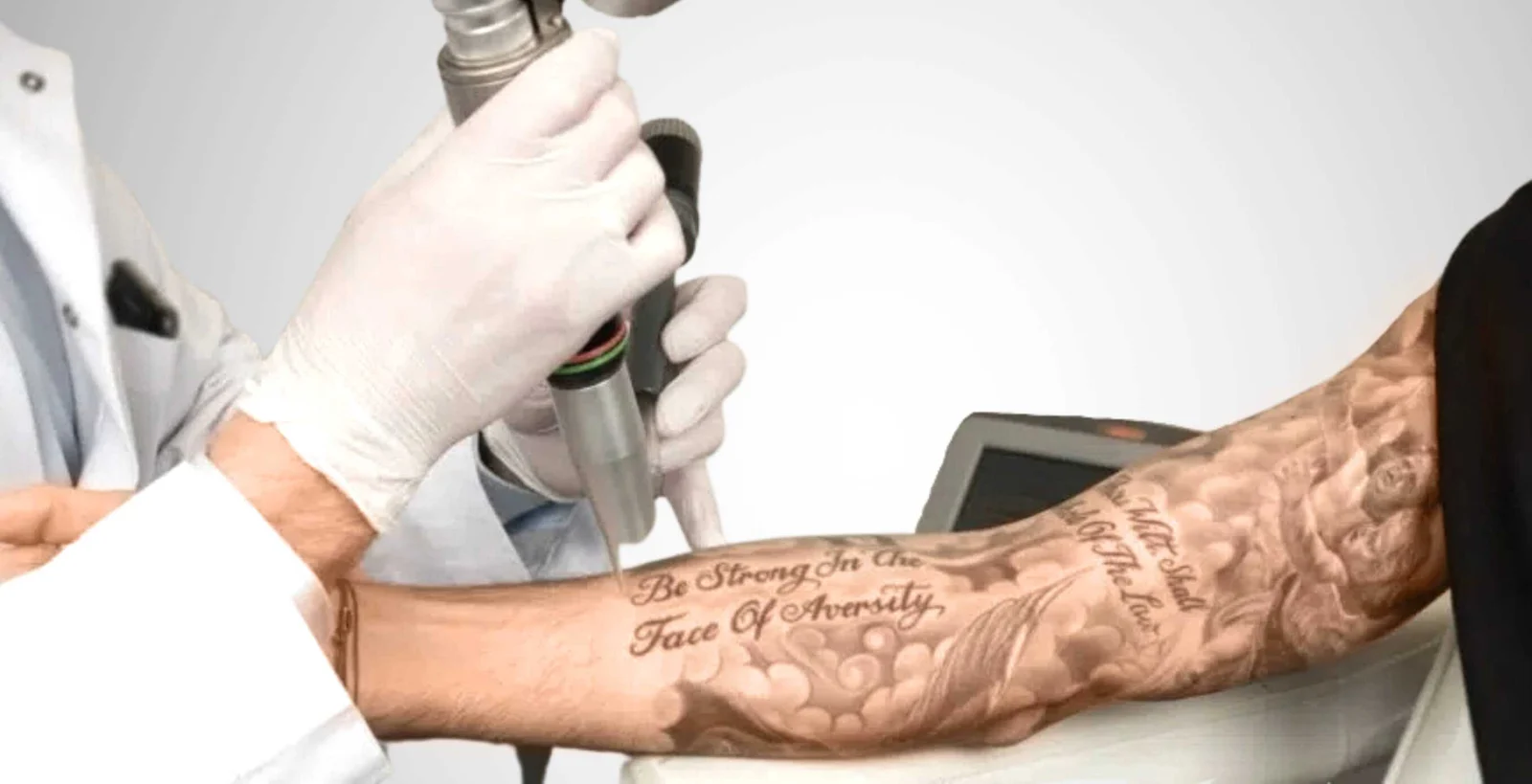
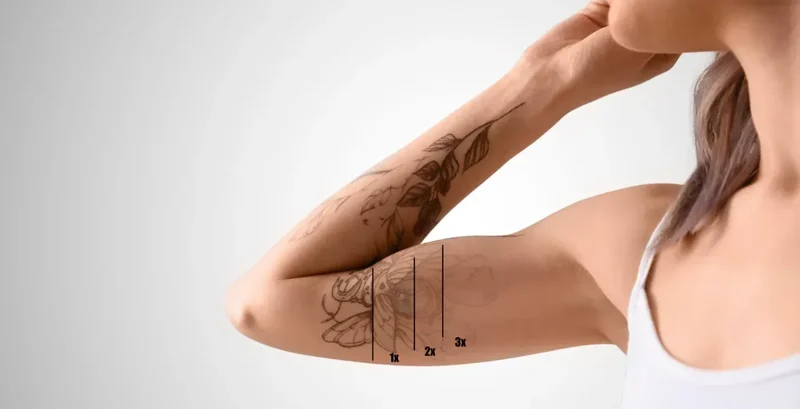
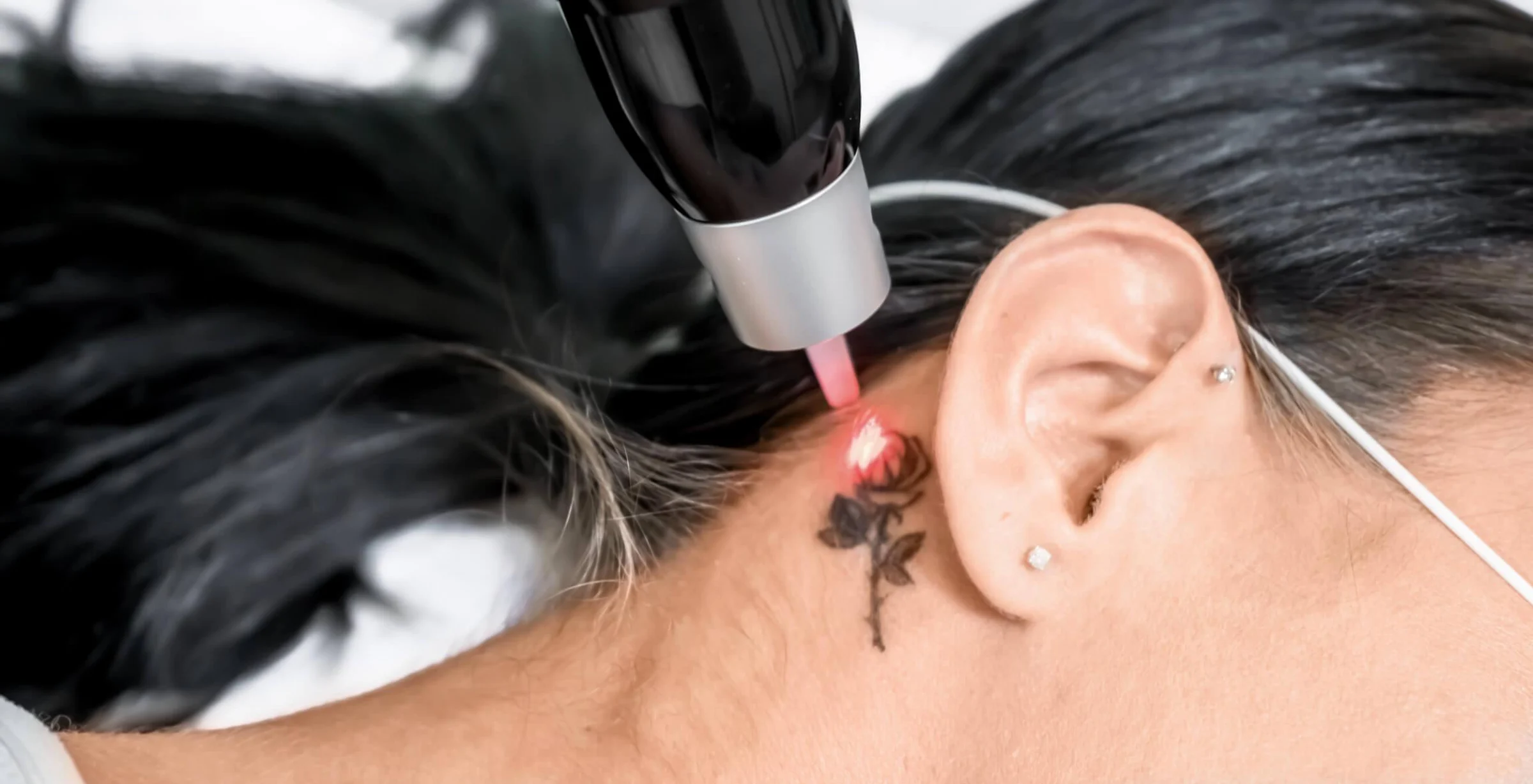
Laser tattoo removal offers the chance to let an unloved tattoo fade bit by bit or disappear completely.
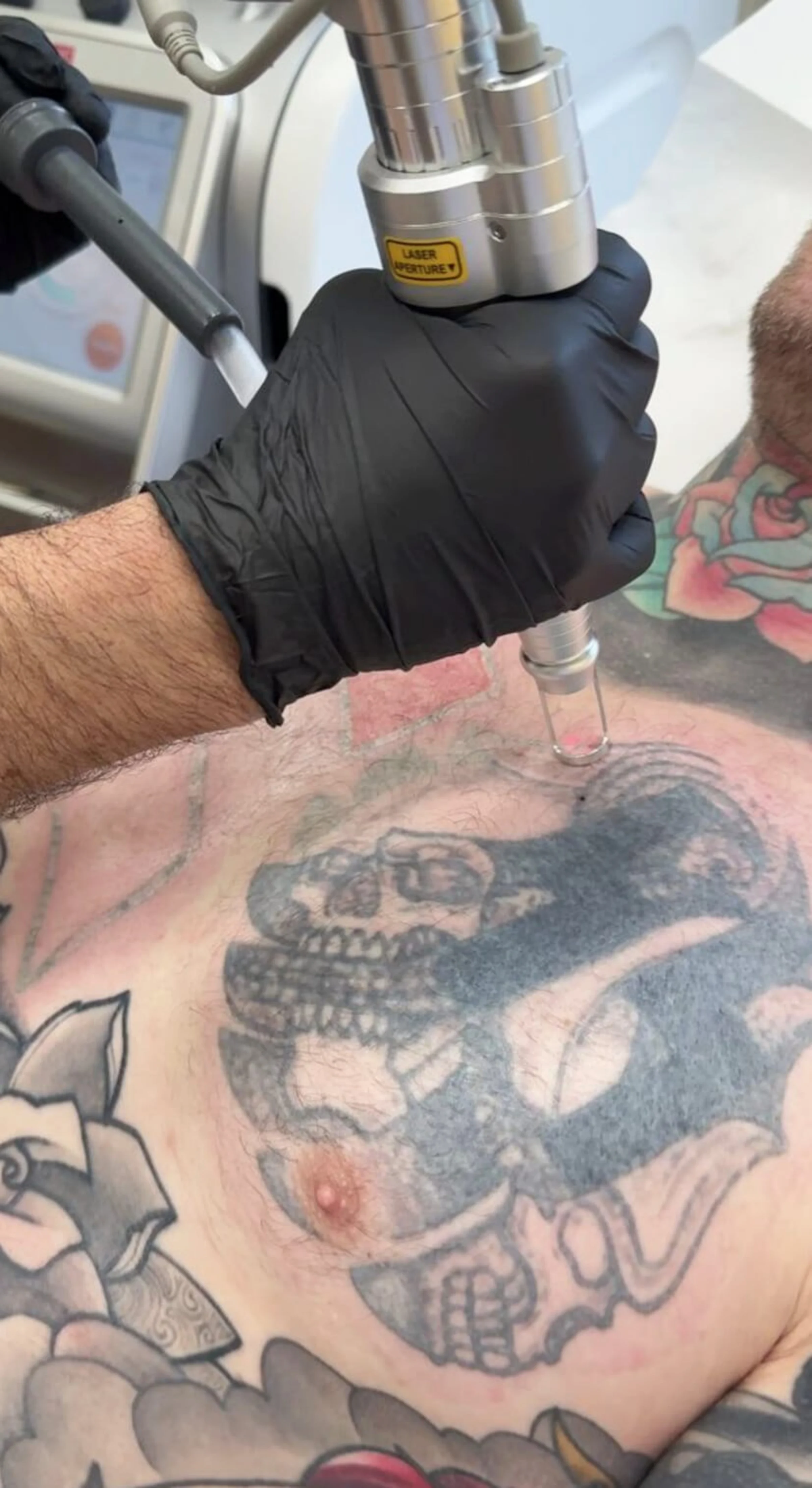
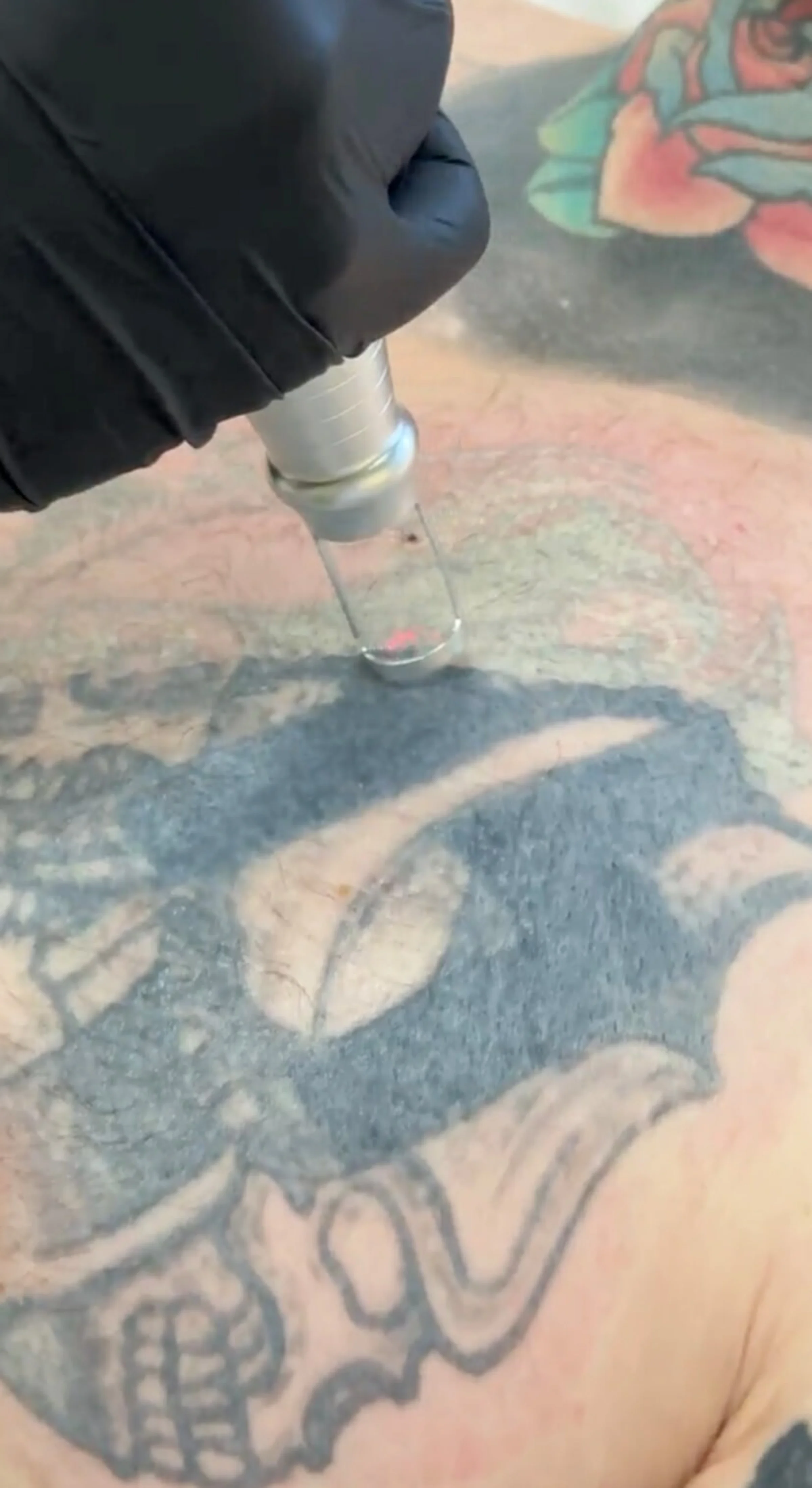
Dermacare Vienna relies on the modern PicoPlus laser, which works with four different wavelengths. This allows almost all colours, even green and blue, to be treated effectively.
The benefits:
- Gentle treatment: the skin is not injured, the colour pigments are broken down in a targeted way.
- Individual results: whether complete removal or targeted lightening – you decide.
- Flexibility for the future: after lightening, a new tattoo can be done without the old outlines showing through.
For many patients, laser treatment is the only way to get rid of a tattoo 100% and restore natural skin. Skin free of symbols, colours and memories.
Laser vs. cover-up – which suits you better?
The decision depends strongly on your personal goals:
- If you want to make room for a new design, a cover-up can be a solution. In most cases, however, it makes sense to have the old tattoo lightened with the laser beforehand. This gives the tattoo artist more freedom for fine lines, light colours and creative designs.
- If you want to see your skin completely “clean” again, there is no way around the laser. Only this method can remove tattoos permanently and bring the skin back bit by bit to its natural appearance.
Many clients at Dermacare Vienna opt for a combination: first let the old tattoo fade with the laser, then have a professional cover-up done, or continue the treatment until the skin is completely free again.
An emotional decision with long-term impact
A tattoo accompanies you day after day. It is not just a drawing on the skin, but often a reflection of phases of life, relationships or spontaneous decisions. If you feel today that this image no longer suits you, that is perfectly fine.
What matters is to choose a solution that makes you feel good in the long term, whether through the freedom of tattoo-free skin or through a new work of art that continues your story.
Conclusion – your path at Dermacare Vienna
Whether covering up a tattoo or removing a tattoo with the laser: the decision is as individual as the design itself. Dermacare Vienna accompanies you on this path with modern technology, many years of experience and empathetic advice.
Together we will find out whether a cover-up with prior lightening or complete removal is the better choice for you.
Arrange a consultation at Dermacare Vienna now and take the first step towards natural, tattoo-free skin.
Frequently asked questions
The treatment can feel uncomfortable, similar to a brief, intense stinging sensation. However, many patients find it easy to bear. On request, a numbing cream can be used to make the treatment more comfortable.
The number of sessions depends on several factors, including the colour, depth, size and age of the tattoo. The aim is not always complete removal, but sufficient lightening. Often just a few sessions are enough to create an ideal basis for the cover-up tattoo.
Yes, pain can also occur during tattoo removal, depending on the sensitivity of the person and the area. The feeling is roughly comparable to that during tattooing.