In brief
- Acne scars develop when deep inflammation destroys tissue and irregular connective tissue forms during healing.
- Treatment options include fractional CO₂ laser, radiofrequency microneedling, classic microneedling, chemical peels and microdermabrasion.
- Which method is suitable depends on the skin's appearance, scar depth and personal goals; combinations are also possible.
- A professional skin analysis and a consultation are the basis for choosing the method.
Having acne scars treated is, for many people, more than just a cosmetic concern. The scars recall a distressing time with inflammatory acne and troubled skin. Even when the acne healed long ago, visible and tangible traces often remain permanently.
But modern aesthetic medicine now offers a wide range of options to treat acne scars in a targeted way and to improve the skin's appearance lastingly.
How do acne scars develop?
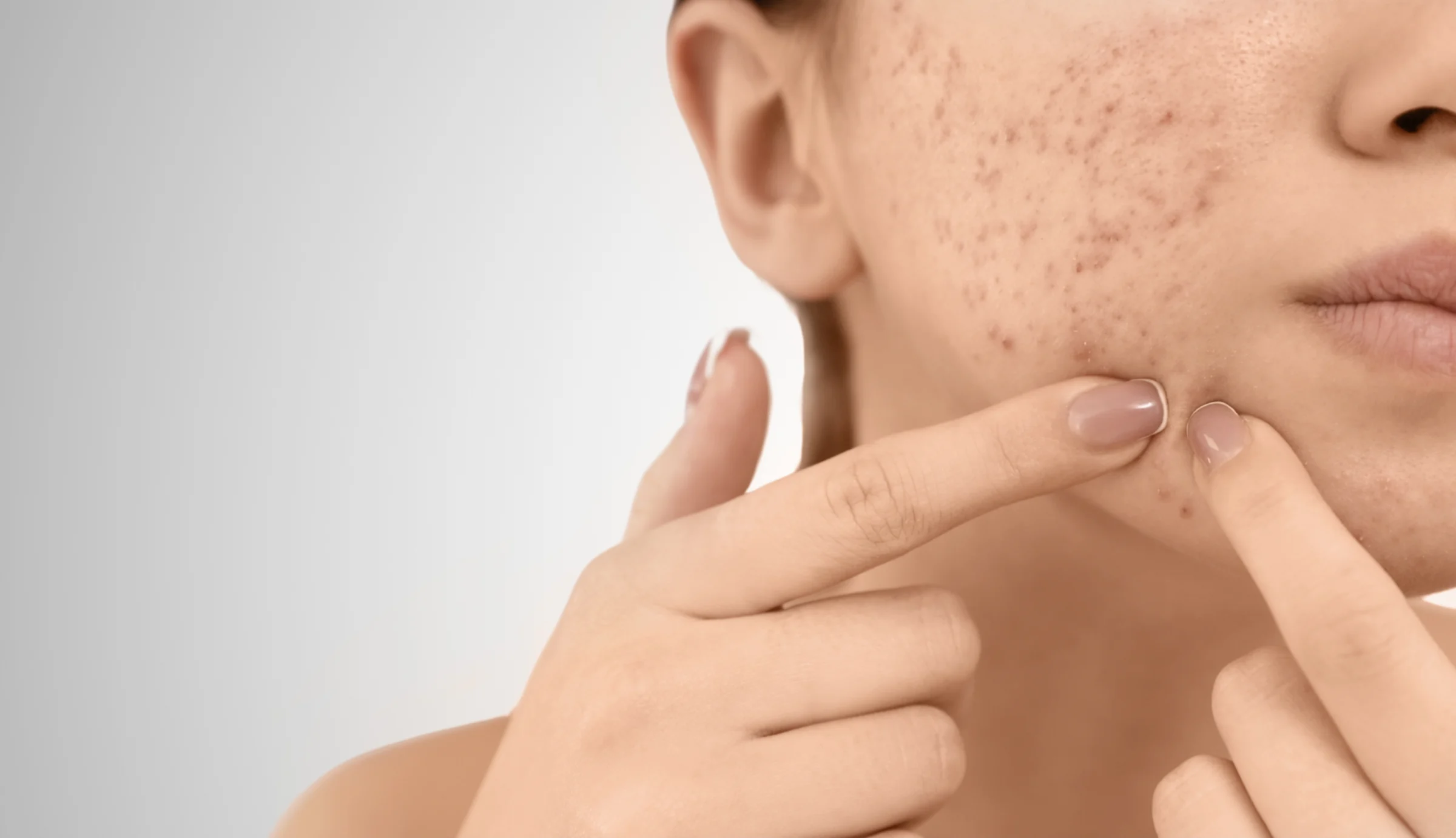
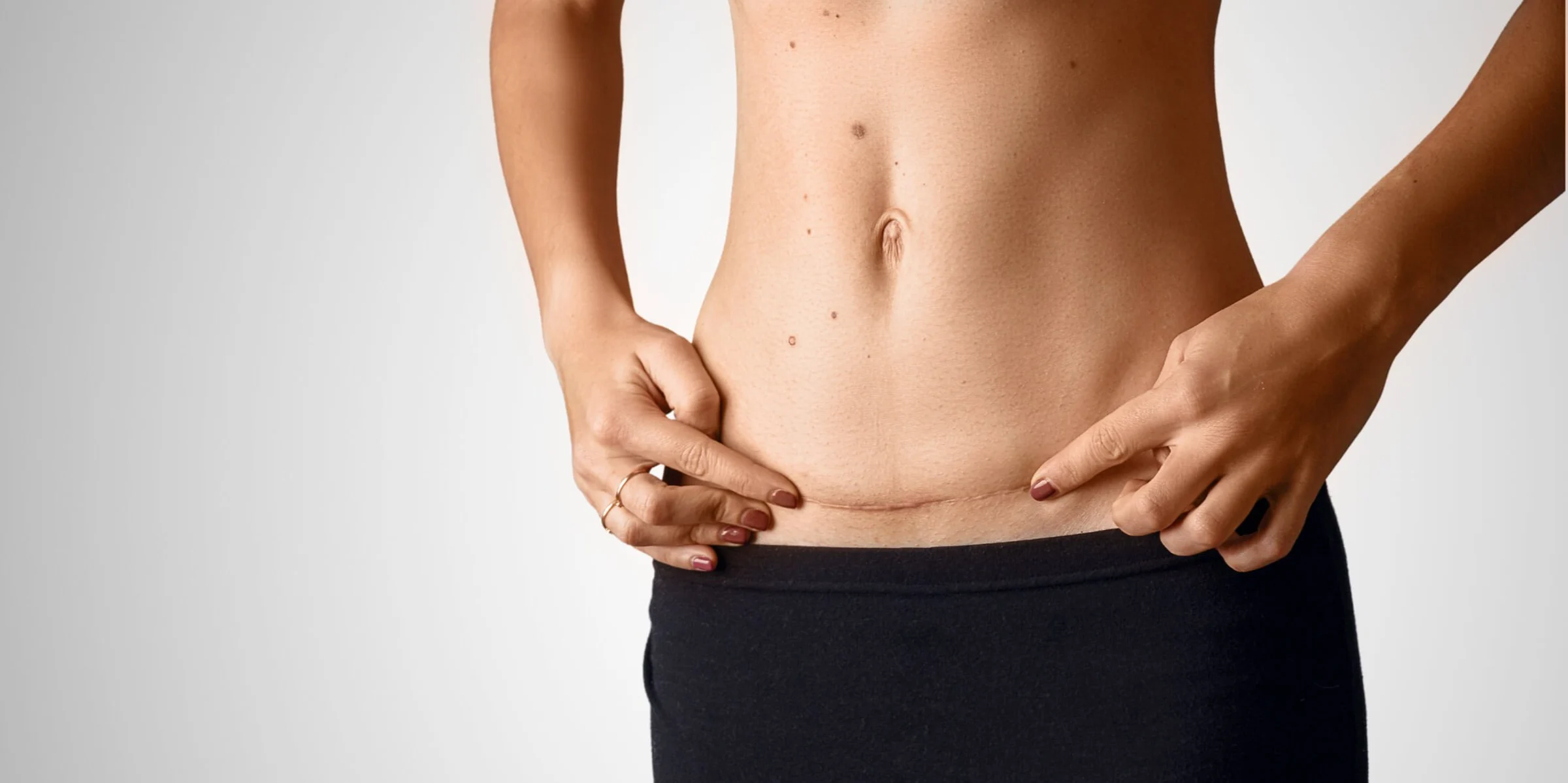
When inflammatory processes in acne penetrate deep into the skin, they can destroy the surrounding tissue. During healing, new connective tissue is formed – but often irregularly. Scars develop, which can be flat, indented or raised.
So-called atrophic scars, in which the skin appears sunken, are particularly common. But regardless of the shape: anyone who wants to treat acne scars now has various methods to choose from, which can be tailored individually to the skin type and the scar pattern.
Treating acne scars: these methods really help
Fractional CO₂ laser
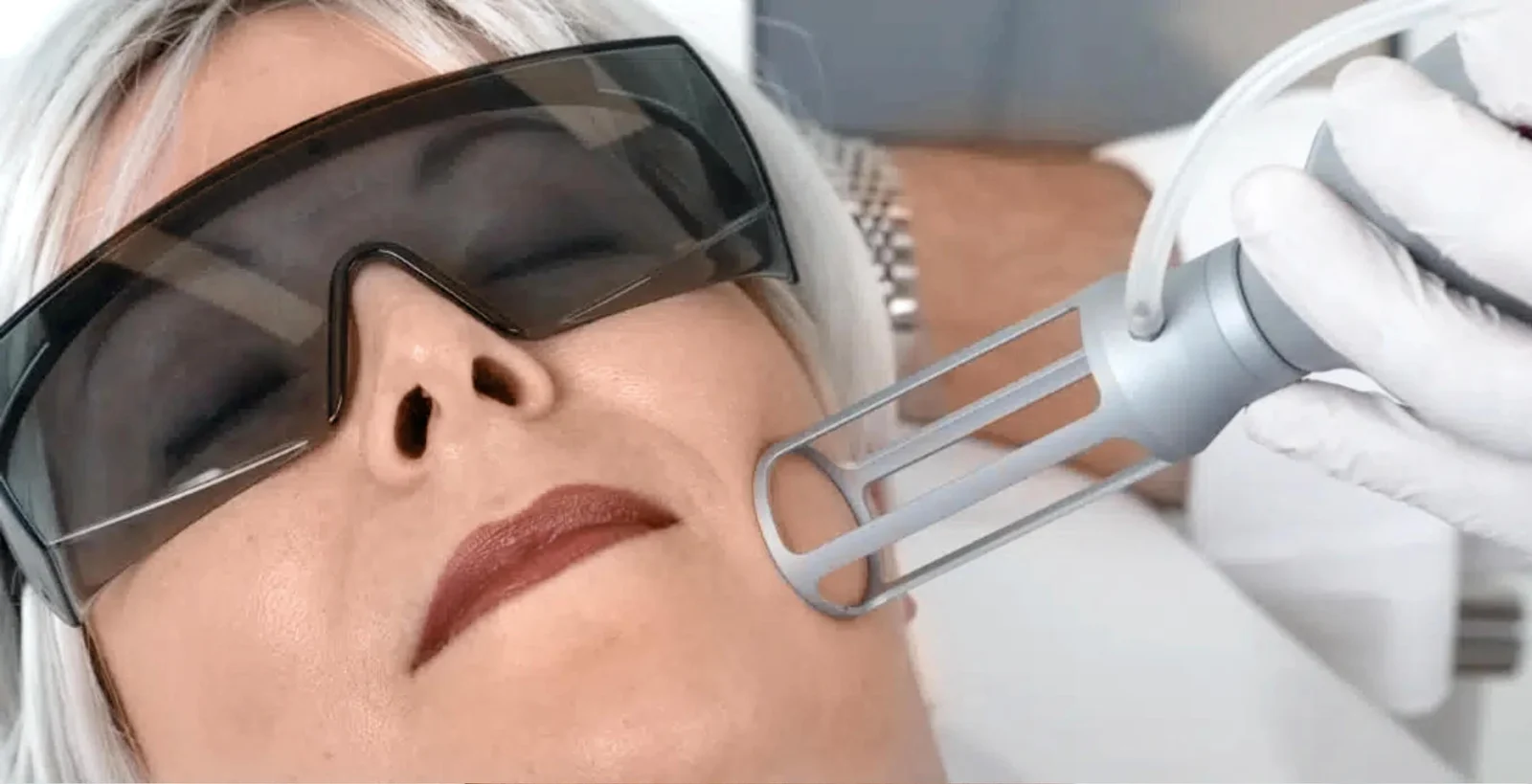
One of the most modern and effective methods for treating acne scars is fractional CO₂ laser therapy. It creates microscopically small channels in the skin in a targeted way, which stimulate the body's own regeneration.
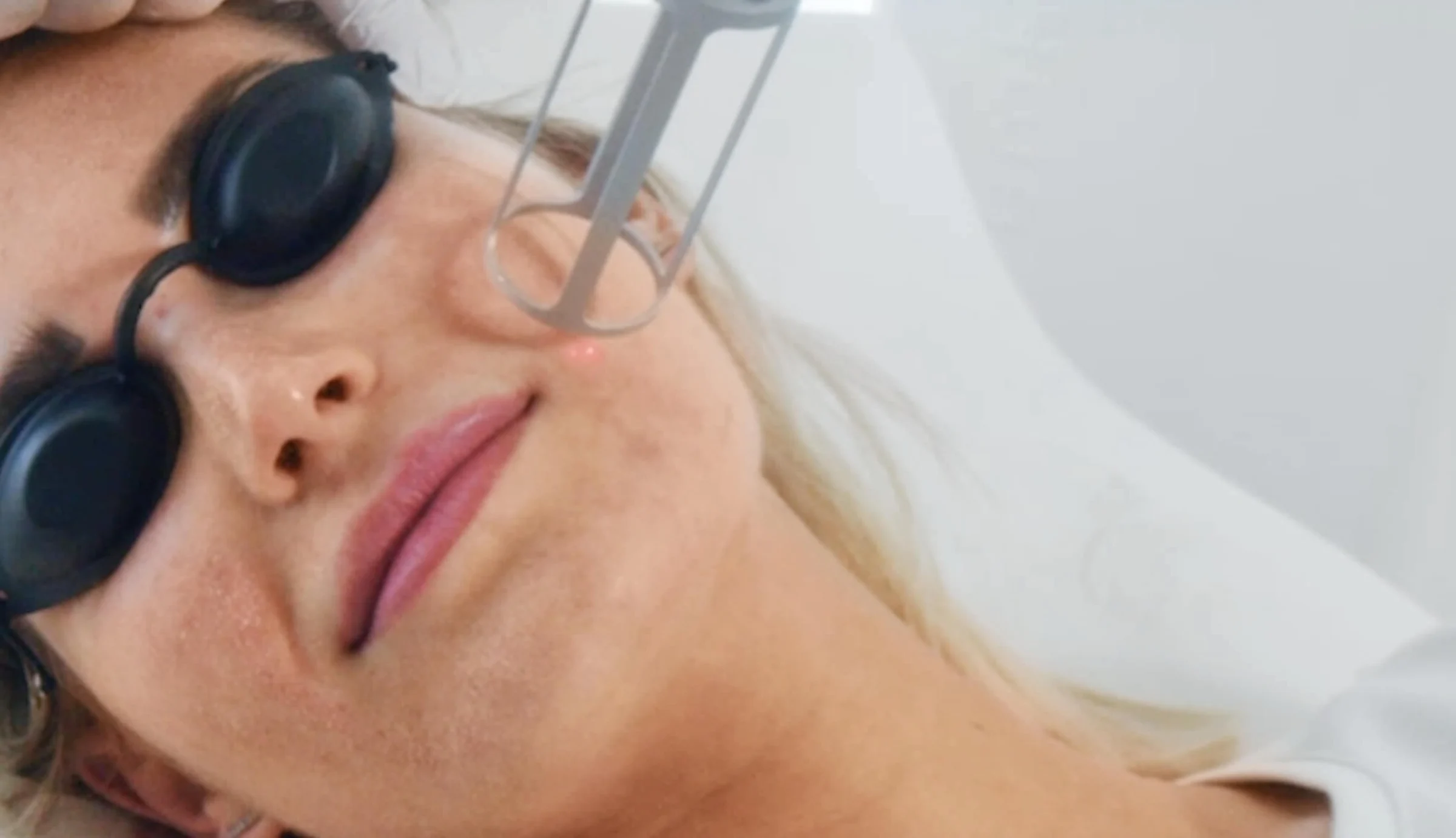
Through the heat pulses deep in the skin, the skin forms new collagen, which provides
➞ more firmness
➞ a smoothed surface.
This method is particularly suitable for deep scars and often shows visible success after just a few treatments.
Radiofrequency microneedling for acne scars
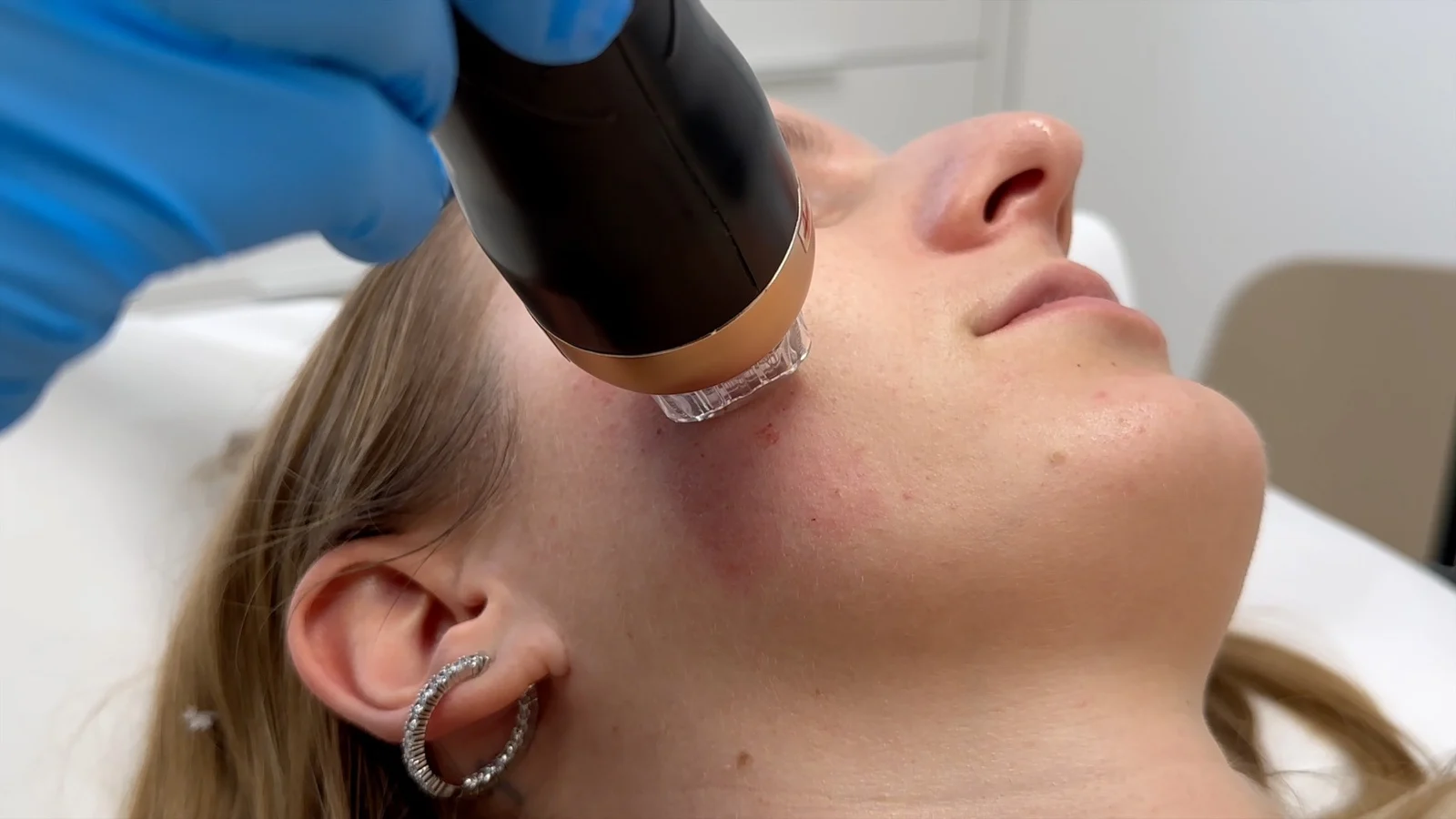
This innovative combination therapy combines two proven technologies: fine needles penetrate the skin while radiofrequency energy is delivered at depth at the same time. The result is an intensive stimulation of skin renewal and a targeted restructuring of the scar tissue.
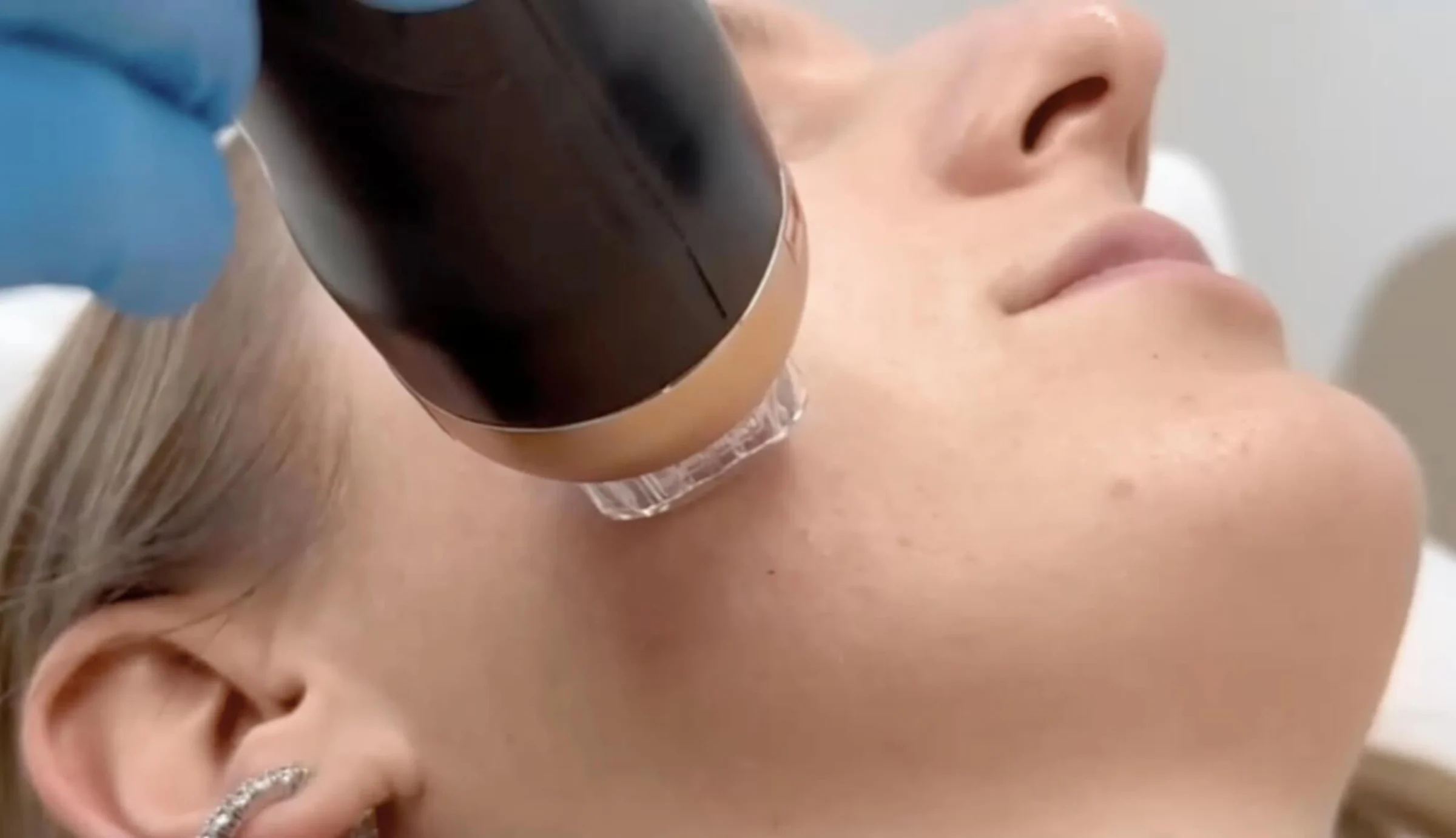
Radiofrequency microneedling is particularly suitable for patients who want a deep-acting but gentle treatment. Thanks to short downtime and high effectiveness, this method is growing in popularity.
Classic microneedling
With microneedling without radiofrequency, fine needles are also used, which minimally injure the top layer of skin. This targeted stimulation prompts the formation of new collagen and elastin. The skin structure improves step by step, and the scar pattern becomes softer and more even.
Microneedling is particularly effective for shallower acne scars and, depending on the condition of the skin, can be repeated several times. Combined with special active ingredients, the effect can be intensified further.
Chemical peels
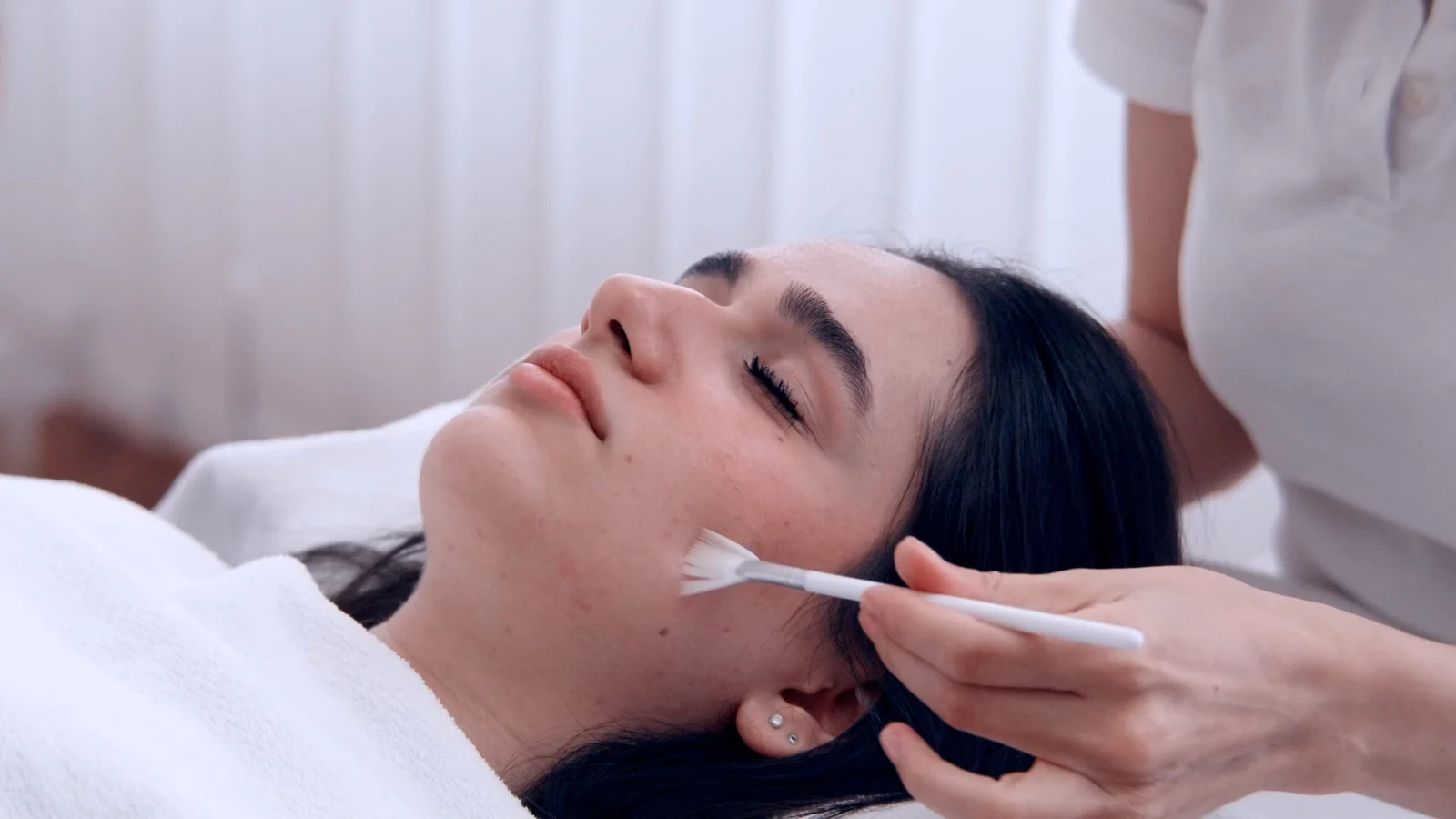
Chemical peels with fruit acids or trichloroacetic acid (TCA) support the controlled shedding of the top layers of skin and thus promote natural cell renewal. Pigment spots and irregularities in the skin's appearance are visibly reduced, and the skin looks smoother, fresher and more even.
Anyone who wants to treat acne scars and suffers from superficial scars or post-acne marks often benefits clearly from this method. Chemical peels can also be combined excellently with other treatments – such as laser or microneedling therapies – and can thus specifically enhance their effect.
Microdermabrasion
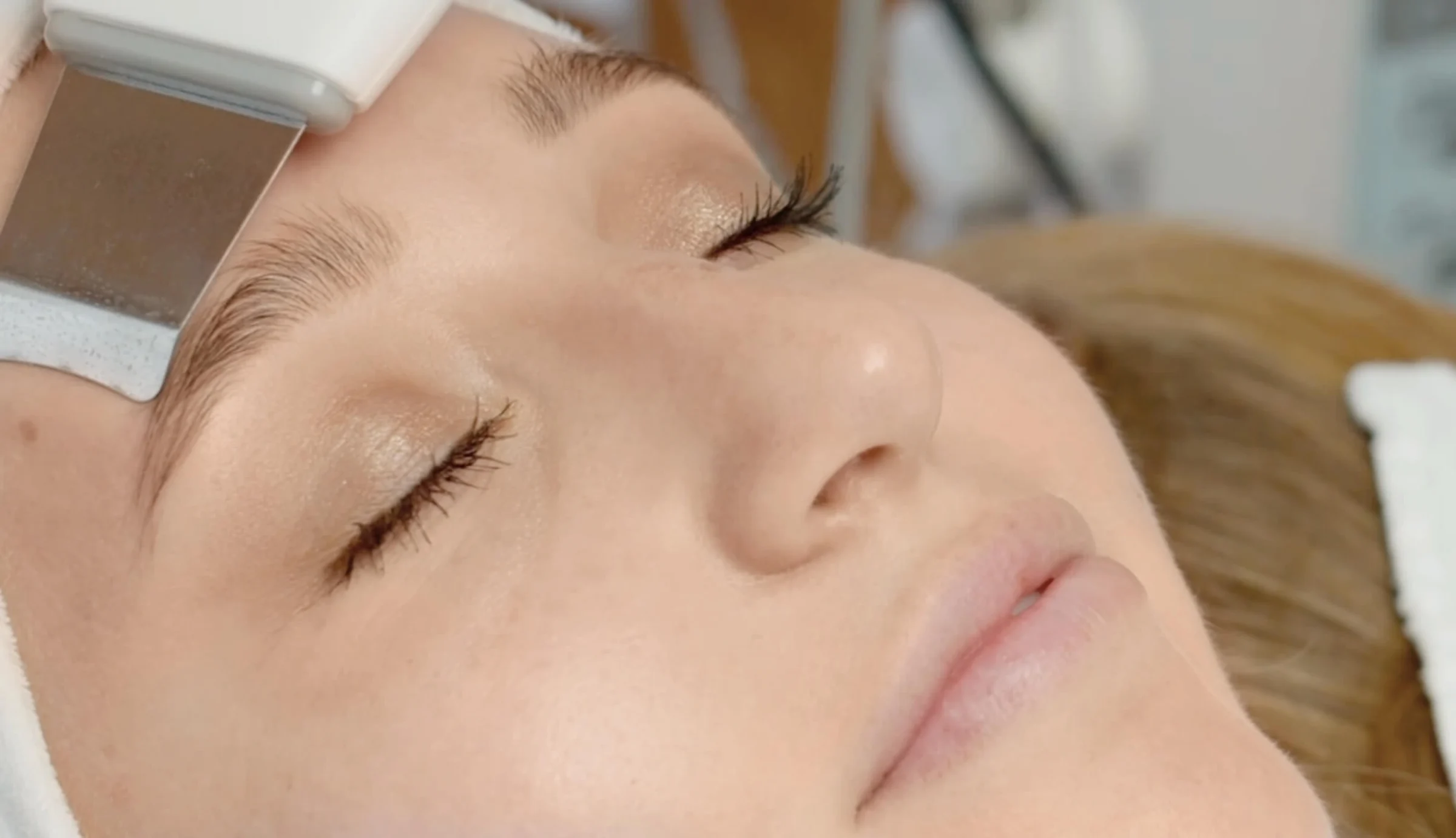
This mechanical peeling method gently removes the top layer of skin using fine crystals or diamond tips. This not only makes the skin smoother but also improves its blood circulation and makes it more receptive to nourishing active ingredients.
With regular use, superficial scars and hardened skin (keratinisation) can be visibly reduced. The microdermabrasion we offer is also suitable as a preparatory measure before more intensive treatments.
The right method for your skin
Which method is best suited depends on the individual skin appearance, scar depth and personal goals. That is why a professional skin analysis is crucial.
In a detailed consultation it is determined whether a fractional laser, microneedling or a combination of different procedures offers the best solution. Particularly effective results can often be achieved with individually tailored treatment plans – gentle, lasting and kind to the skin.
For a new feeling in your skin
You no longer have to live with acne scars. Anyone who wants smooth, even skin has the opportunity to help things along in a targeted way with our medical methods. Anyone who has acne scars treated invests not only in their appearance but also in a new feeling of lightness and self-confidence.
Professional treatments such as those offered at Dermacare Vienna combine medical know-how with state-of-the-art technology. Whether laser, microneedling or peel, every method aims to improve the skin structure, visibly soften scars and give you a new feeling in your skin.
Frequently asked questions
Yes, deeper acne scars can also be significantly improved with the CO2 laser. The laser penetrates the skin in a targeted way, stimulates collagen production and supports the regeneration of scar tissue. In this way, sunken or deeply marked scars are visibly smoothed. Depending on the depth of the scars, several sessions are often needed to achieve an optimal result, but today the treatment offers one of the most effective methods to permanently reduce acne scars and significantly improve the appearance of the skin.
RF Microneedling at Dermacare Vienna is an innovative skin treatment that combines microneedling with radiofrequency energy. This method stimulates the skin to produce collagen and elastin, resulting in firmer and smoother skin.