

In brief
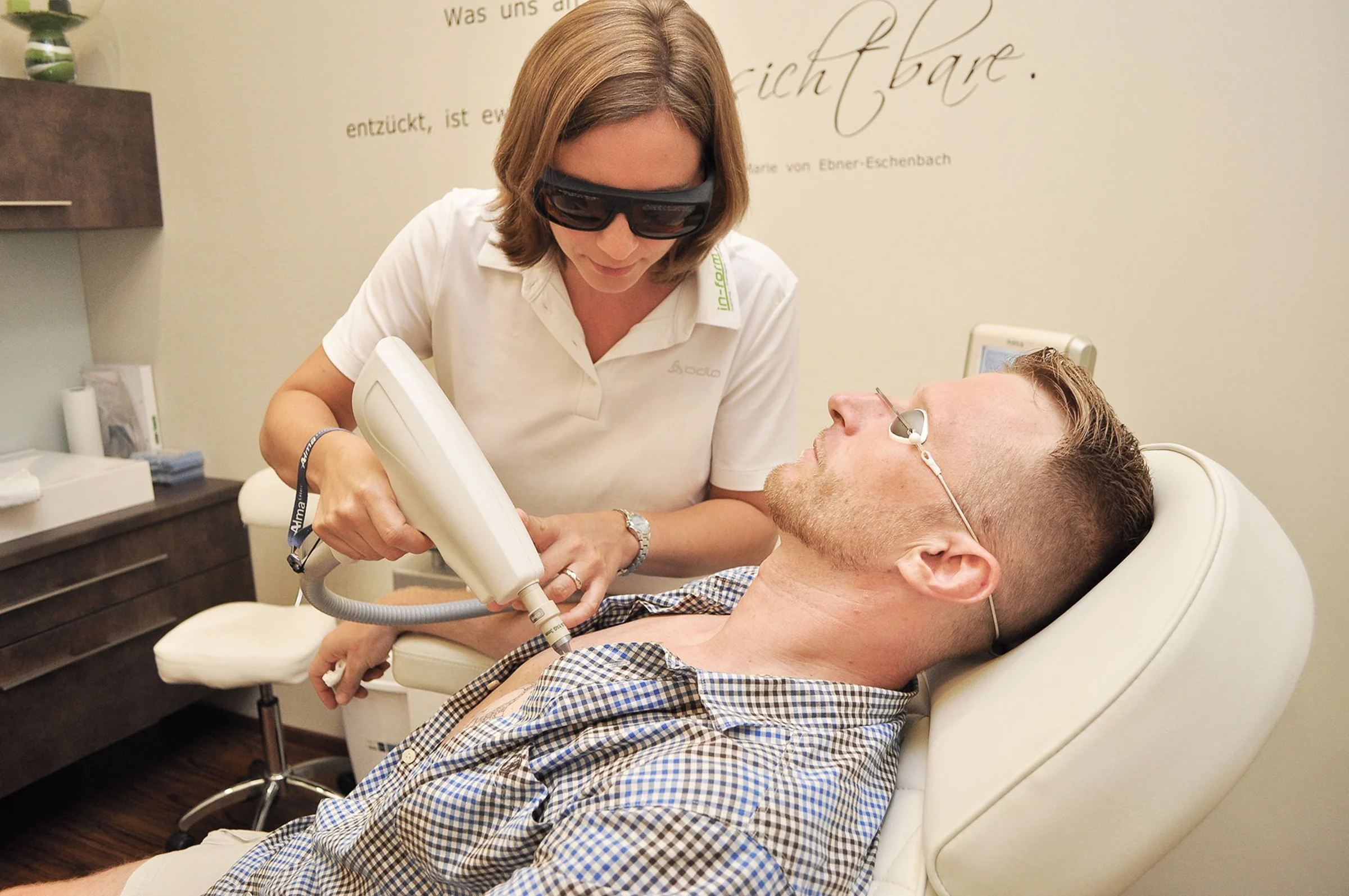
- In the interview, dermatologist Dr Lämmerhirt explains tattoo removal with the Nd:YAG laser, which may only be performed by doctors.
- After treatment, the area should be treated like a graze, and the sun should be avoided for at least two weeks.
- According to the interview, 8 to 10 treatments are needed on average, with an interval of at least four weeks.
- The skin can be more sensitive for a few weeks, temporary pigment changes are possible, and scars can remain where there is friction.
In the following interview, the Dermacare dermatologist answers frequently asked questions about tattoo removal with laser.
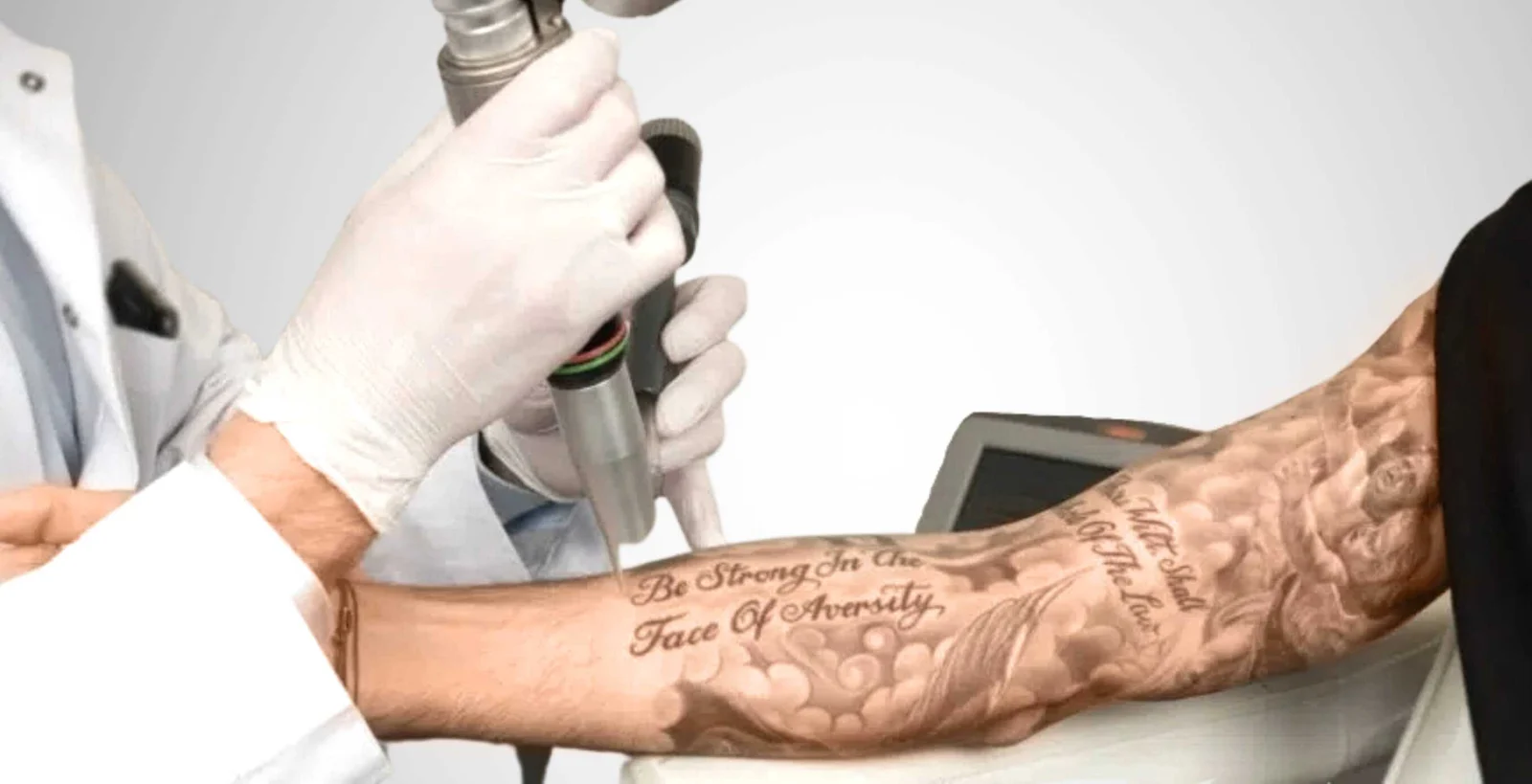
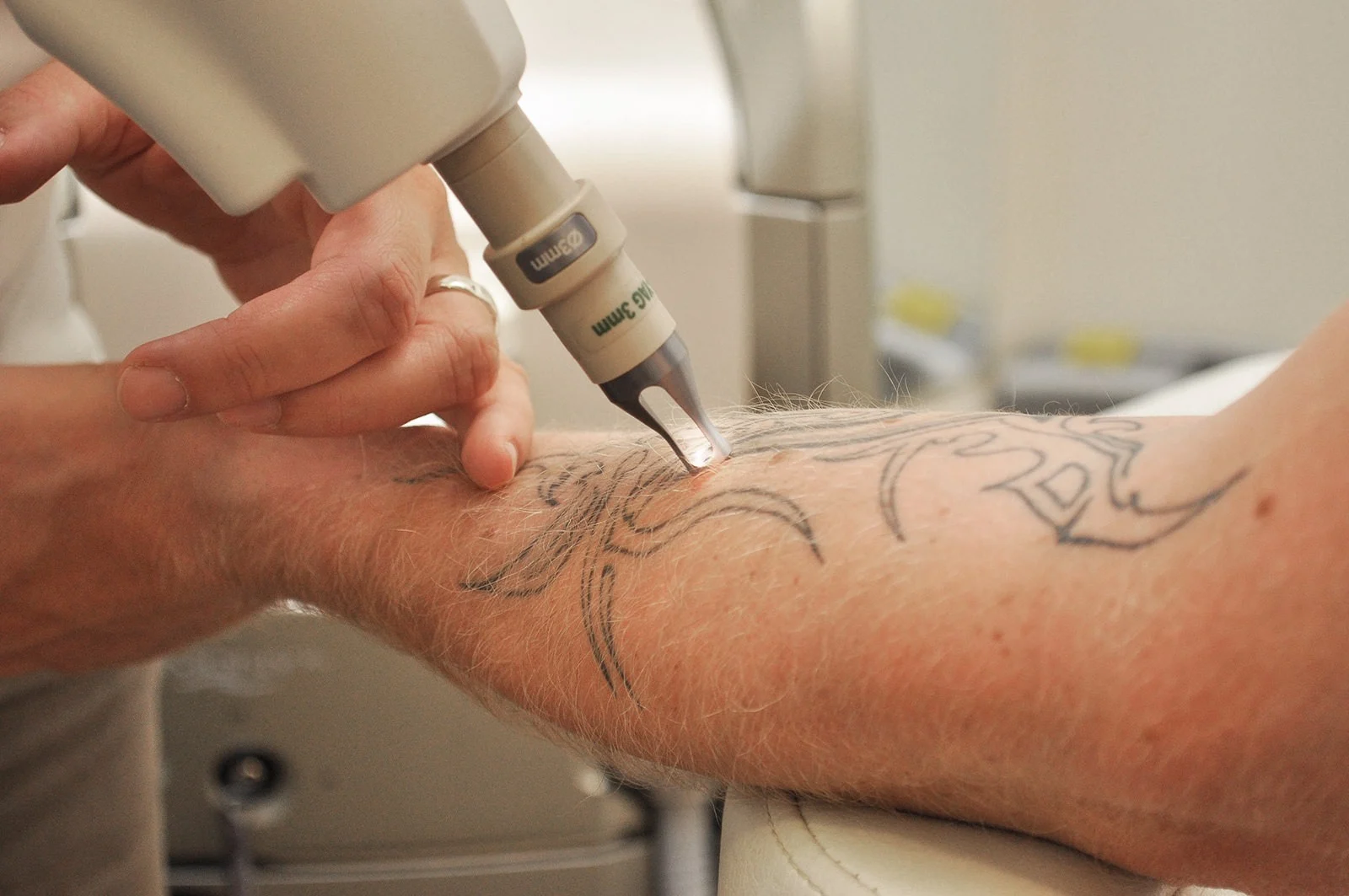
Tattoo removal at Dermacare is carried out with the state-of-the-art Nd:YAG laser by experienced doctors such as Dr Julia Lämmerhirt.
Interview about tattoo removal at Dermacare
Is complete removal of tattoos possible?
Dr Lämmerhirt: In principle this is possible with the Nd:YAG laser, but it requires the patient to follow the aftercare instructions.
What are these instructions?
Dr Lämmerhirt: Immediately after the treatment, the treated area should be treated like a superficial graze, i.e. it should not get wet and should not be exposed to mechanical friction, excessive heat or extreme UV radiation.
How long after the treatment do you have to avoid the sun?
Dr Lämmerhirt: Depending on your skin type, you should be cautious with sun exposure for at least 2 weeks. It is also advisable to apply a very high sun protection factor (SPF 50) afterwards.
Can tattoo removal also be carried out in summer?
Dr Lämmerhirt: Yes, if, in addition to following the aftercare instructions, you do not expose the freshly treated area to extreme moisture and do not take hot baths.
How does the healing process go?
Dr Lämmerhirt: Especially at the beginning of the treatment series, crusts or occasionally blisters may form despite the low energy used in lasering. However, these almost always heal without scarring.
Who is allowed to carry out treatments with the Nd:YAG laser?
Dr Lämmerhirt: Tattoo removal with the Nd:YAG laser may only be carried out by dermatologists/doctors.
Can every colour be removed?
Dr Lämmerhirt: Yes. Even white can be removed very well with our laser. Red can be stubborn. There are fewer problems with yellow and green.
Can the tattoo be removed completely?
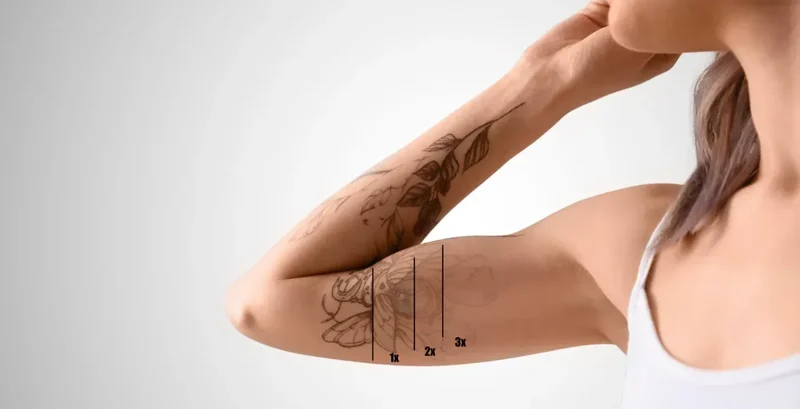
Dr Lämmerhirt: Yes, on average 8-10 treatments are required. The deeper the tattoo was done and the more ink was used, the more treatments are required.
Can scars remain?
Dr Lämmerhirt: Yes, especially on parts of the body such as the side of the neck, collar, shirt collar, lower abdomen, waistband of trousers/skirt, ankle area and footwear, where items of clothing cause chronic friction.
To prevent scarring, the treated area should be covered with a plaster during the healing process, or clothing that does not cause chronic friction should be chosen.
Should scars occur, however, these can also be treated. The approach has to be determined individually from case to case.
Is the skin changed in the treated areas? Lighter or darker, more sensitive, thinner?
Dr Lämmerhirt: In principle, the skin is changed after the treatment. It is more sensitive for a few weeks. Temporary pigment changes can also occur, i.e. the skin can be somewhat darker.
What is the minimum interval between 2 treatments?
Dr Lämmerhirt: 4 weeks. If the patient reacts sensitively, even longer. The treatment interval is to be tailored individually in order to achieve optimal results.
Dr Lämmerhirt, thank you very much for the interview!
Contact Dermacare
Are you interested in tattoo removal with laser, would you like to arrange a treatment or consultation appointment, or do you have further questions? Call us on +43 1 532 03 34, or contact us by email at info@dermacare.at to arrange a consultation or treatment appointment!
Frequently asked questions
The number of sessions depends on several factors, including the colour, depth, size and age of the tattoo. The aim is not always complete removal, but sufficient lightening. Often just a few sessions are enough to create an ideal basis for the cover-up tattoo.
Yes, pain can also occur during tattoo removal, depending on the sensitivity of the person and the area. The feeling is roughly comparable to that during tattooing.
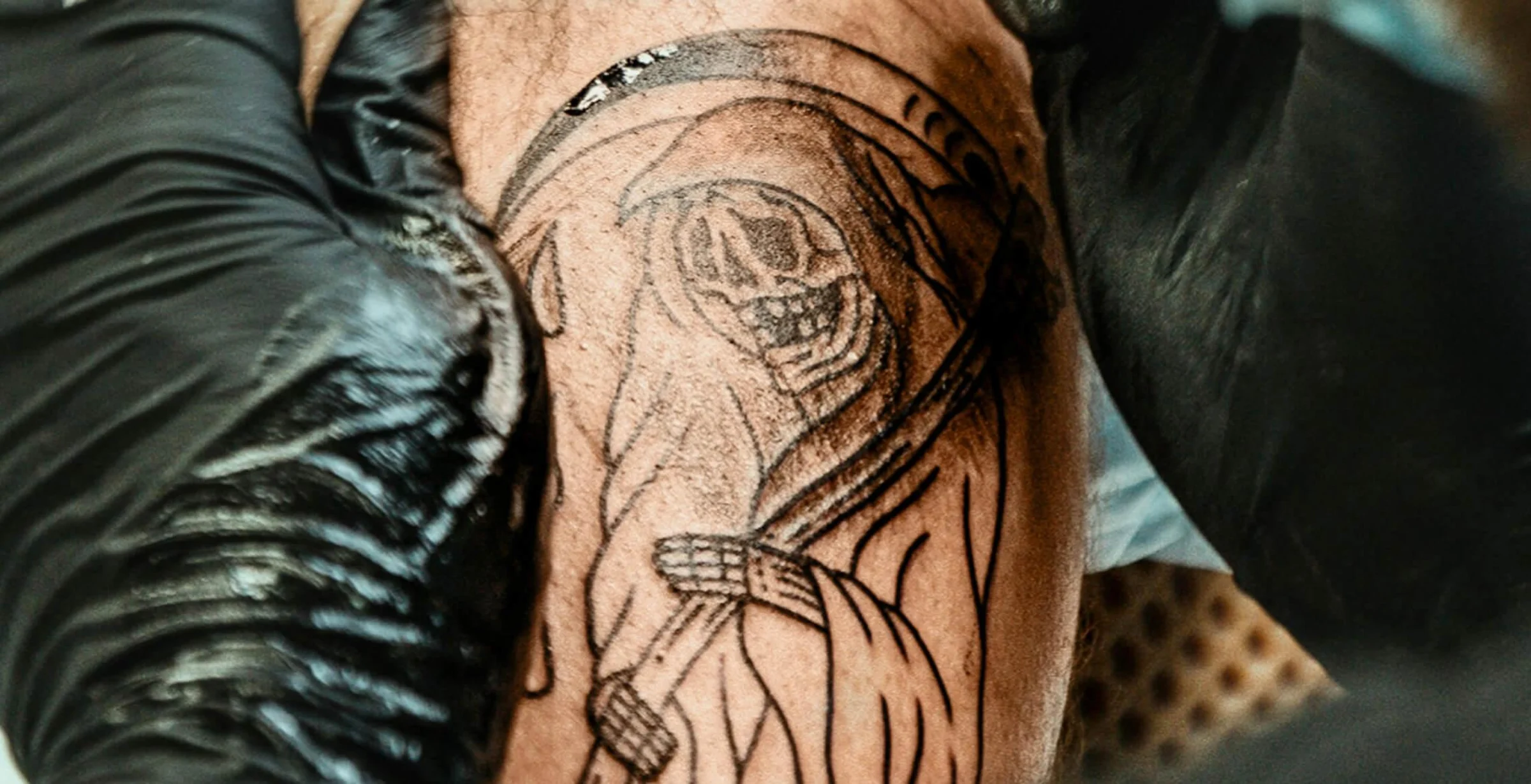
Yes. The area can be completely re-tattooed later.