
In brief
- Pregnancy stretch marks develop when the skin is stretched strongly in a short time; a genetic tendency often plays a role.
- There is no hundred per cent guarantee against stretch marks, but skincare, diet, exercise and slow weight gain can help.
- Daily care with oils or creams and a diet containing vitamin C, vitamin E, zinc and silicon support skin elasticity.
- Stretch marks that have developed can be treated with radiofrequency microneedling or fractional CO₂ laser.
Pregnancy stretch marks, medically known as striae gravidarum, are among the most common skin changes in pregnancy. Even though they are completely natural, many women wish to avoid the typical tears in the skin. Anyone who relies on the right care measures early on can prevent pregnancy stretch marks and strengthen the skin's elasticity in a targeted way.
In this article you will learn how you can best support your skin in order to maintain a beautiful, firm skin appearance during and after pregnancy.
What are pregnancy stretch marks?
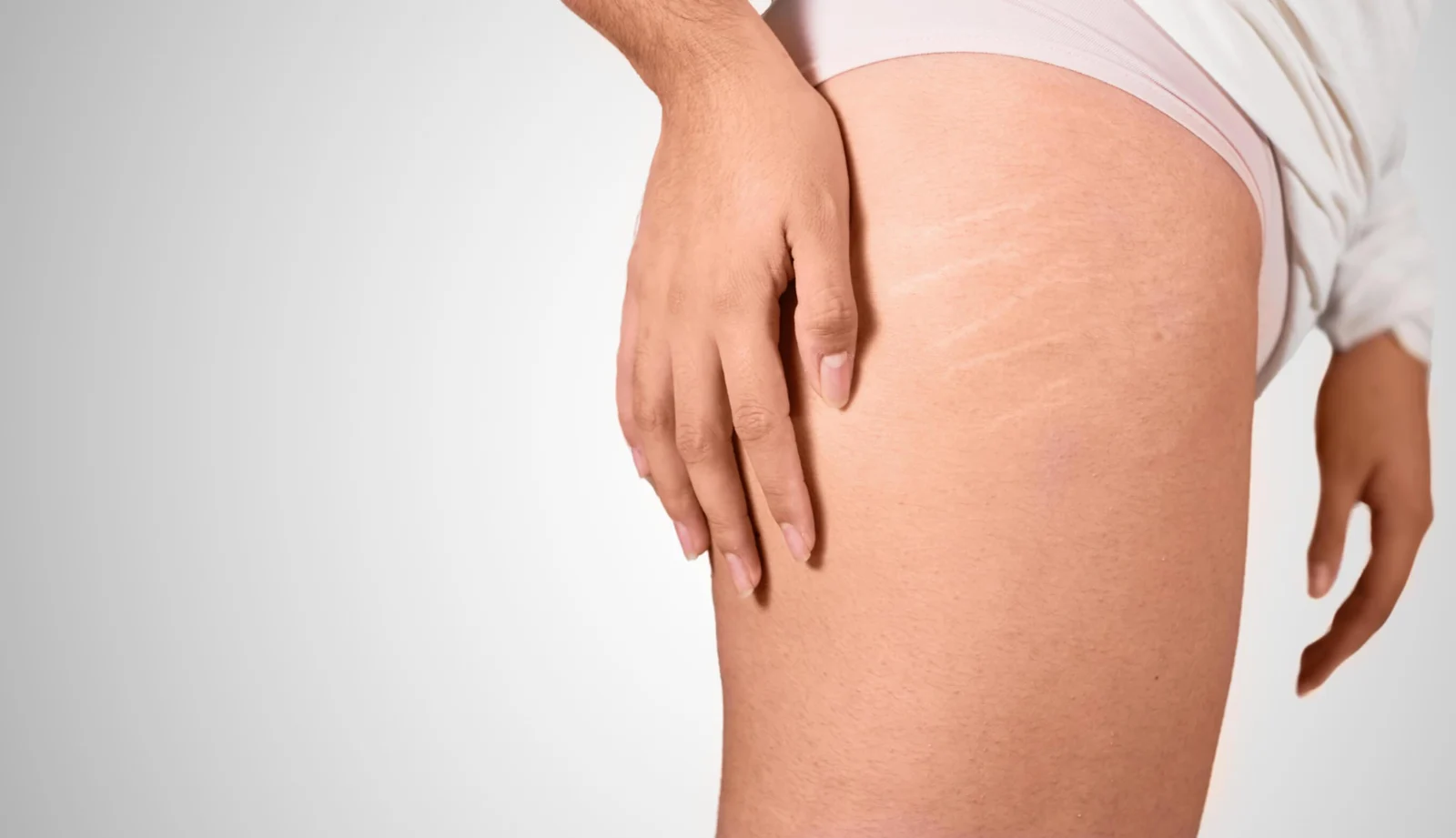
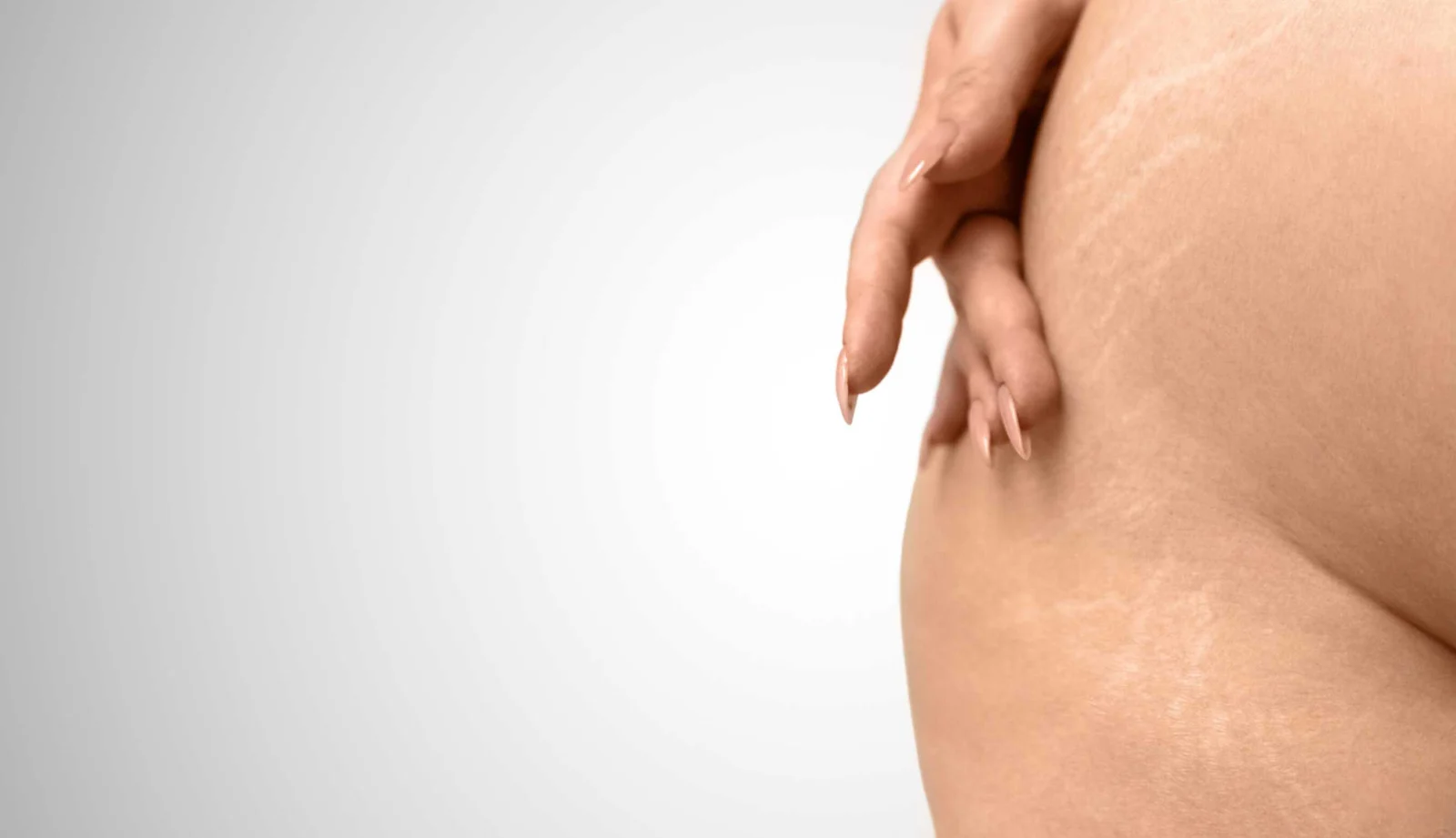
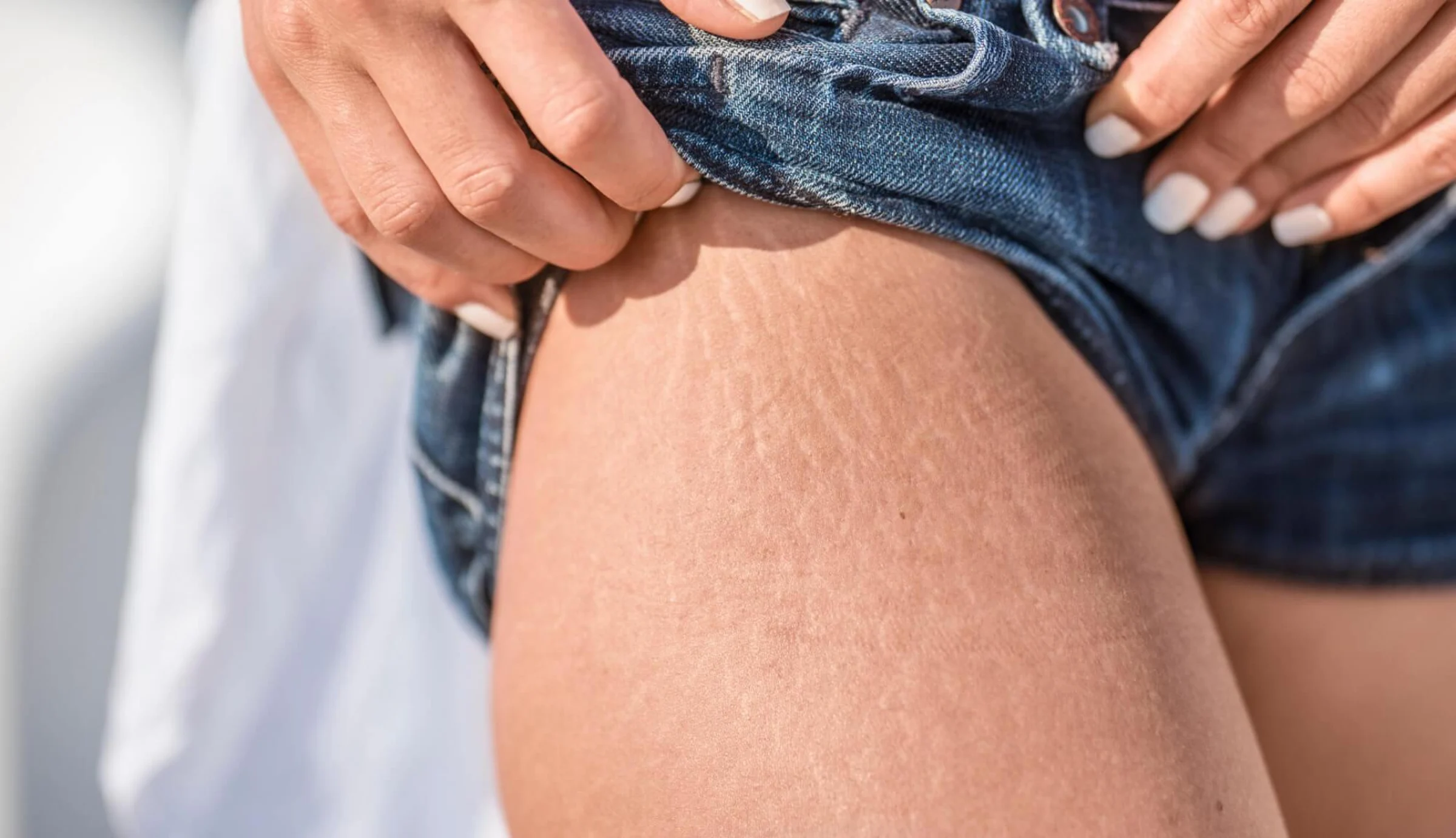
Pregnancy stretch marks develop when the skin is stretched strongly in a short time, for example during pregnancy. The abdomen in particular grows quickly, but the breasts, hips, buttocks and thighs change too.
If the connective tissue is not elastic enough, small tears can occur in the subcutaneous tissue. These initially show as reddish-blue lines and fade over time into fine, silvery-white stripes.
Who is particularly affected?
Not every pregnant woman gets stretch marks. The tendency is often genetic, meaning that if your mother had pregnancy stretch marks, you are more likely to get them too.
In addition, factors such as age, the amount of weight gained and multiple pregnancies play a role. Younger pregnant women even have a higher risk of tears in the skin, as their skin has been stretched less so far.
Preventing pregnancy stretch marks – here's how

Unfortunately there is no 100% guarantee that no stretch marks will develop. But with a combination of the right care, exercise and diet, you can do a lot to keep your skin elastic and help it adapt better to the physical changes.
1. Daily skincare
Anyone who wants to prevent pregnancy stretch marks should care for the skin well every day. A regular care routine with rich oils or creams provides the skin with moisture and supports its elasticity.
Particularly nourishing ingredients include:
- vitamin E
- almond oil
- shea butter
- or hyaluronic acid
Ideally, gently massage them into the abdomen, hips and breasts in the morning and evening. Pinching massages or a gentle brush massage also stimulate circulation and can help strengthen the connective tissue. This can significantly reduce the risk of pregnancy stretch marks.
2. A diet with beauty vitamins
You can also prevent pregnancy stretch marks through diet. What you eat has a direct influence on your skin. Nutrients such as vitamin C, vitamin E, zinc and silicon are particularly important; they promote the formation of collagen and strengthen the connective tissue.
Ideal foods are:
- nuts
- wheat germ
- berries
- green vegetables
- and wholegrain products.
Also make sure you drink enough, ideally water or unsweetened teas. Good fluid intake supports the skin's firmness from within.
3. Exercise and sport
Regular exercise is good for body and soul, especially during pregnancy. It promotes circulation, stimulates the metabolism and helps the skin stay firm. Light activities such as walks, swimming or yoga for pregnant women are ideal for staying fit.
It is best to discuss with your gynaecologist or doctor which forms of exercise are suitable for you personally. Anyone who exercises regularly can also prevent pregnancy stretch marks in a natural way.
4. Keeping an eye on weight gain
In pregnancy, weight gain is completely normal and important for the healthy development of your baby. Nevertheless, make sure that you gain weight as slowly and steadily as possible. This puts less strain on your skin as well.
A balanced diet and regular exercise can support you in this. In this way you not only do yourself good but can also prevent pregnancy stretch marks.
And what if a few stretch marks do appear?
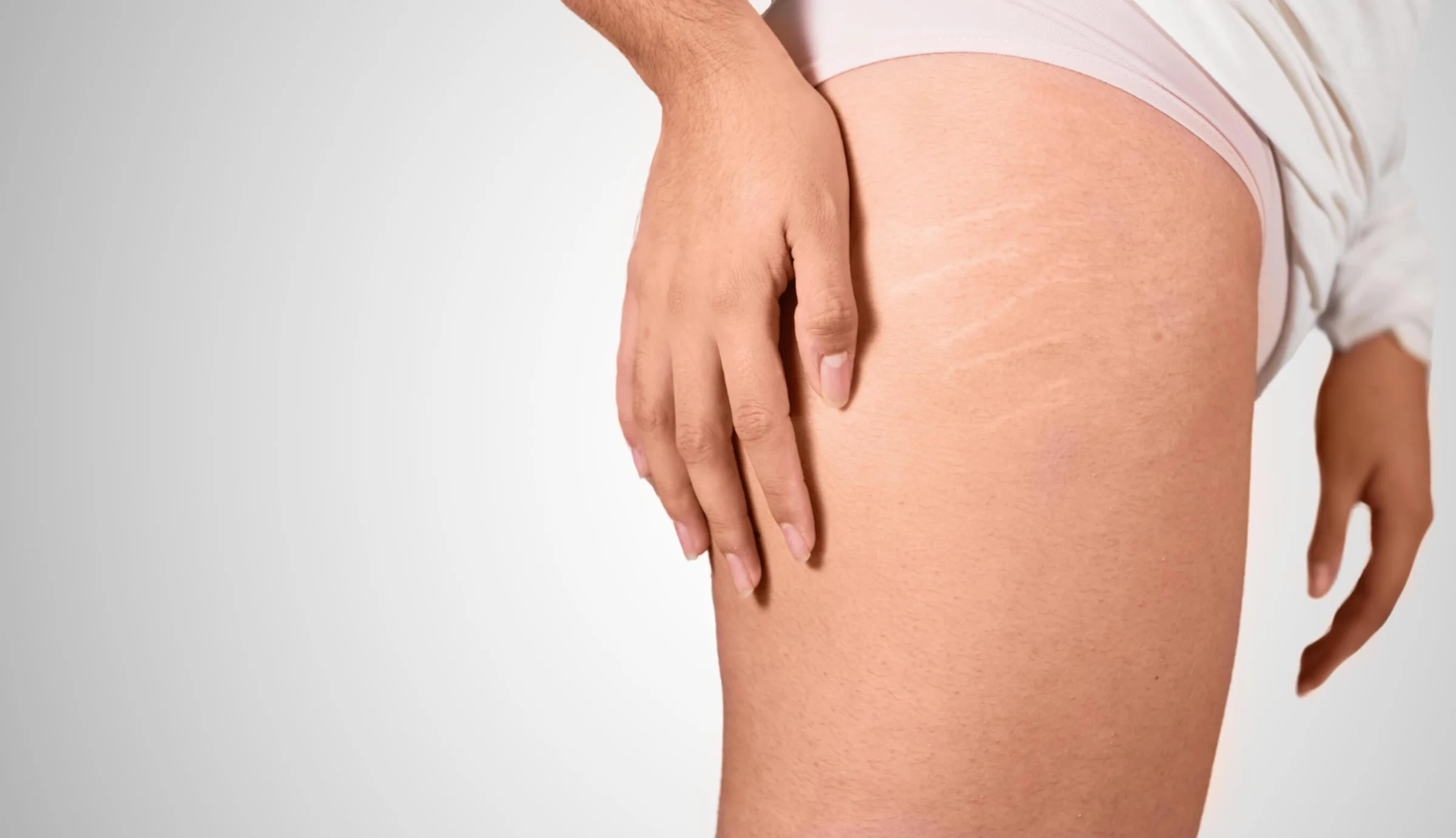
Despite all precautions, it can happen that the skin reaches its limits and pregnancy stretch marks appear. The good news: nowadays there are modern treatment methods with which stretch marks can be visibly improved or even removed completely.
1. Microneedling for stretch marks
Radiofrequency microneedling is a particularly gentle method that works deep in the skin. With the help of very fine microneedles and targeted heat pulses, the body's own collagen production is stimulated.
The skin becomes firmer and smoother and gradually regains more firmness. Many of our patients report a new feeling in their skin and new self-confidence after just a few treatments.
2. CO₂ laser treatment for young skin
Another promising treatment method is the fractional CO₂ laser. Thanks to the laser, we can renew the top layers of skin in a targeted way and stimulate regeneration. That sounds technical, but it is first and foremost an effective way of replacing old skin with new, smoother skin. Of course, the change does not happen overnight. But we accompany you step by step with plenty of experience and sensitivity.
We offer these methods directly at our beauty institute Dermacare Vienna.
Professional, effective and individually tailored to your skin. Which treatment suits you best is something we clarify individually in a personal consultation at Dermacare in Vienna. Because your skin deserves full attention and a solution that really suits it.
Frequently asked questions
Laser treatment of stretch marks is generally well tolerated. A numbing cream is applied before the treatment. During the session, a feeling of warmth or slight burning may occur. The intensity is adjusted to your sensitivity.
Fresh, reddish or purple stretch marks often respond more quickly to laser treatments, as they still have a better blood supply and active remodelling processes. It is therefore worth getting an early assessment. However, older stretch marks can also be significantly reduced.
Yes. Older, pale stretch marks can also be treated. However, white (mature) striae usually need more sessions than fresh, reddish stretch marks. The CO2 laser stimulates new collagen formation even in older tissue and can visibly improve the skin structure.