In brief
- A tattoo over scars is generally possible; the type, age, texture and location of the scar are decisive.
- A scar should be at least one year old and fully healed before it is tattooed.
- Risks include uneven colour distribution and blurring lines, which is why an experienced tattoo artist is important.
- If you are unsure, a dermatological assessment makes sense, with laser or microneedling as preparation if needed.
Have you ever wondered whether you can simply have a tattoo done over scars? Perhaps there is an old injury or surgical scar that bothers you. A memory you would love to make disappear. A tattoo often seems like a creative solution here: instead of constantly seeing the scar, you turn it into something beautiful, personal, perhaps even symbolic.
But is it really that simple? And what should you definitely know before having a scar tattooed over?
Can you tattoo scars?
In principle, yes – a tattoo over scars is possible. However, the type, age and texture of the scar are always decisive. Fresh scars are still changing, the tissue is sensitive and not stable enough to absorb ink evenly. That is why the rule is: a scar should be at least one year old before you think about a tattoo. Only then is it fully healed and its structure has consolidated.
The texture of the scar also plays a major role. Flat, light scars are usually easier to tattoo than raised or uneven ones. With raised scars, so-called hypertrophic or keloid scars, it can be more difficult to get the ink into the skin evenly. In such cases, sensitivity and experience are called for.
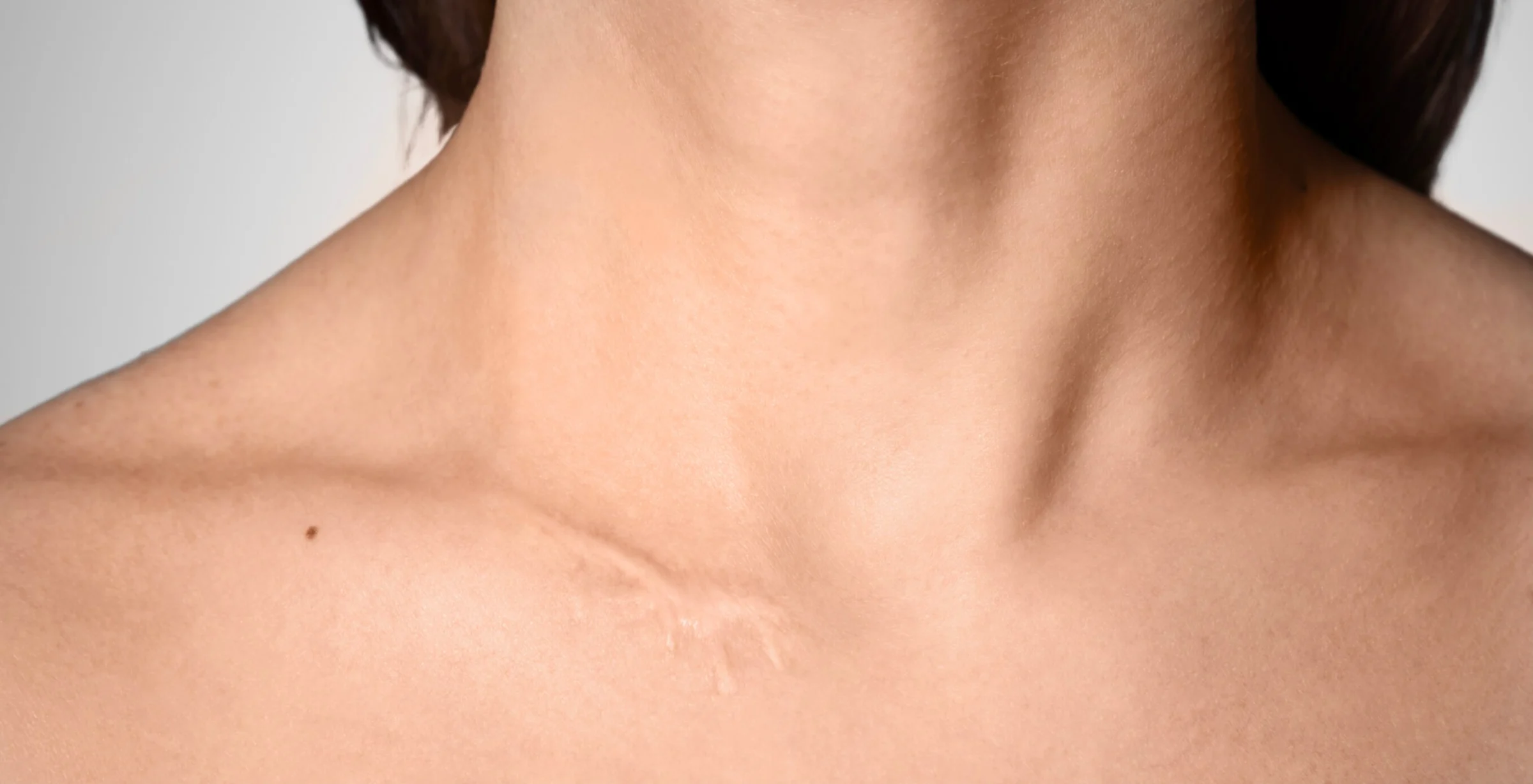
Another important point is the location of the scar. If it is on a part of the body that moves a lot, such as the elbow or the abdomen, the skin can stretch differently during tattooing or later with movement. This can cause lines to distort or the design to look untidy. An experienced tattoo artist takes these circumstances into account when planning the design.
Tattoo design over scars – what works?
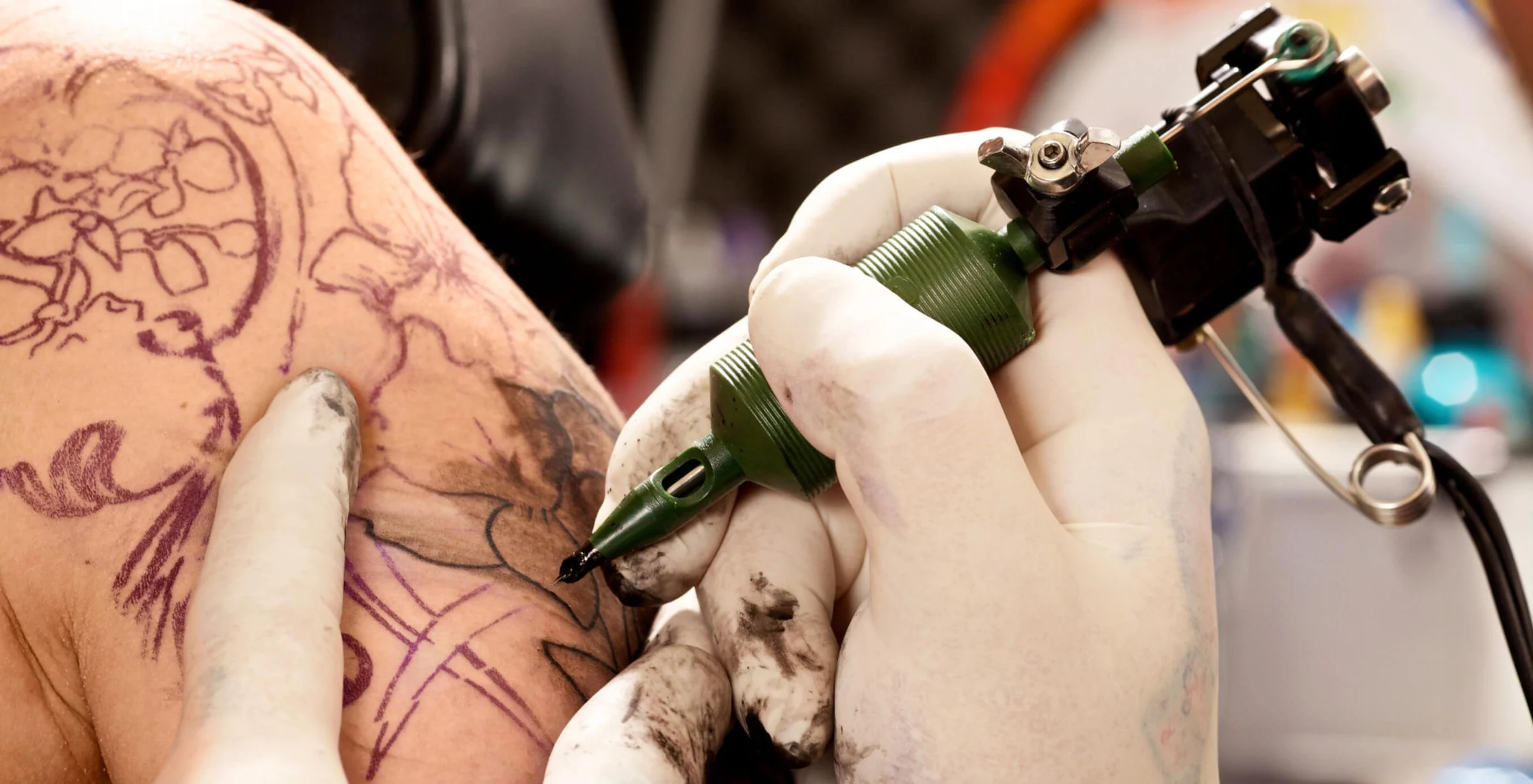
Not every design suits every scar. Especially with larger or irregular scars, delicate, symmetrical or very detailed designs are often difficult to execute. Better suited are dynamic designs with soft shapes, colour gradients or textures that skilfully integrate the scar into the overall picture. This way it is not hidden but harmoniously incorporated.
Many artists also decide not to tattoo directly over the scar but to use it as part of the design, with lines or shading running around it. This elegantly draws the eye away from the scar area without irritating the tissue further.
Is tattooing over scars painful?
Surprisingly, many people find tattooing on scar tissue less painful than on healthy skin. This is because scar tissue often contains fewer nerve endings. In other cases, however, especially with fresh or sensitive scars, the area can react more sensitively. How strongly you feel the pain therefore depends individually on your skin structure and the type of scar.
Risks and healing
A tattoo on scarred skin carries certain risks: the ink can distribute unevenly, lines can blur slightly (“blowouts”), and the result can differ from the surrounding skin. That is why choosing an experienced tattoo artist who knows scarred skin is particularly important.
After tattooing, the skin also needs sufficient time to heal, usually around eight weeks. During this time the tattoo should be well cared for and protected from sun, friction and moisture.
Tattoo over stretch marks or burn scars?
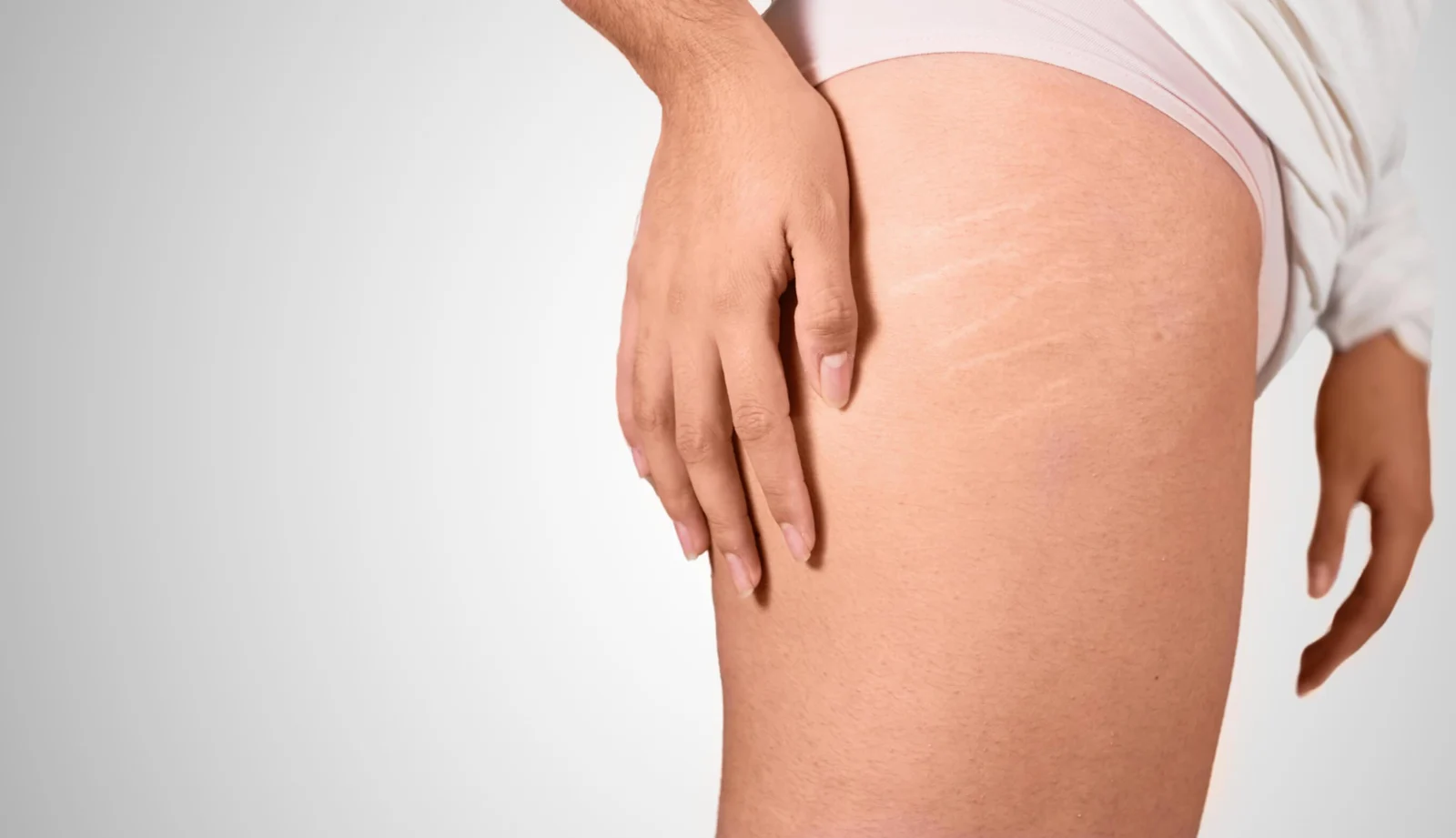
Stretch marks or burn scars can in principle also be tattooed. However, stretch marks are usually thinner and more delicate than normal tissue. There is therefore an increased risk of ink spreading or distributing unevenly. An experienced tattoo artist can often counteract this with special techniques or an adapted choice of needle.
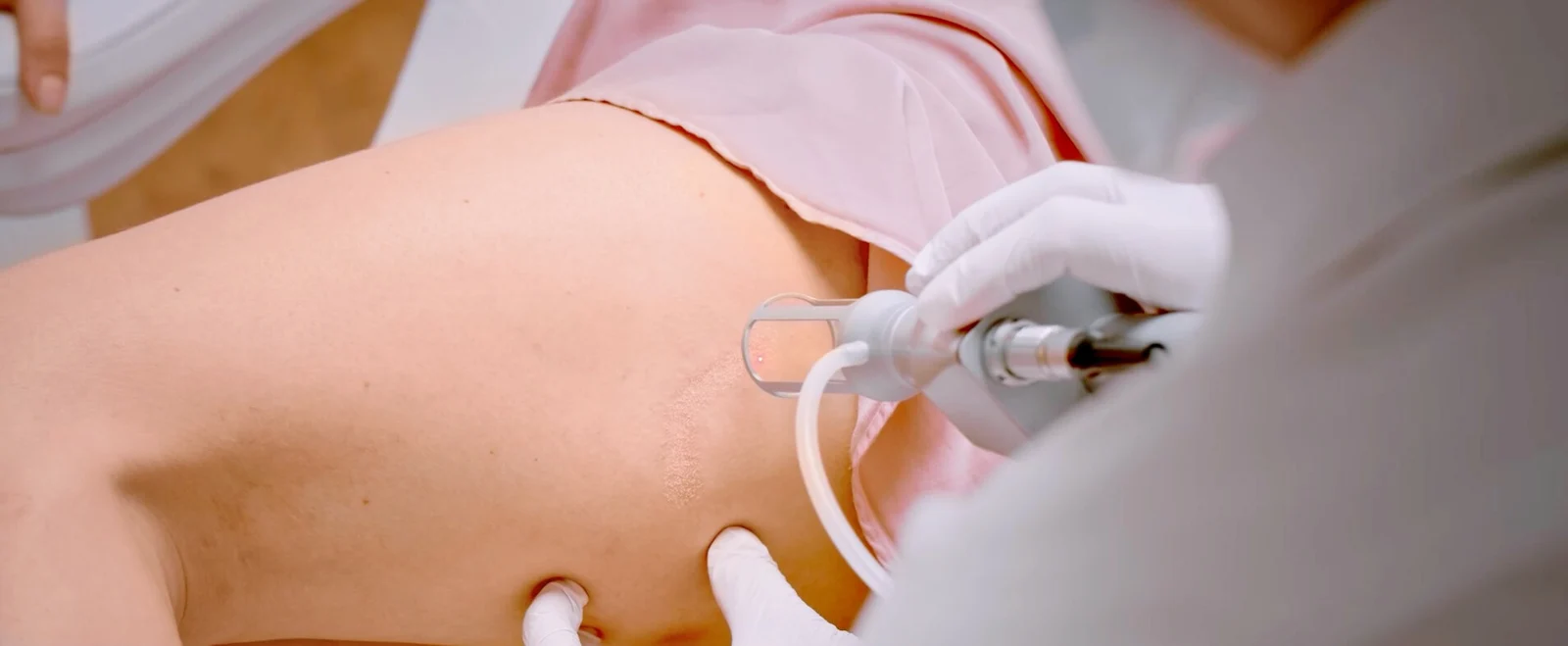
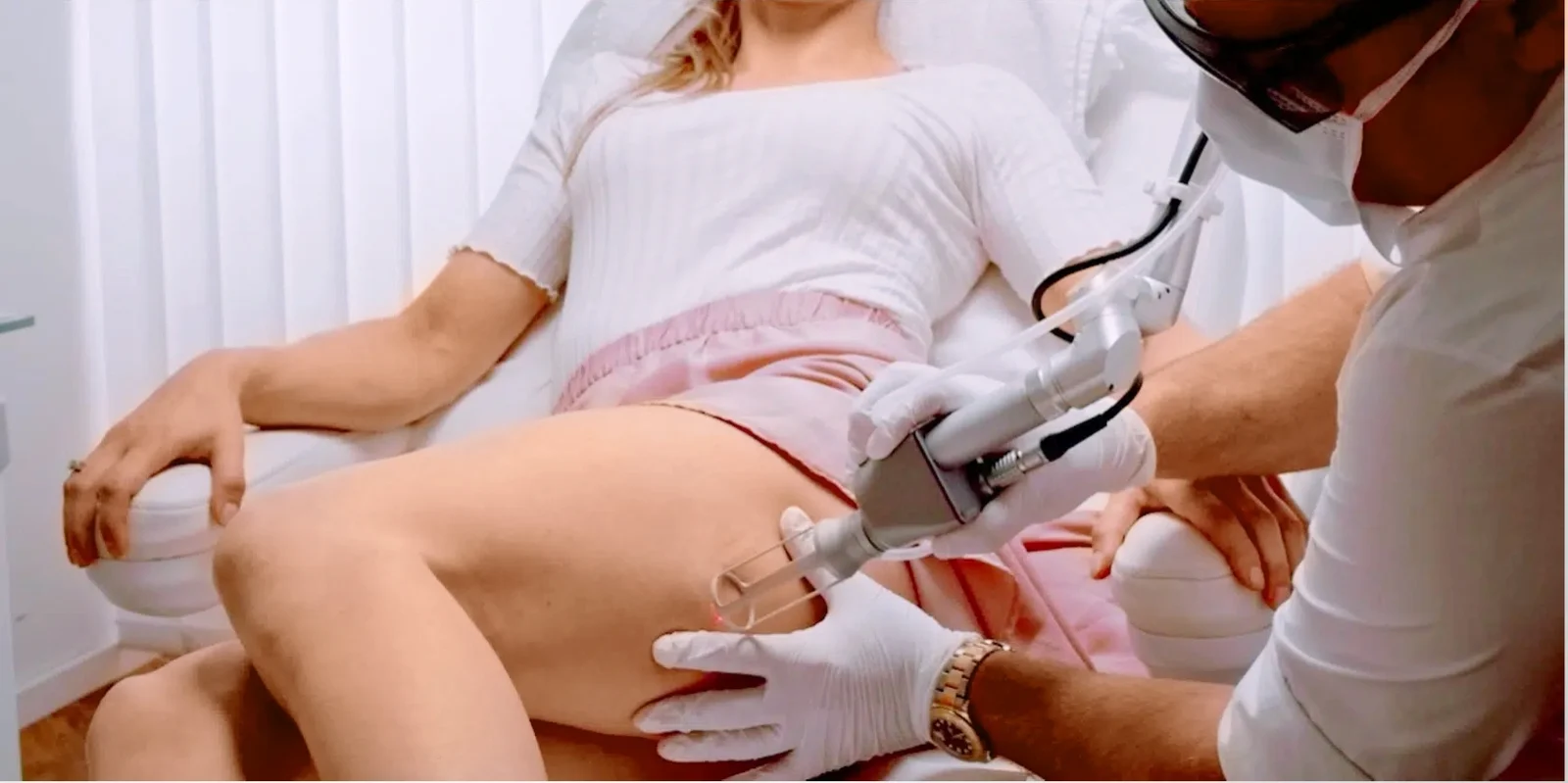
Burn scars, on the other hand, often have an altered surface structure. Here it should be decided individually whether tattooing makes sense or whether scar treatment, for example with microneedling or laser therapy, would be advisable first to improve the skin’s appearance.
When you should seek medical advice first
If you are unsure whether your scar is suitable for a tattoo, it makes sense to get a dermatological assessment beforehand.
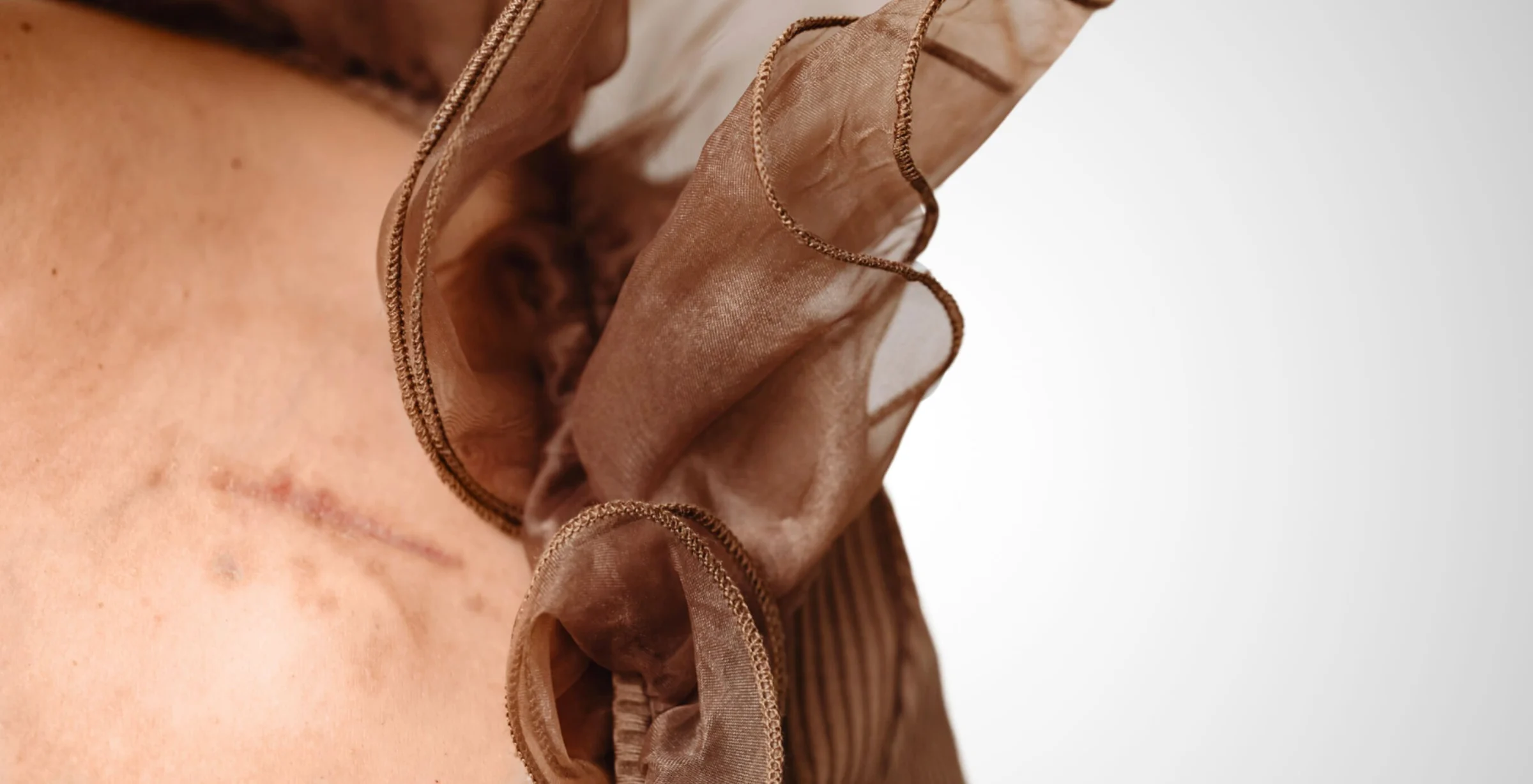
Some scars are not yet fully stable or may react sensitively to the stress of the tattoo needle. A doctor should also always be consulted for scars following operations, burns or skin conditions.
At Dermacare Vienna, experienced specialist doctors advise which treatments to prepare for a tattoo over scars might make sense, for example a laser treatment or medical microneedling to smooth the tissue and improve the skin structure. This way the scar can be optimally prepared for later tattooing or, if you decide against a tattoo, treated directly to reduce it significantly.
Conclusion: a beautiful complexion – with or without a tattoo
A tattoo over scars can be a powerful symbol of self-determination or simply the wish to have beautiful, even skin again. What matters is that you take your time to weigh your options carefully and get professional advice. Every scar is unique and deserves an individual approach.
If you want to improve or remove your scar rather than cover it, Dermacare Vienna offers modern medical solutions for scar treatment and laser therapy. Get detailed advice from our dermatologists and discover the path to a new, smooth complexion.
Frequently asked questions
Yes. The laser works extremely precisely and protects the surrounding tissue while the age spots are lasered away. At Dermacare, every treatment is carried out by experienced specialist doctors.
If you have questions about safety or your skin type, you can contact us at any time.
Fresh, reddish or purple stretch marks often respond more quickly to laser treatments, as they still have a better blood supply and active remodelling processes. It is therefore worth getting an early assessment. However, older stretch marks can also be significantly reduced.